Alana Kinsey
Interview & Photography / Catherine Bernier
In collaboration with Milo & Dexter
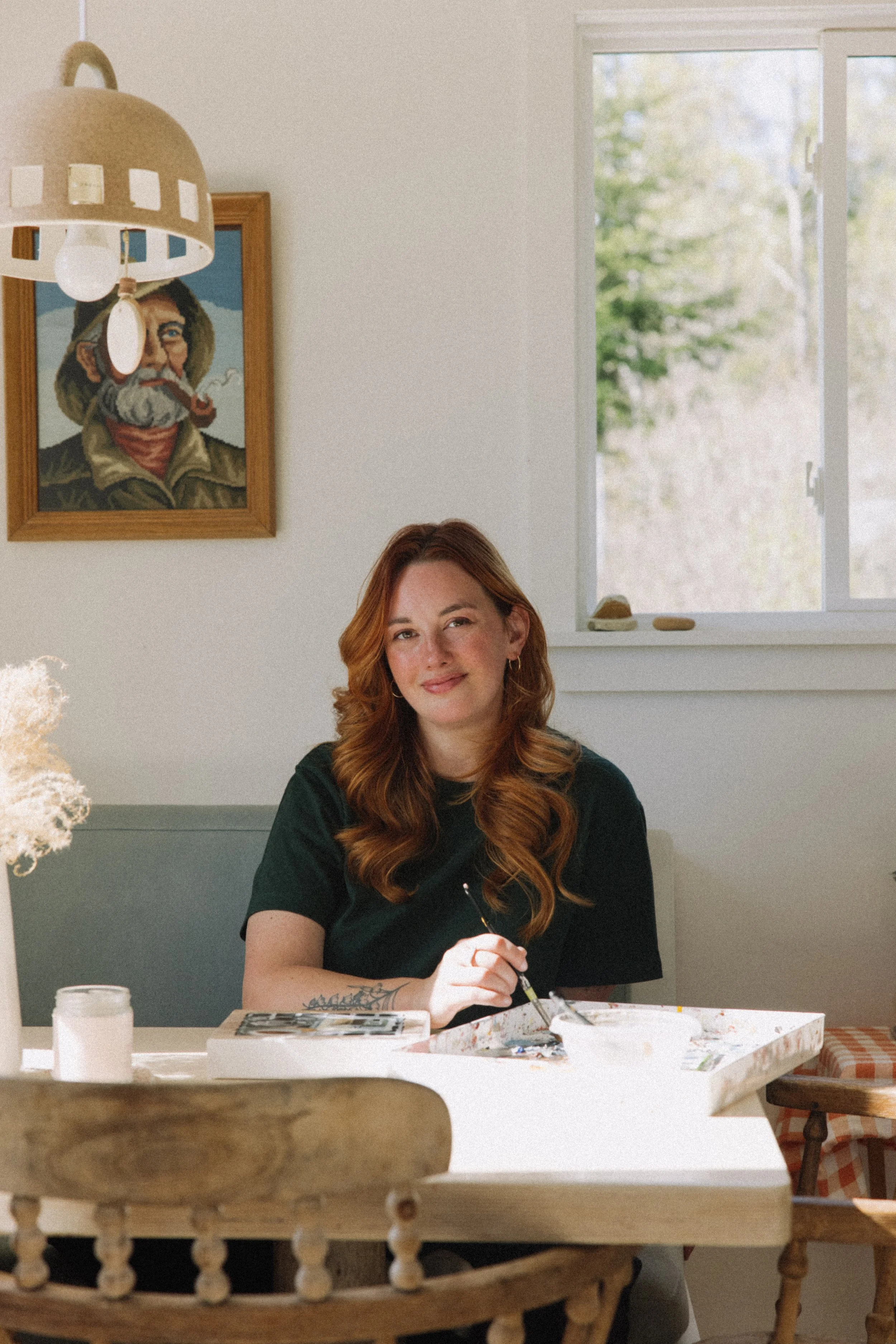
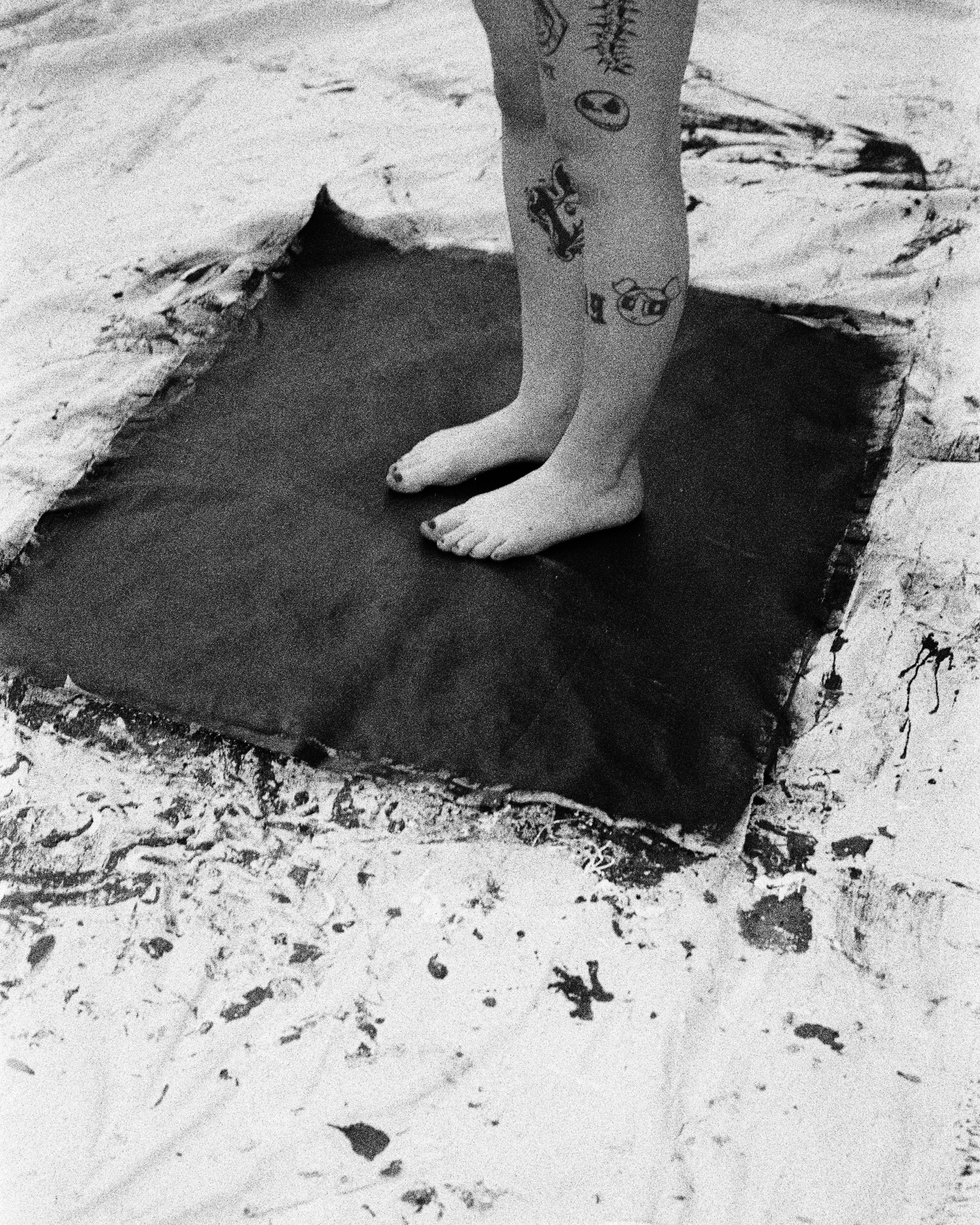
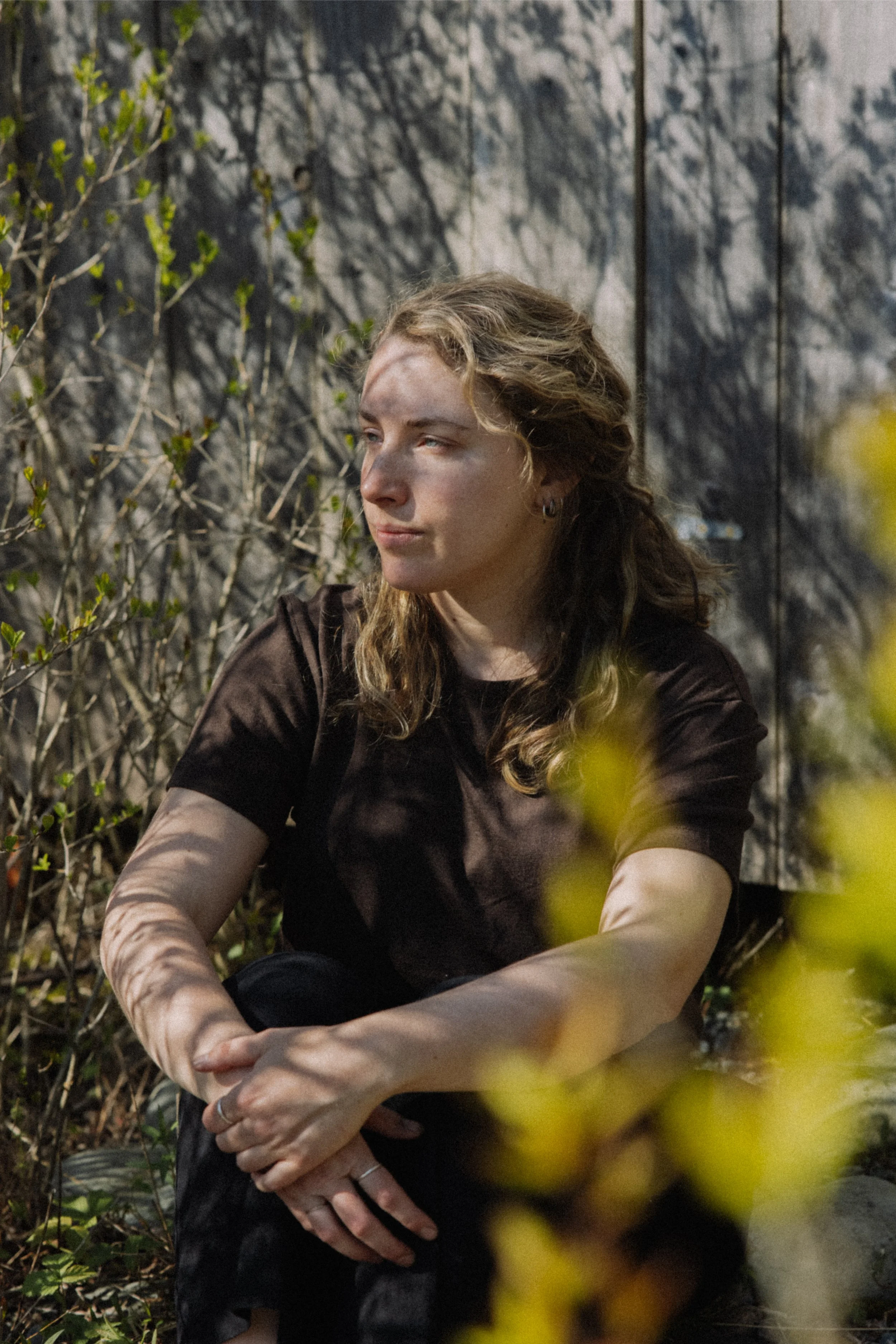
Some artists paint grand landscapes or pivotal moments. Alana Kinsey paints the quiet details that stay with us long after they've passed—the cherished objects on a shelf, a shared meal, the feeling of being somewhere with the people we love.
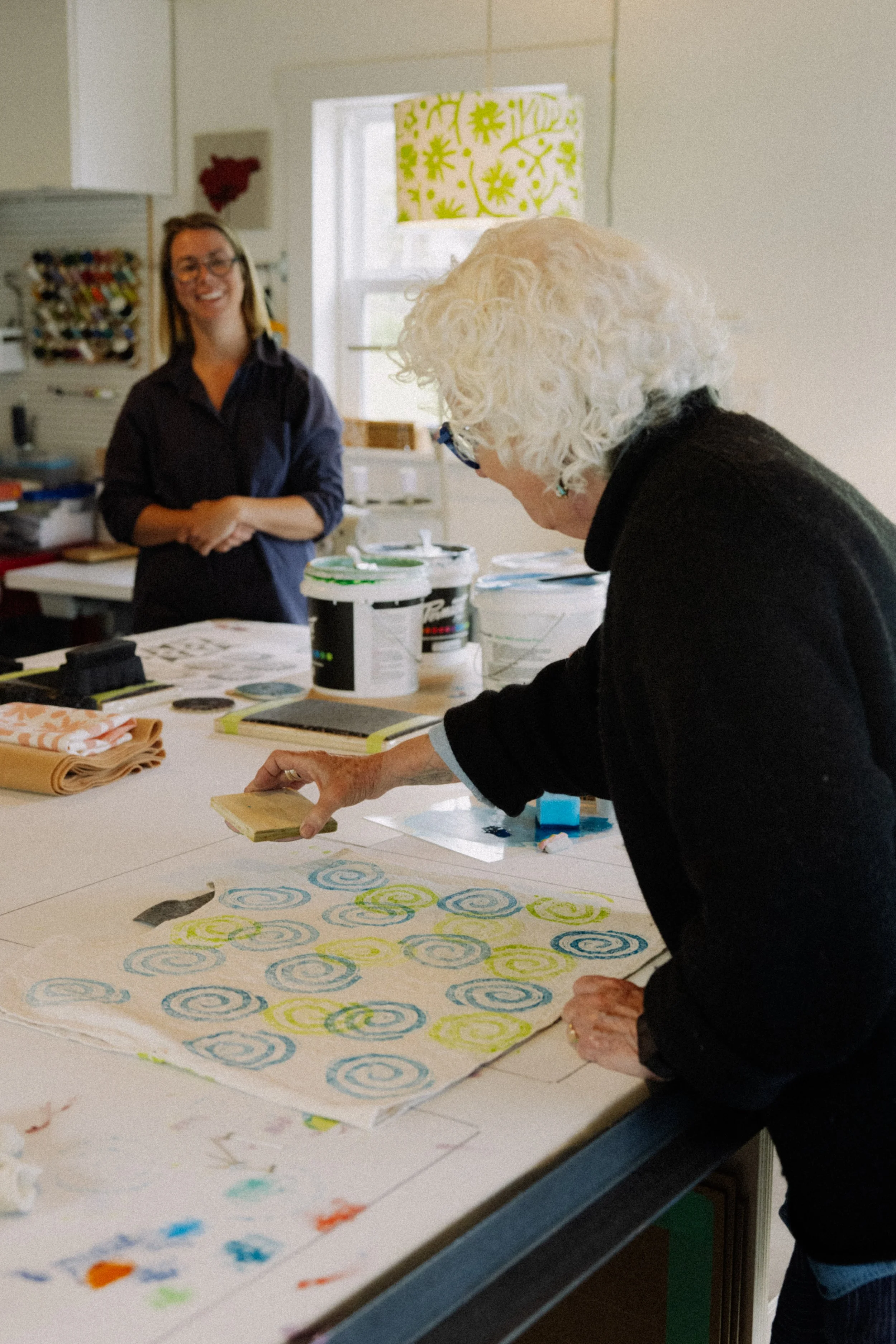
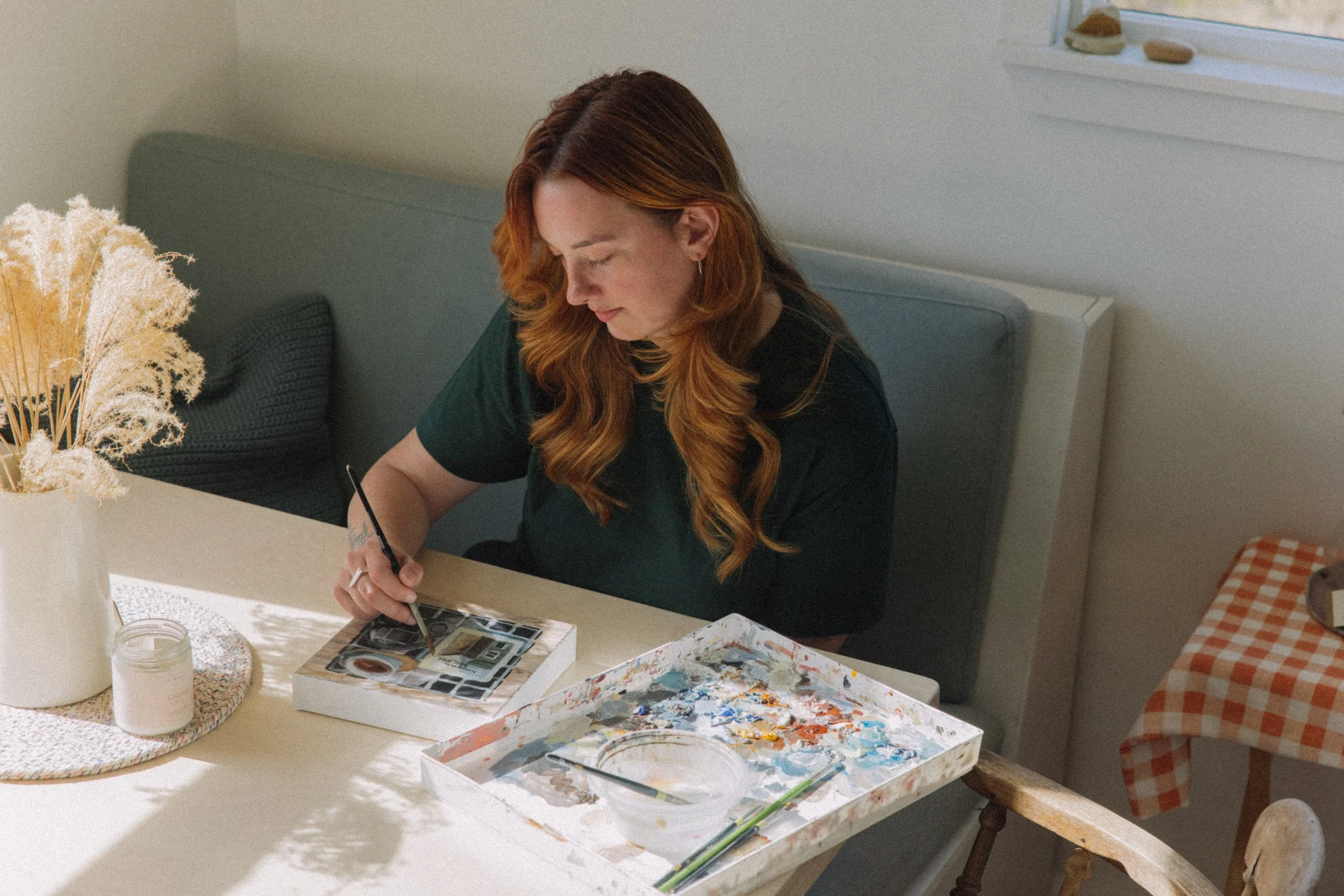
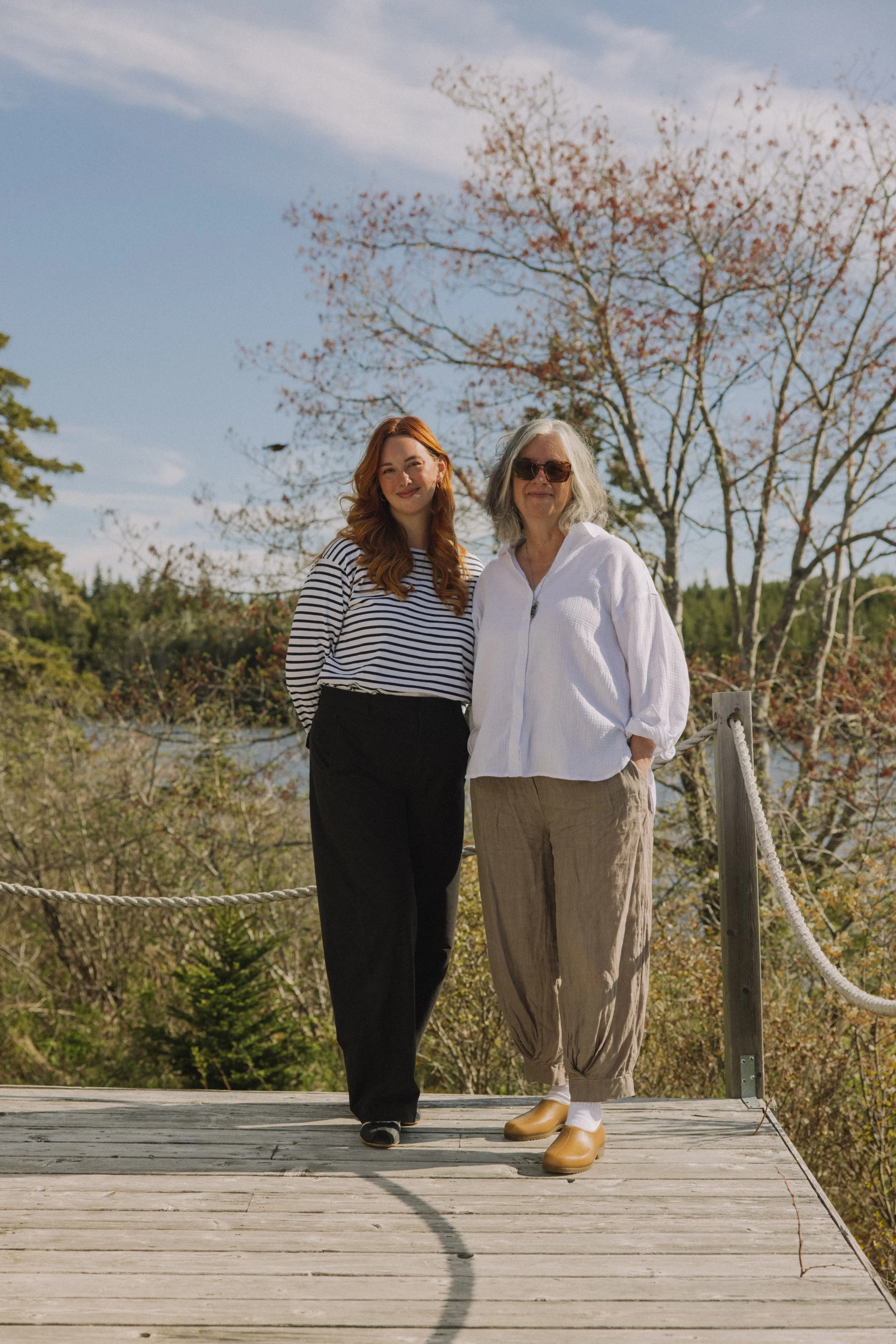
During her residency at The Parcelles in Seaforth, Alana was joined by her mother and artistic mentor, making the experience as much about creating as it was about sharing time together. Between slow mornings, long conversations, and days spent painting, the residency became an extension of her practice—one rooted in memory, nostalgia, and the beauty of ordinary rituals.
Below, Alana reflects on her artistic journey, the influence of everyday life on her work, and how a week by the ocean shaped the paintings she brought home.
How does your cultural background or personal story shape your practice?
I grew up surrounded by art—my mom is a professional oil painter—so it has always been a natural part of my life. I also moved around a lot as a child and was often the new kid, which made me especially sensitive to my surroundings from an early age. I think that constant change is what made me so observant, always wanting to hold on to a moment.
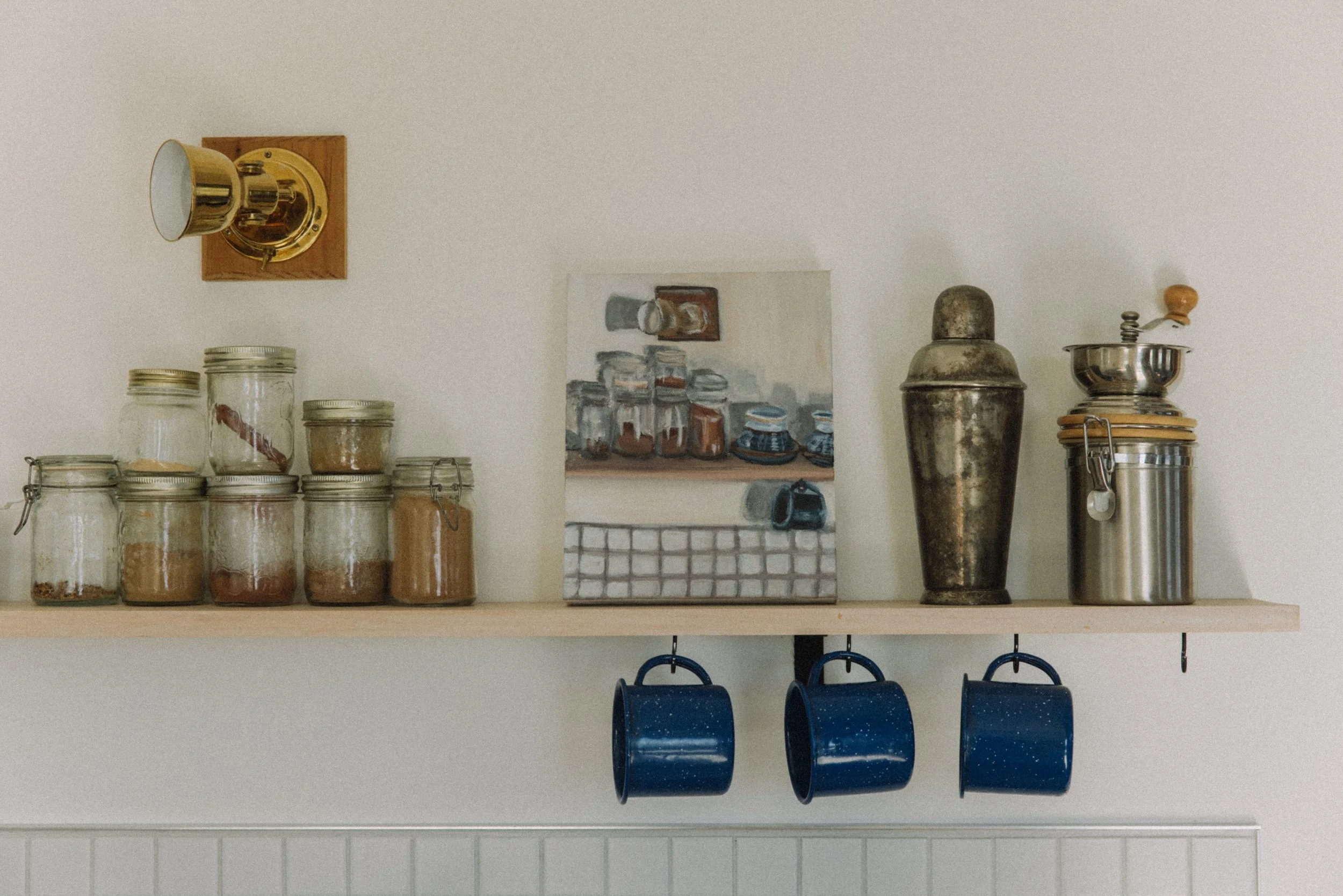
I'm a very sentimental person, and I genuinely believe we should romanticize our everyday lives. There's art and beauty in literally everything. Even my morning ritual of making a cup of coffee feels meaningful and inspiring to me.
My practice is really an extension of that mindset. Creating art is how I hold onto those observations and transform them into something lasting.
What were your intentions for the residency and how did it unfold?
When I first booked the residency, I was going through a really intense personal transition and knew I needed space to step away, reset, and reconnect with myself—both as an artist and as a person. It felt like an opportunity to slow down and return to my practice with intention.
As things unfolded, life shifted again in an unexpected way, and I had the chance to bring my mom with me, which completely transformed the experience. We ended up taking a three-day road trip to the East Coast together—something I'll always cherish. Being able to create alongside her added such a special layer to the residency.
I spent my time painting and documenting our stay, and the work became a way of holding onto those moments while creating new memories with her that I'll carry with me for years to come.
Can you describe a typical day during your residency?
A typical day during the residency began early with the sunrise. I'd make my morning coffee while my mom made her tea, and we'd sit together watching the sun rise over the ocean. Those mornings were slow and intentional. We'd talk about our plans for the day, our intentions as artists, and reflect on everything we were experiencing. I usually started the day with a swim, which felt like a reset before settling into work.
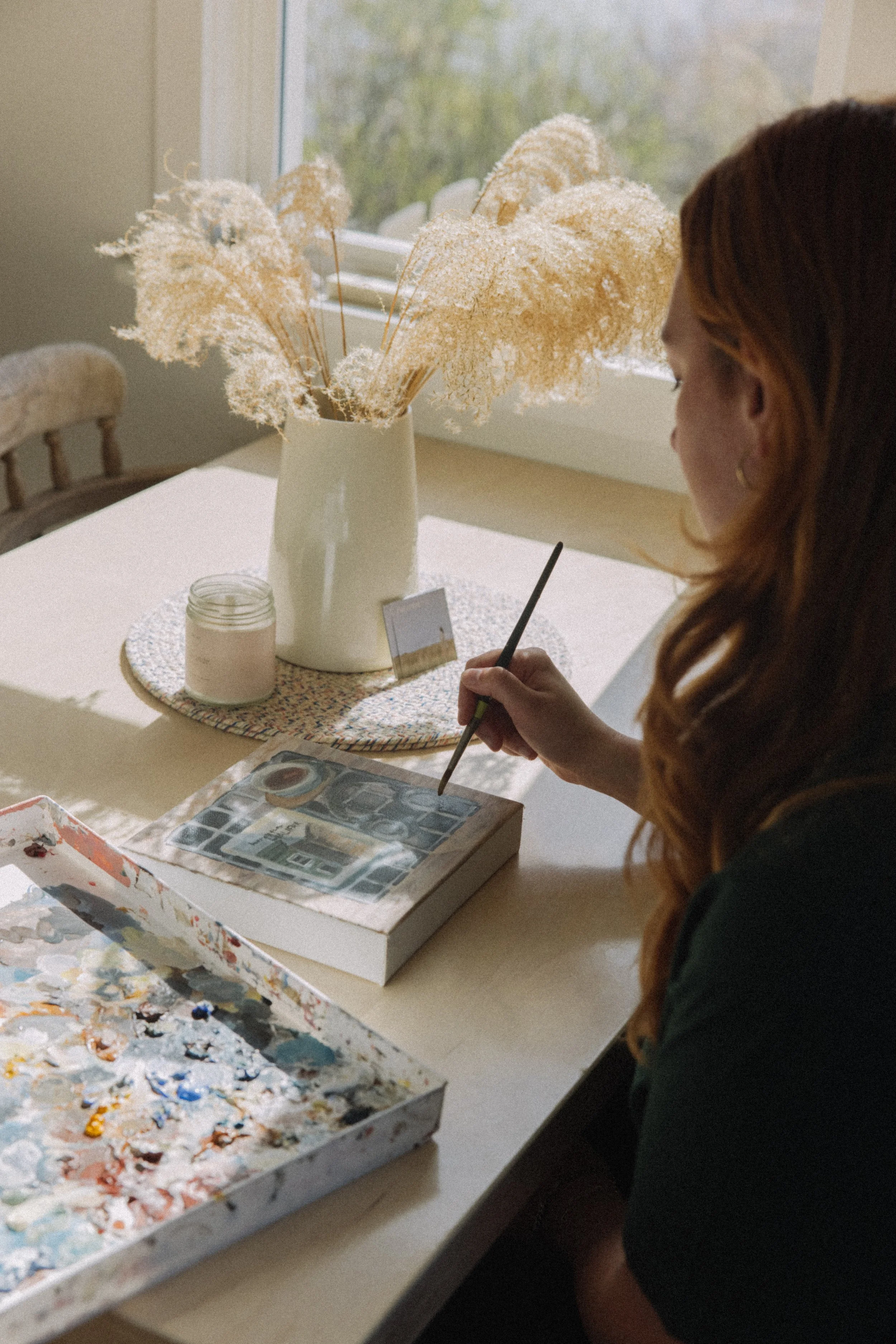
By the time I returned, the cabin would be filled with warm, golden light, and I'd begin painting, responding directly to the space, the shifting atmosphere, and the feeling of being there. In the afternoons, I'd often drive into Halifax for a second coffee and a bit of wandering, taking in the city and gathering more inspiration. Evenings slowed down again: my mom would cook dinner, we'd listen to the radio, and unwind with a good book, often with the sound of the waves in the background.
It felt like a beautifully balanced rhythm between creating, observing, and simply being present.
How has the landscape or atmosphere of Seaforth influenced your creative process?
Being surrounded by the ocean and the quiet, steady rhythm of the place encouraged me to slow down in a way I don't always manage in my day-to-day life. Instead of feeling like I had to rush or constantly produce, I felt more open to simply observe and respond to what was in front of me.
That shift changed the way I approached my work. I became more present with each moment and more intentional about what I chose to paint. The pace of the environment naturally found its way into the work itself—more thoughtful, more reflective, and deeply rooted in the experience of simply being there.
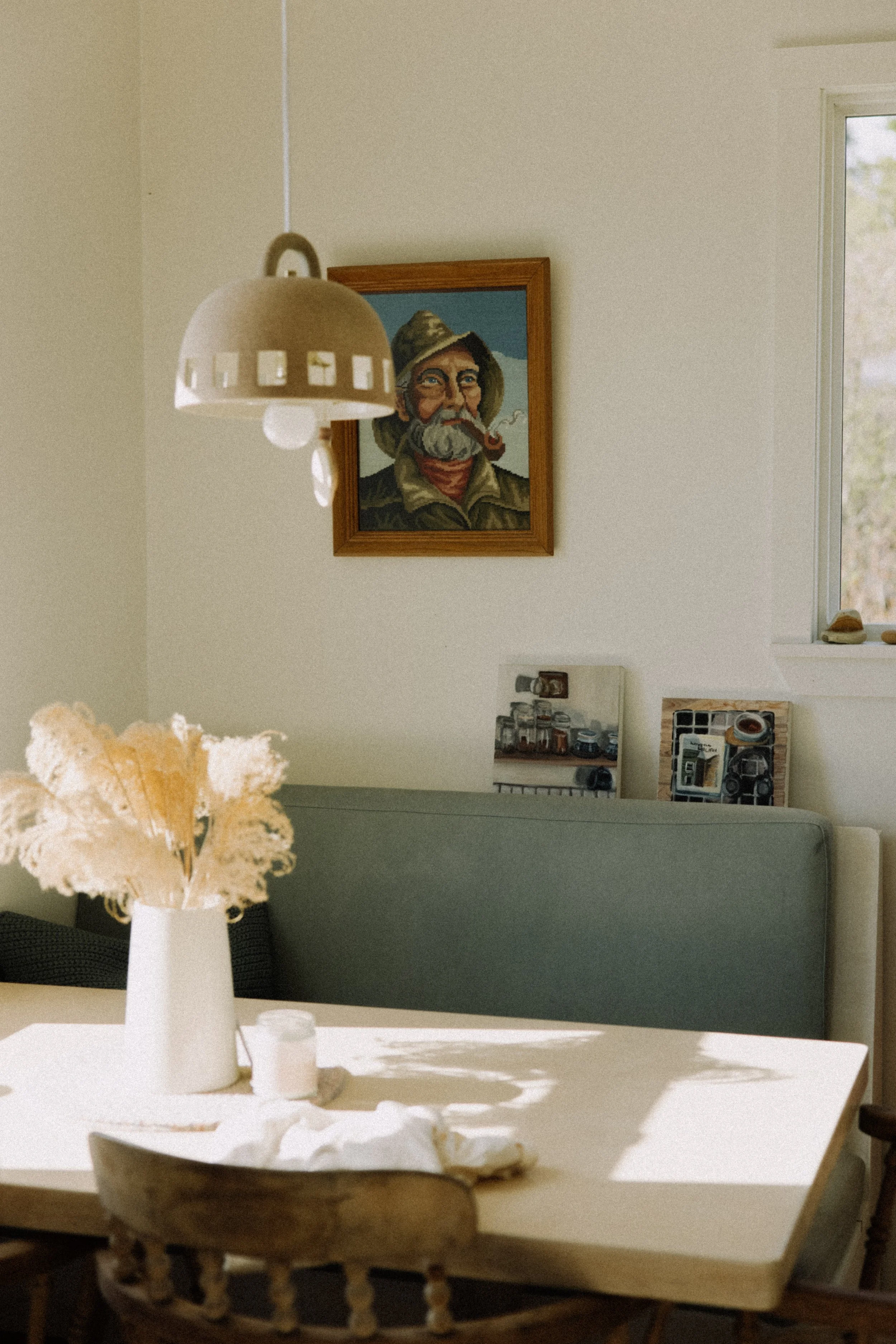
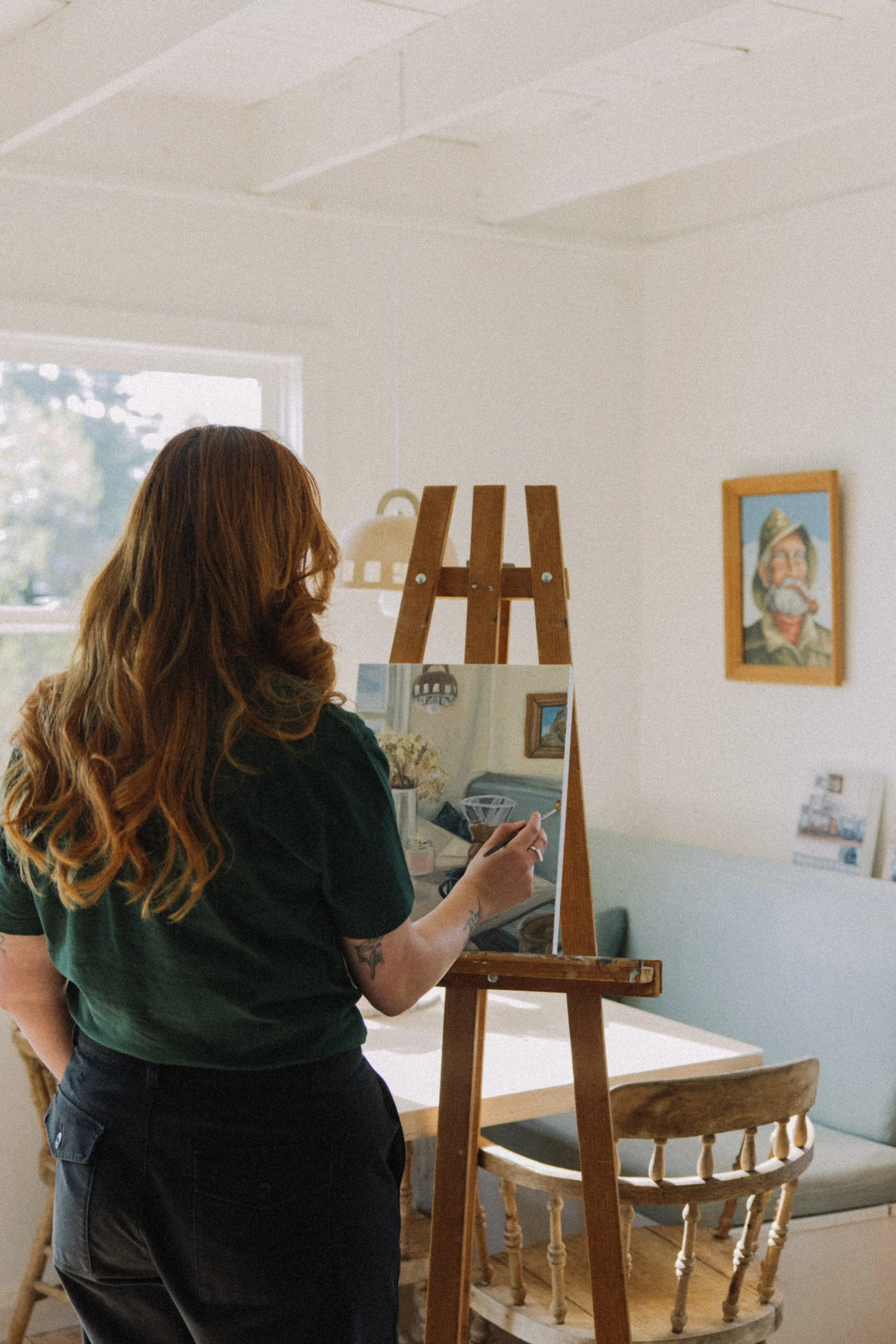
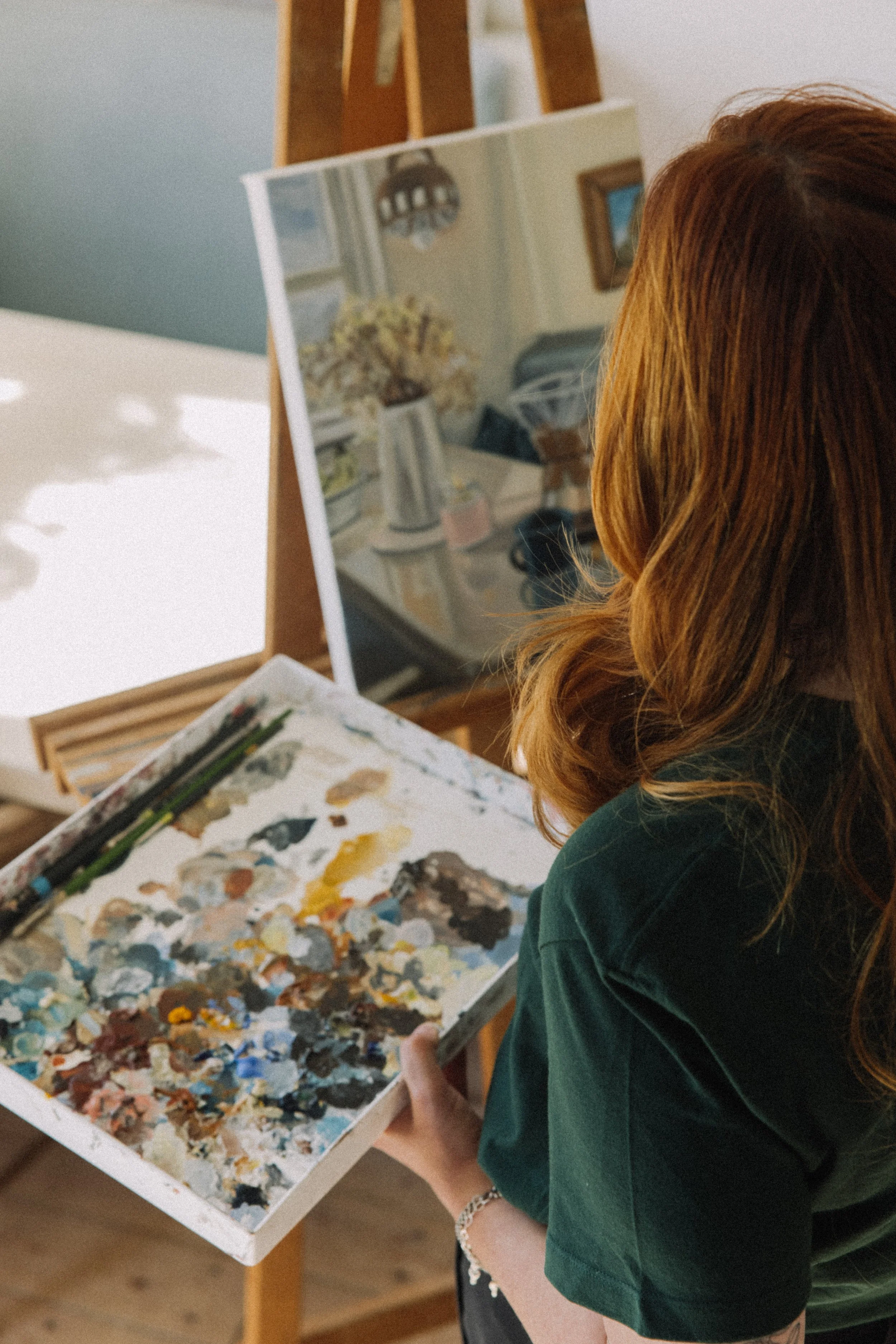
“Much of my work comes from observing and romanticizing ordinary moments, and I think that creates space for connection. Someone might recognize a feeling in a painting even if they've never been in that exact place or situation. That sense of familiarity or nostalgia is universal.”
-Alana
What has challenged you most during this residency?
The most challenging part of the residency was the solitude. Being in such a quiet, remote setting stripped away many of the usual distractions, which felt uncomfortable at times. It really forced me to sit with myself and stay grounded in the reason I was there—to create.
Once I settled into that, though, the solitude shifted from something challenging into something deeply productive and clarifying for my practice.
How do you see art as a bridge between people, cultures, or generations?
It communicates things that words often can't. For me, it's rooted in shared human experiences—memory, food, home, travel, and everyday rituals. These are things most people can relate to, even if the details of our lives are very different.
Much of my work comes from observation and from romanticizing everyday moments, and I think that opens the door to connection. Someone might recognize a feeling in a painting even if they've never been in that exact place or situation. That sense of familiarity or nostalgia is universal.
In that way, I don't see my work as something separate from people's lives, but rather as a reflection of them. It becomes a space where different experiences can overlap and where people can feel seen through something as simple as a shared moment or a familiar object.
Have you found inspiration in conversations or encounters with locals?
Yes, definitely! My solo day trips into Halifax and Dartmouth became an important source of inspiration during the residency. I'd often wander into cafés or simply spend time walking around, observing people and taking in the rhythm of daily life. There was something about the slower pace, the easygoing energy, and the overall sense of optimism that really stayed with me.
I was especially drawn to small, everyday moments: a group of friends sharing beers on a patio after shopping, or people sitting on their front lawns soaking up the first warm days of spring. Those kinds of scenes reinforced what I'm always trying to capture in my work—the beauty of ordinary life when you slow down enough to truly notice it.
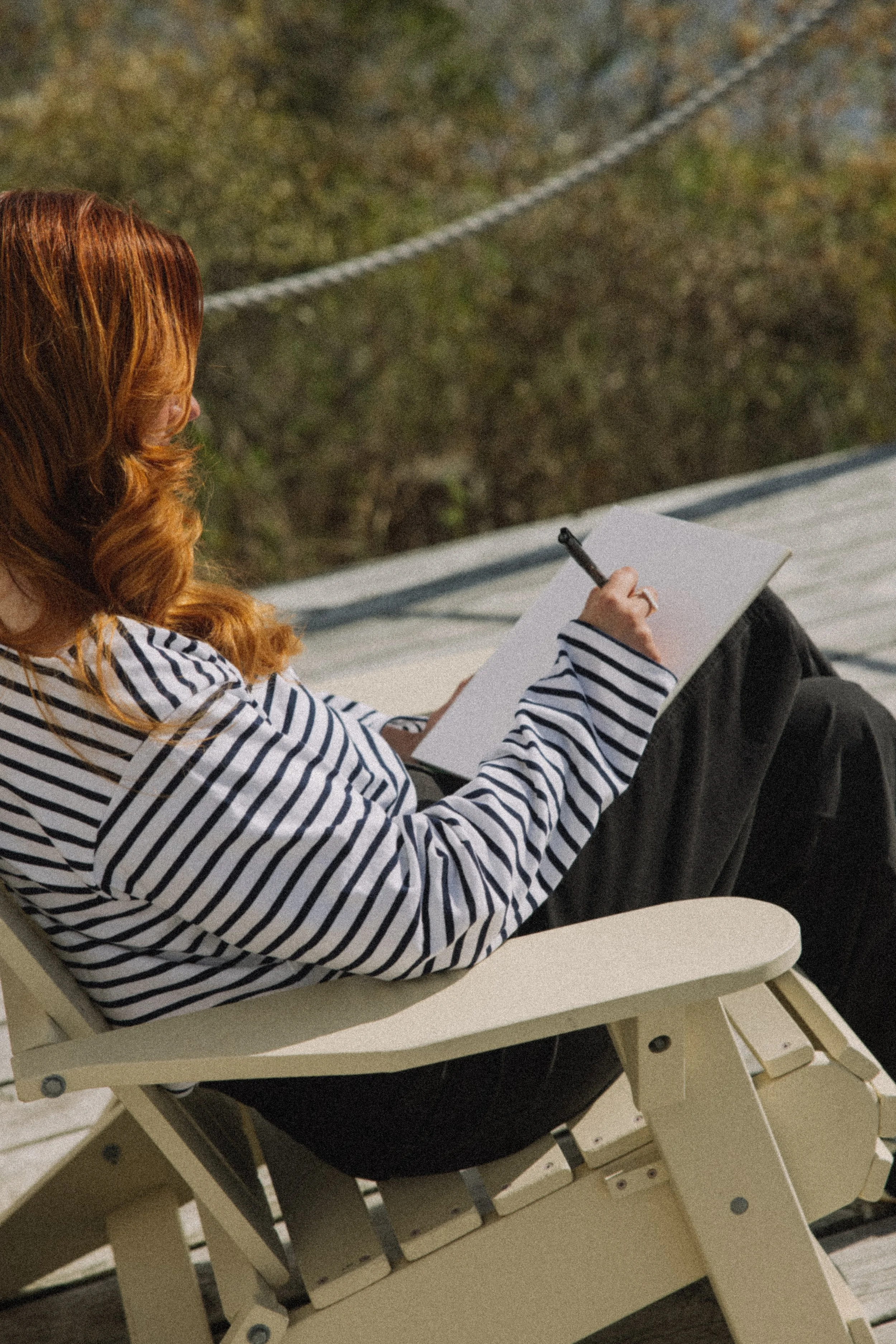
Has this residency shifted something in the way you see your own practice or future projects?
This residency really shifted the way I think about my practice, especially in terms of pace and presence. The slower rhythm and deeper connection to my surroundings reminded me how important it is to give myself the space to truly observe and absorb what's around me, rather than rushing through it.
It's also beginning to shape what comes next. Without giving too much away, my next series is emerging as a reflection on a summer of ease—a return to the essentials and a more analogue, intentional way of living. This residency reinforced that direction and gave me a clearer sense of how I want to continue building on it.
What’s a small, personal memory from your time here that you’ll bring back home with you?
One of the moments I know I'll always carry with me is a foggy day spent in the cabin with my mom. We stayed in, read, drank plenty of coffee, and drifted in and out of naps while the world outside felt completely still. There was something deeply comforting about that slowness and quiet—simply being together without needing to do much at all.
It was simple in the best possible way, and it's a memory that perfectly captures the spirit of the residency for me.
What role do you think residencies like The Parcelles play in supporting artists today?
Residencies like The Parcelles play such an important role in supporting artists because they create the kind of space that's hard to find in everyday life. For me, it felt like a safe haven—a place to step away from distraction and noise and simply be with my work. That kind of solitude is rare and incredibly valuable. It allows you to reconnect with your practice in a deeper, more intentional way.
At the same time, that quiet creates room for endless inspiration. When you're fully immersed in a place and its rhythm, you begin to notice everything differently, and that naturally finds its way into the work. I think residencies like this don't just support the creation of art—they encourage artists to slow down, observe more closely, and ultimately grow as both artists and people.
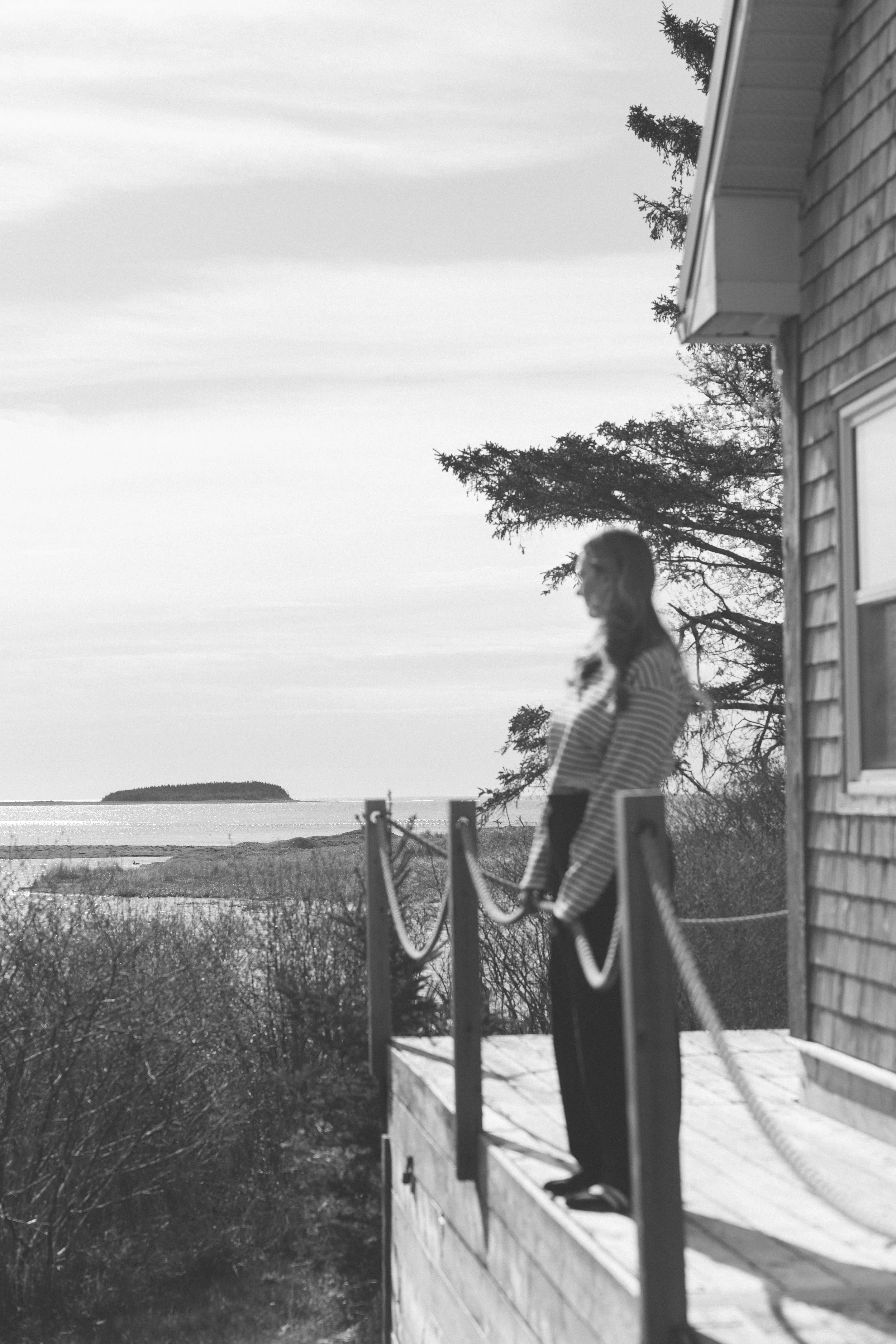
As Alana returned home with a new body of work, she also carried something less tangible: a renewed sense of presence, a deeper trust in the creative process, and memories shaped by shared time, quiet rituals, and the Atlantic landscape. We look forward to following where her practice leads next.
Follow Alana Kinsey / @alanakinseyart
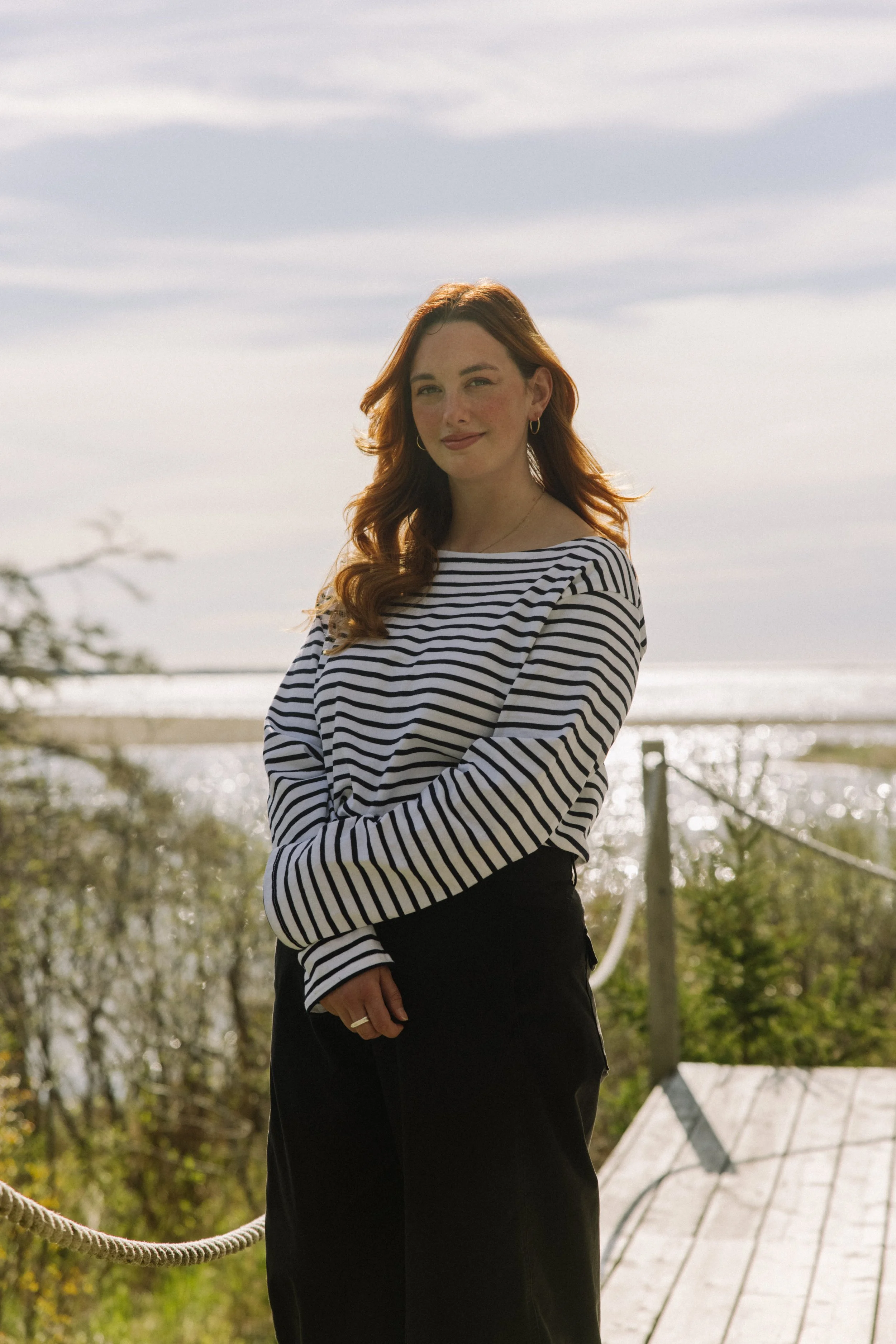
Portraits by Catherine Bernier / @cath.be
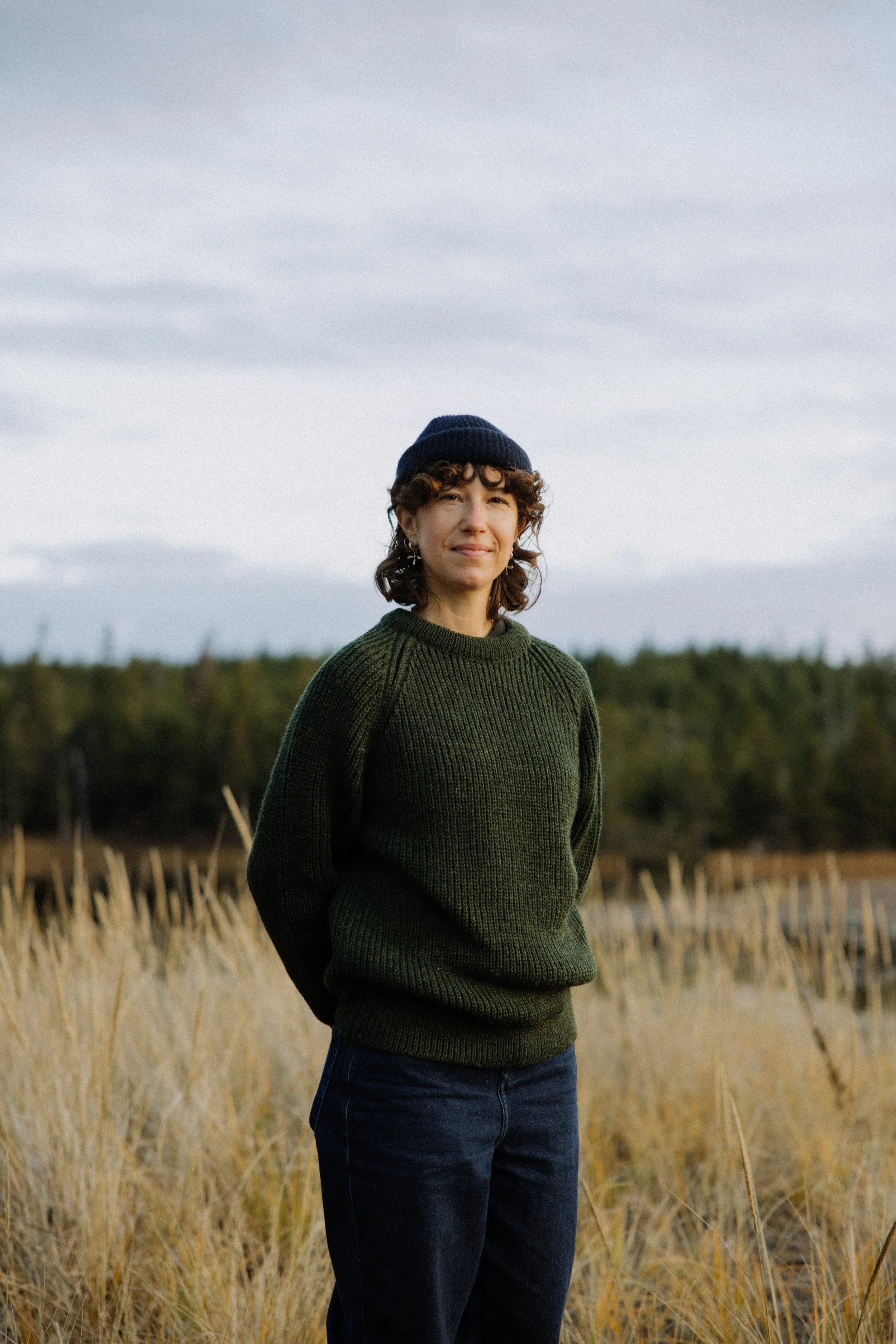
Canadian Wool Sweater by Milo & Dexter / @miloanddexter