Lawrence Moon
Interview by Catherine Bernier
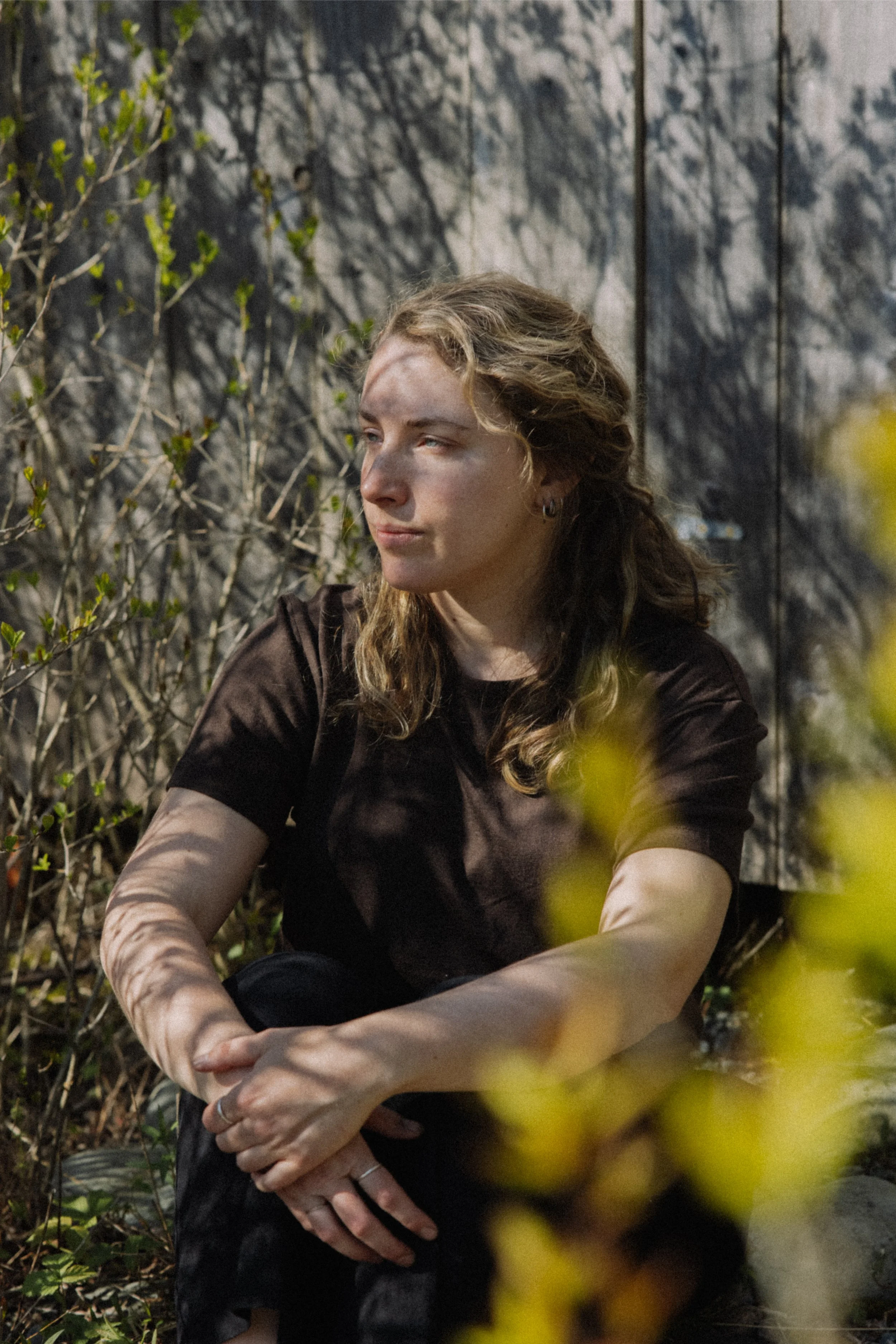
Photography by Jean-Christophe Yelle
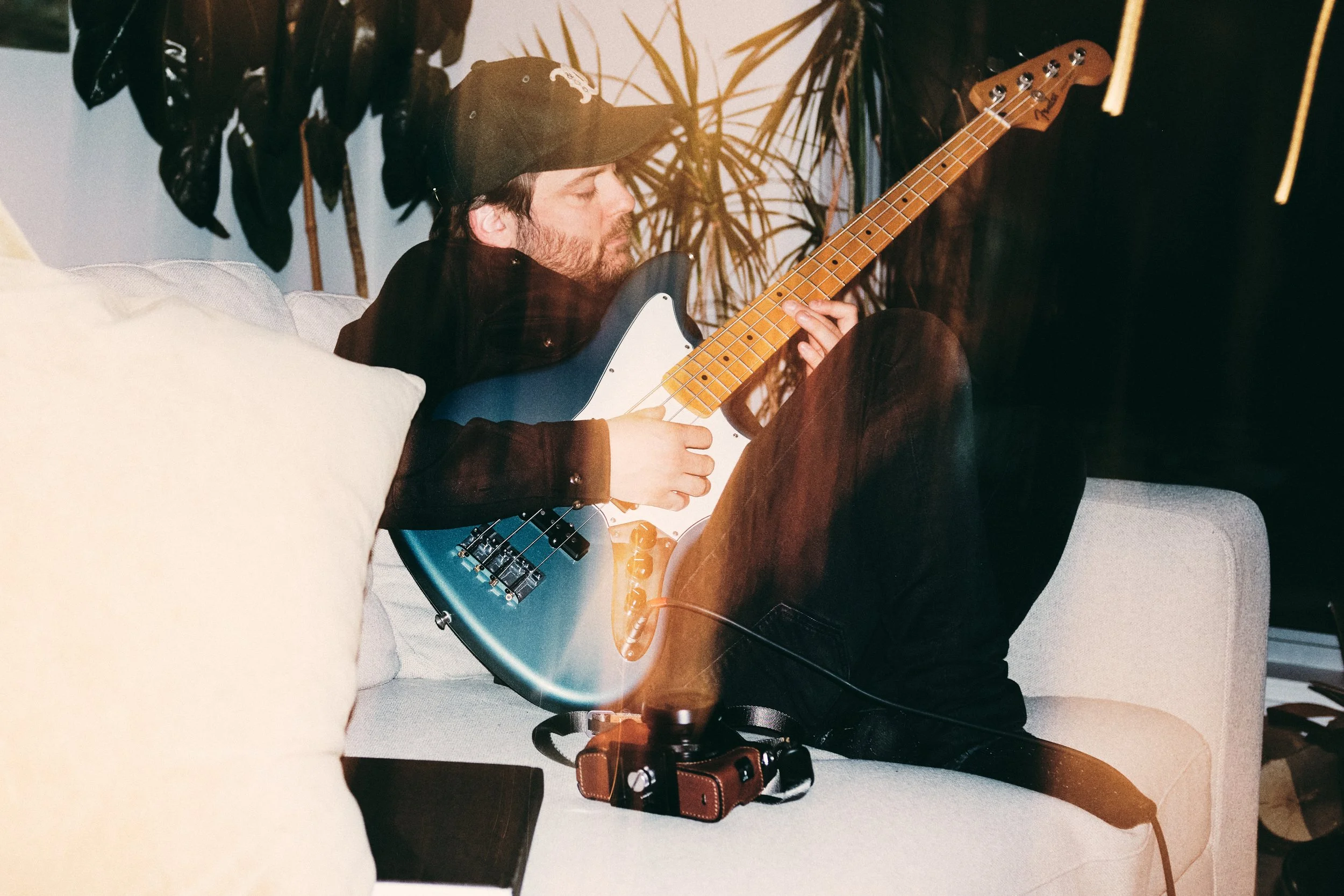
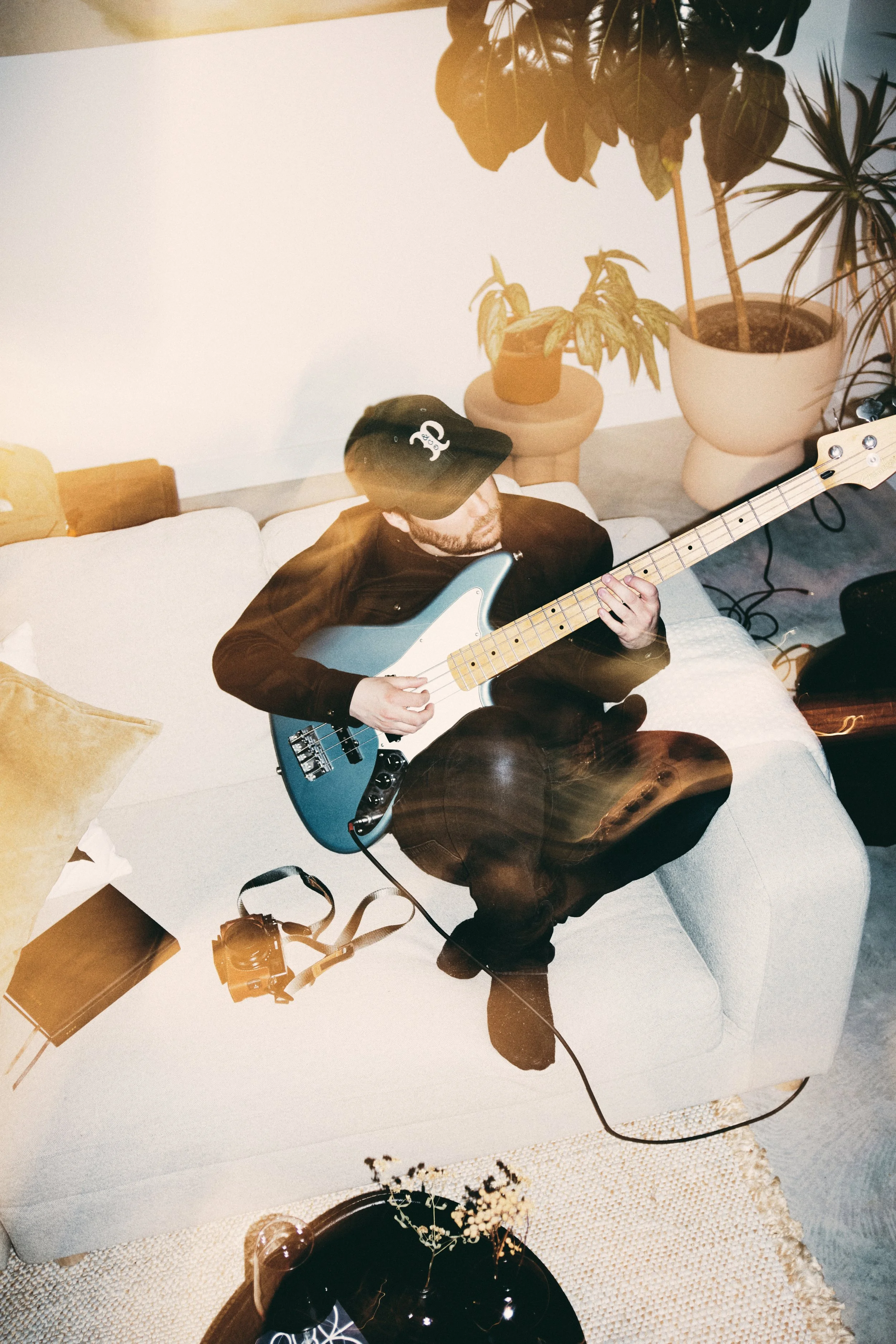
During his residency at The Parcelles in Lac-Beauport, composer and sound artist Lawrence Moon transformed the cottage into a quiet listening space, recording field sounds and beginning the score for a short film directed by longtime collaborator Jean-Christophe Yelle.
Working between ambient music, field recording, and cinematic sound design, his practice explores solitude, connection, and the emotional landscapes carried through sound.
In this conversation, Lawrence reflects on creativity as a grounding practice, the influence of fatherhood on his artistic life, and the importance of protecting space to create.
Tell us about you and your work.
I am Maxime Lawrence (Lawrence Moon), a composer and sound artist based in Québec, Canada. My work is inspired by nature and by the ways field recordings, ambient soundscapes, and generative textures can merge with the melodic structures that shape my music.
My debut full-length album, sonder (2026), explores themes of solitude, distance, and the quiet threads that connect us to one another.
How does your cultural background or personal story shape your practice?
My relationship with ambient music began in my teens. It was one of the few things that consistently brought a sense of peace to an inner world often shaped by anxiety. Over time, my practice became a way to navigate and translate experiences of dissociation, using the recording studio as a grounding space whenever the world feels distant or fragmented.
This is where the concept of sonder became central to my most recent work. Sonder is the realization that every passerby is living a life as vivid and complex as your own. Yet for someone experiencing anxiety or dissociation, that quiet thread of connection can feel incredibly fragile. My music is an attempt to bridge that gap — transforming feelings of isolation into a shared experience of presence, growth, and connection.
I approach ambient music much like a sculptor working from the top down. It’s a process of removing layers, working with texture, and finding balance between light and shadow.
What were your intentions for the residency and how did it unfold?
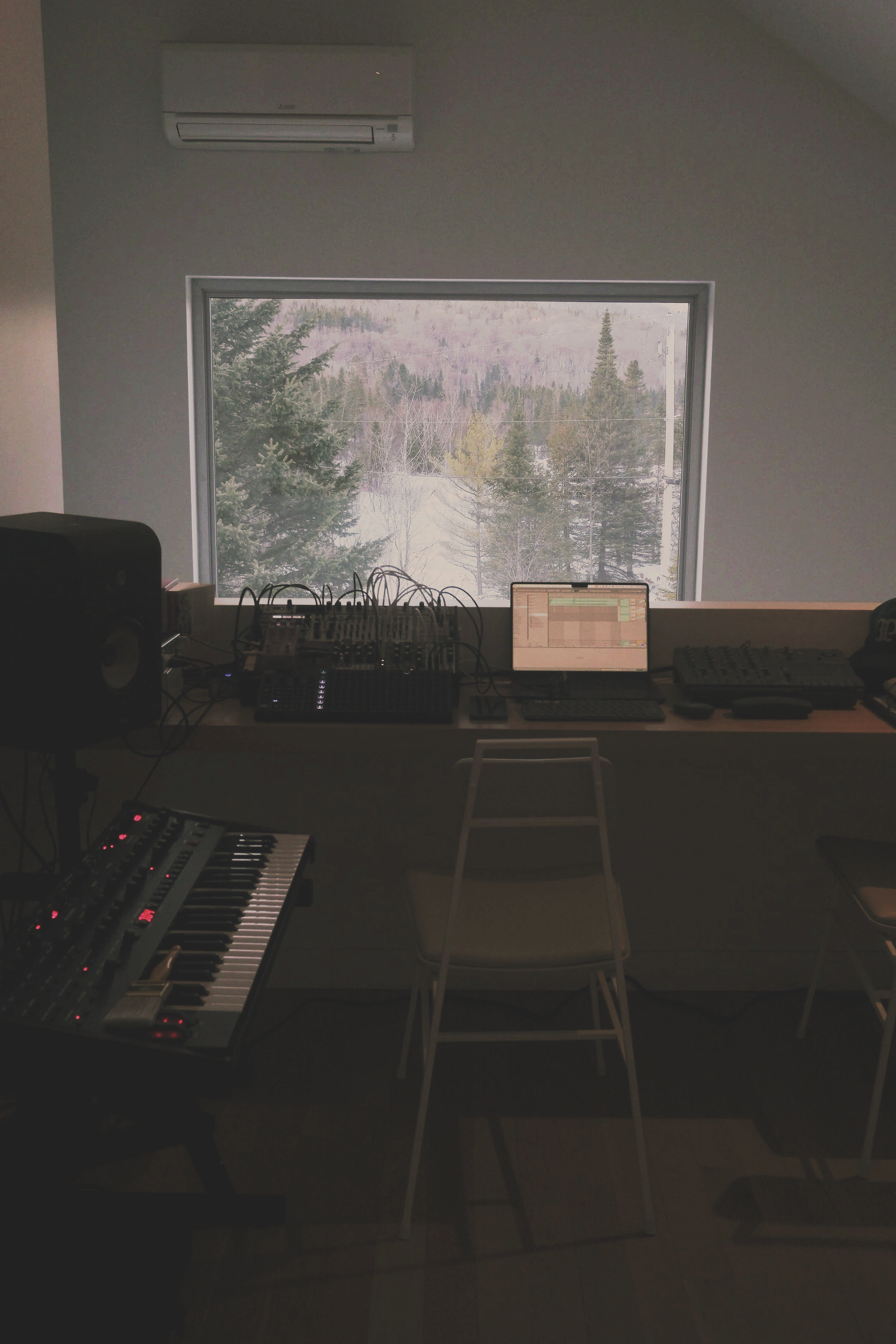
My primary intention for the residency was to create the time and space to begin scoring a short film in which I’ll have the honour of both acting and creating the musical landscape. I’m deeply inspired by the vision of my friend and filmmaker Jean-Christophe Yelle. We’ve collaborated on several projects, and each one has pushed my growth as an artist.
The first few days of the residency were incredibly productive. I was able to sketch out three or four compositions that became a strong foundation for the rest of my stay. When Jean-Christophe joined me for the latter half, we took the opportunity to further define the musical direction of the film while also having deeper conversations about the personality of the character I’ll be portraying on screen. It’s a pretty special job when watching films and short movies becomes part of the research process.
Beyond the technical work, I’m always grateful for the opportunity to dedicate uninterrupted time to my art. As a new father, balancing the many roles in my life has been a significant challenge. In that sense, this residency also became an important learning experience in how to hold space for my creative practice within an evolving personal story.
Can you describe a typical day during your residency?
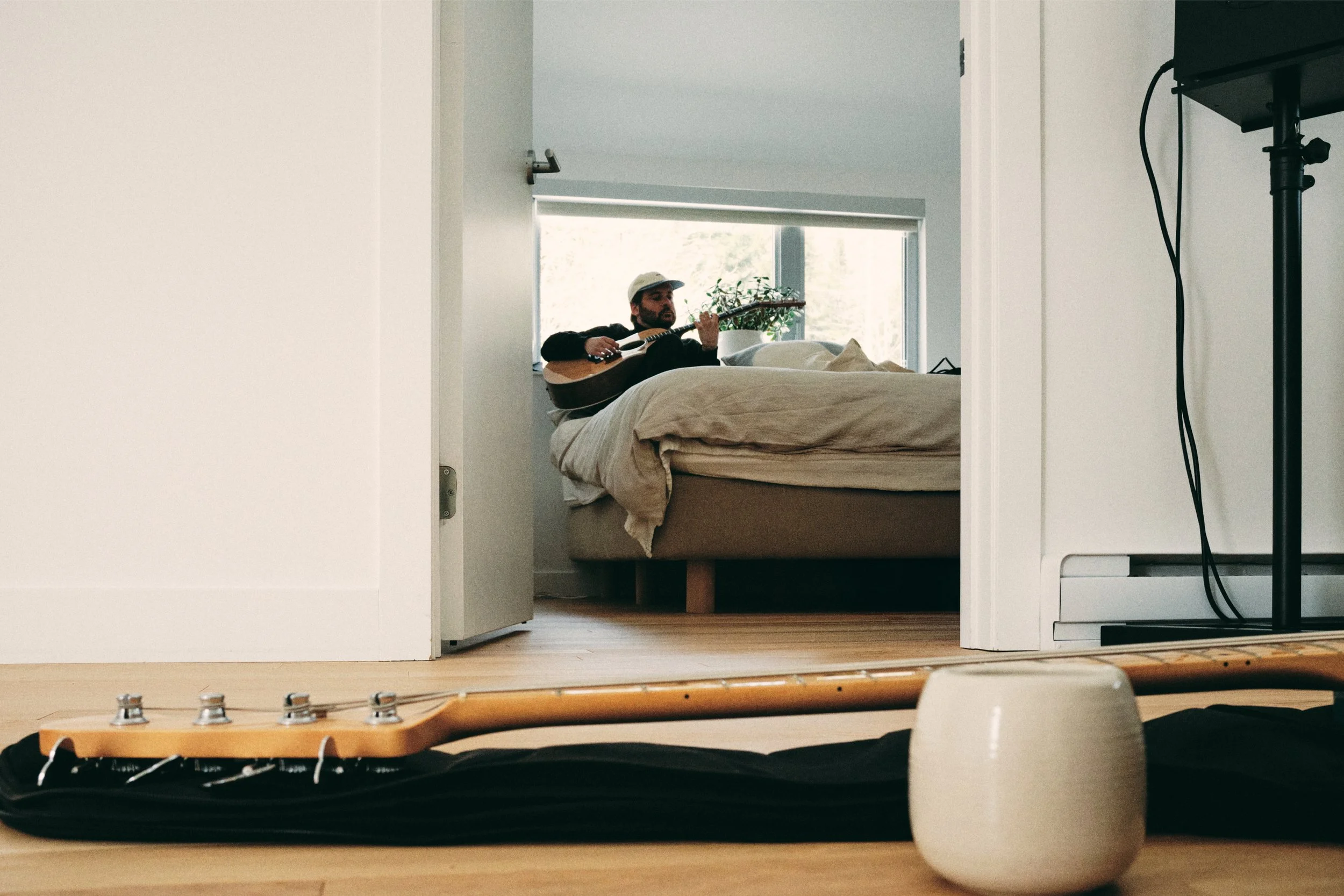
A typical day during the residency usually began with a shower and a French press (half-decaf is my thirties compromise). I’d spend the first hour listening back to the previous day’s work sessions while mapping out a task list for the hours ahead.
My creative energy tends to peak early in the morning and late at night, so I structured my schedule around those windows for composing. Afternoons were reserved for less brain-intensive work — exploring the surroundings, capturing field recordings, and reviewing ideas for upcoming sessions.
How has the landscape or atmosphere of the surrounding influenced your creative process?
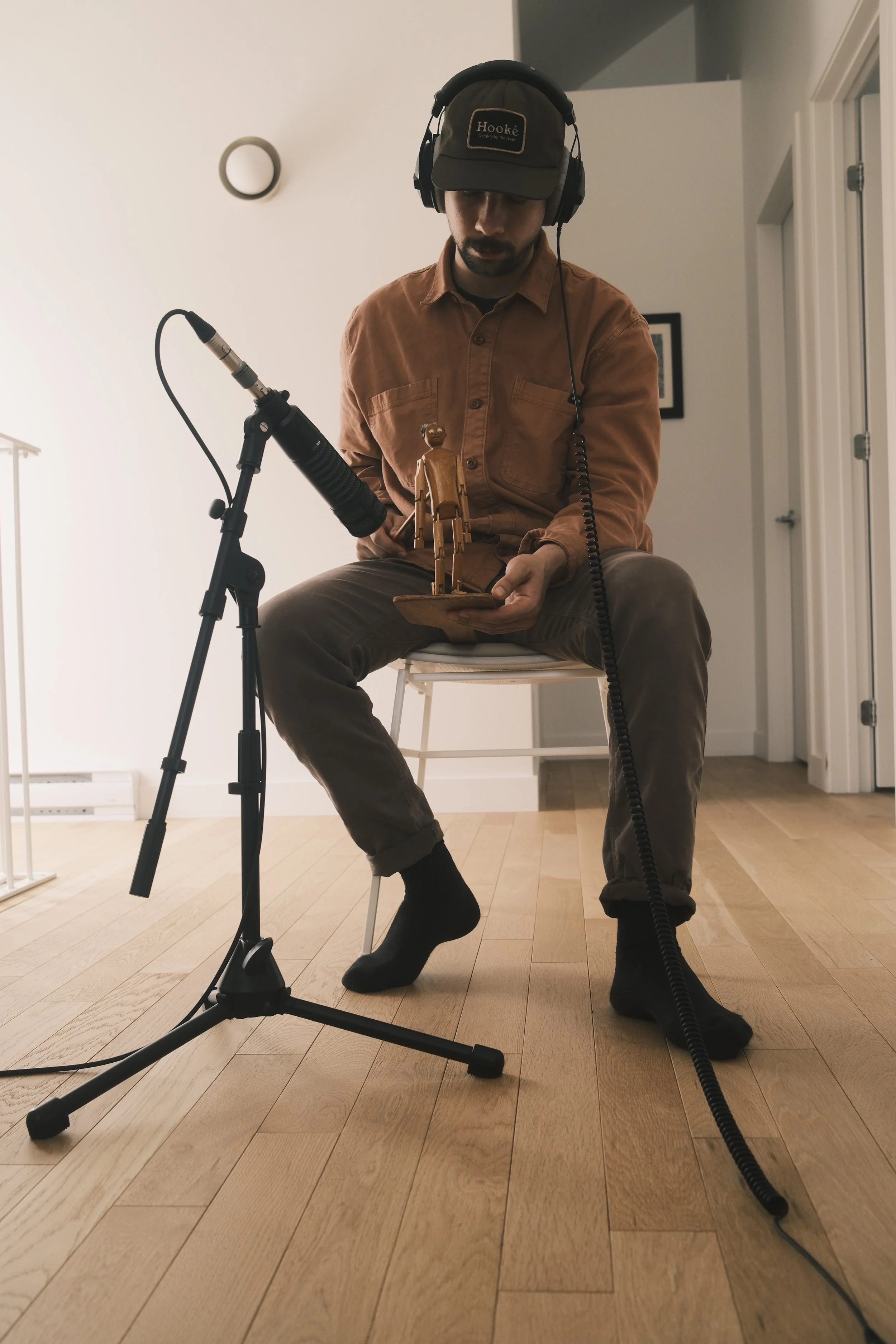
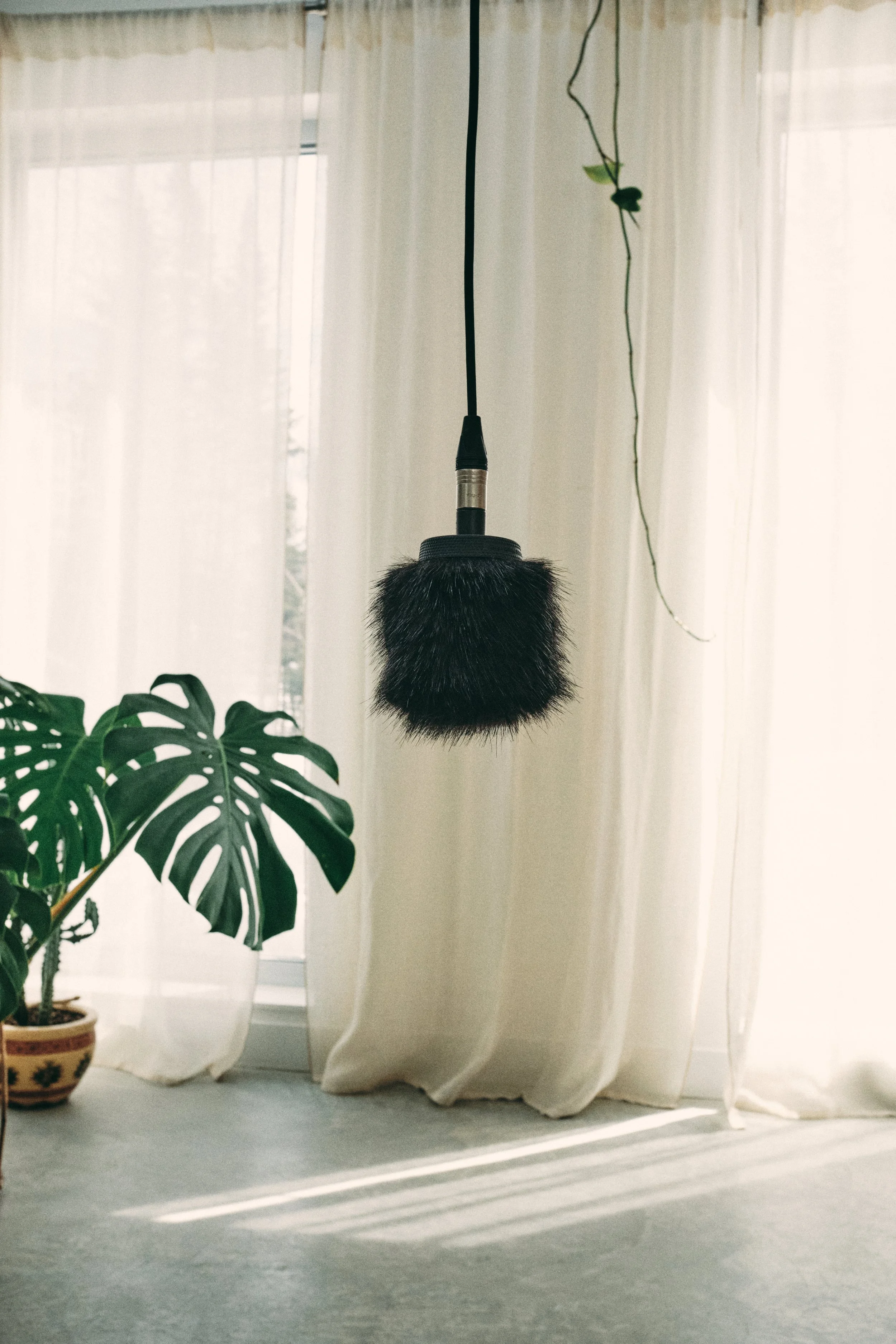
The environment in which I compose always has a significant impact on my work. I find a particular comfort in the quiet chaos of nature. The act of putting on headphones and listening through microphones is a unique experience — isolating, yet all-encompassing. It invites a level of deep, intentional listening that feels increasingly rare in our fast-paced lives.
At The Parcelles, I was lucky enough to have a rainy day that naturally shaped the rhythm of the session. I brewed some coffee, set up the microphones, opened the patio door, and recorded continuously for twenty minutes.
This process forces me to remain completely still and quiet. I use that time to meditate or reflect on my journey while the environment speaks for itself. It becomes a surprisingly beautiful and grounding practice.
Is there a medium or technique you experimented with that you hadn’t tried before?
Yes! Jean-Christophe brought along a LOM Geofón, which was a completely new tool for me. Typically, geophones are industrial sensors used to detect seismic waves. The LOM version, however, is modified specifically for field recording, allowing you to capture subtle vibrations within the soil and other physical materials.
It was our first time experimenting with it, and while we’re still learning how to use it, we had some really interesting results. It’s a fascinating way to “listen” to the environment from a completely different perspective, and I’d definitely like to continue exploring this technique to see how it could fit into my future work.

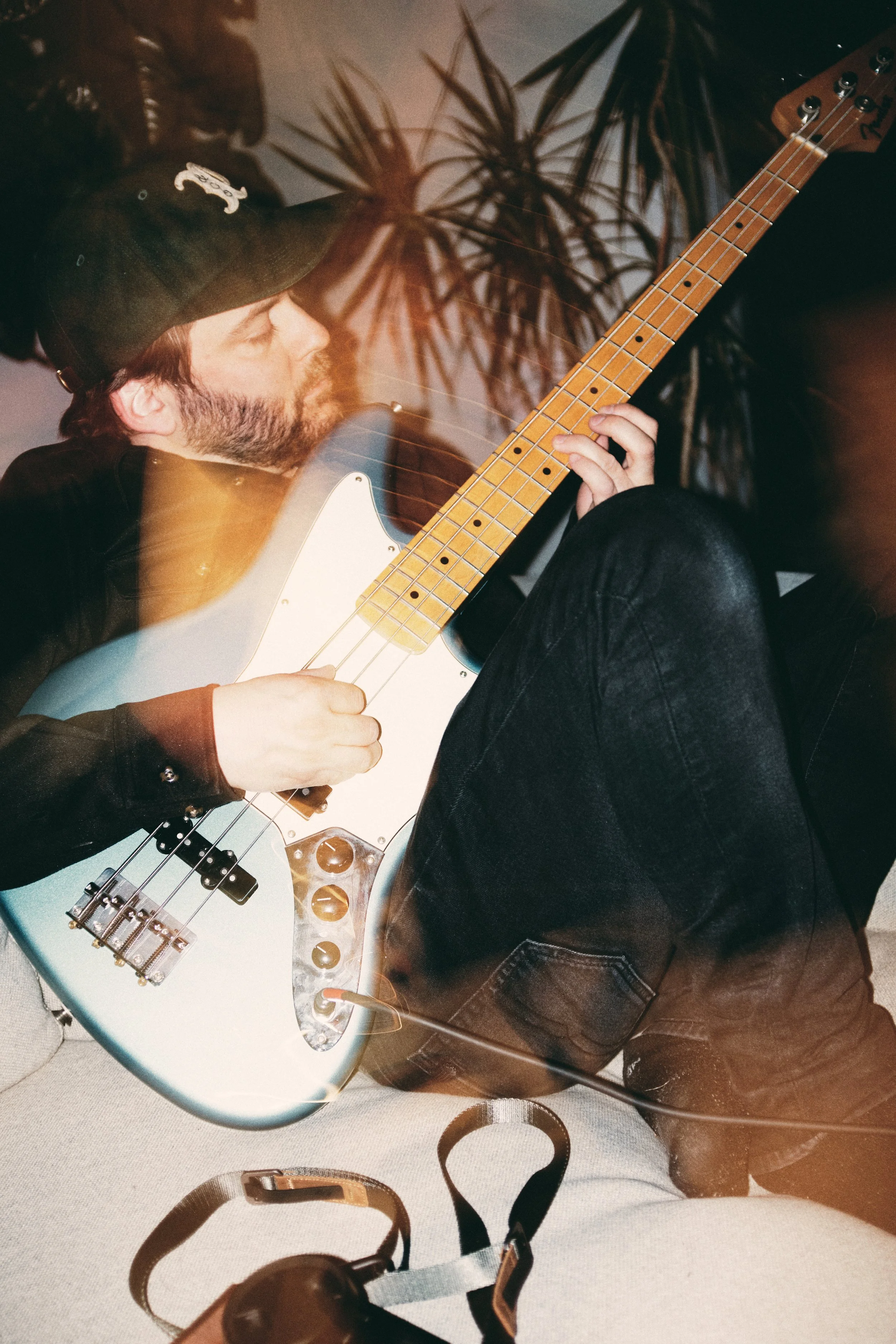
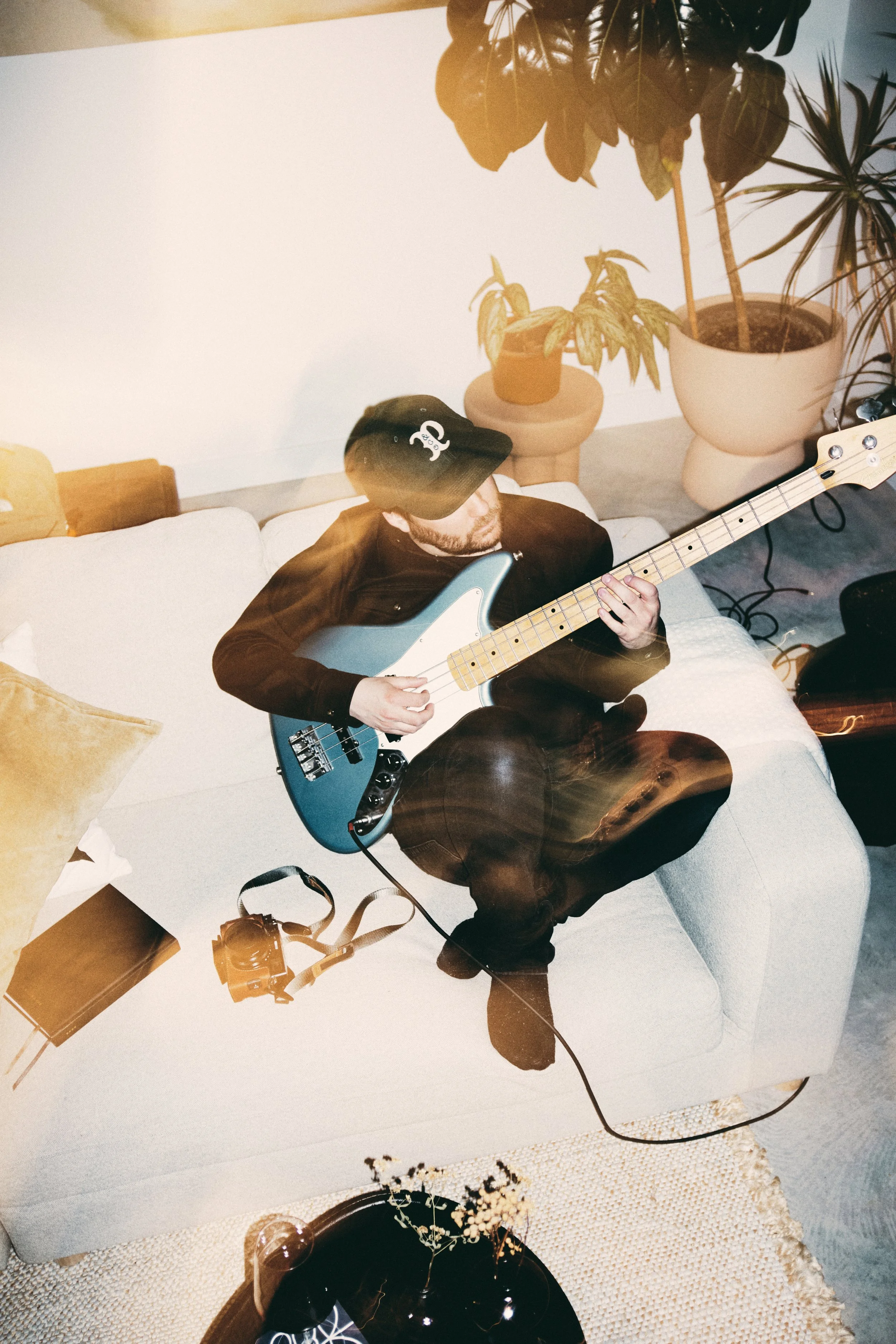
“This residency ultimately led to a shift in how I see my role as a new father. It’s incredibly difficult to spend time away from my son and my family, but I’ve come to realize how important it is for him to also witness this side of me. Even if it means being away for short creative periods, I want him to grow up knowing that part of who I am.”
-Maxime

What has challenged you most during this residency?
Being away from my family. This is always the biggest challenge.
How do you see art as a bridge between people, cultures, or generations?
I can’t think of a more powerful way to feel the thread that binds us than through the act of creating or sharing art. It’s a process that fills the gaps and shrinks the distance between us. I’ve always hoped my music could inspire a sense of unity.
I strongly believe that we are all connected on this Earth and within this universe. But to truly be “one,” we must care deeply for both our similarities and our differences. Unity is not about uniformity. Individuals are unique, cultures are unique, and every generation carries knowledge that deserves to be shared and preserved. Art becomes a vessel for that exchange.

Have you found inspiration in conversations or encounters with locals?
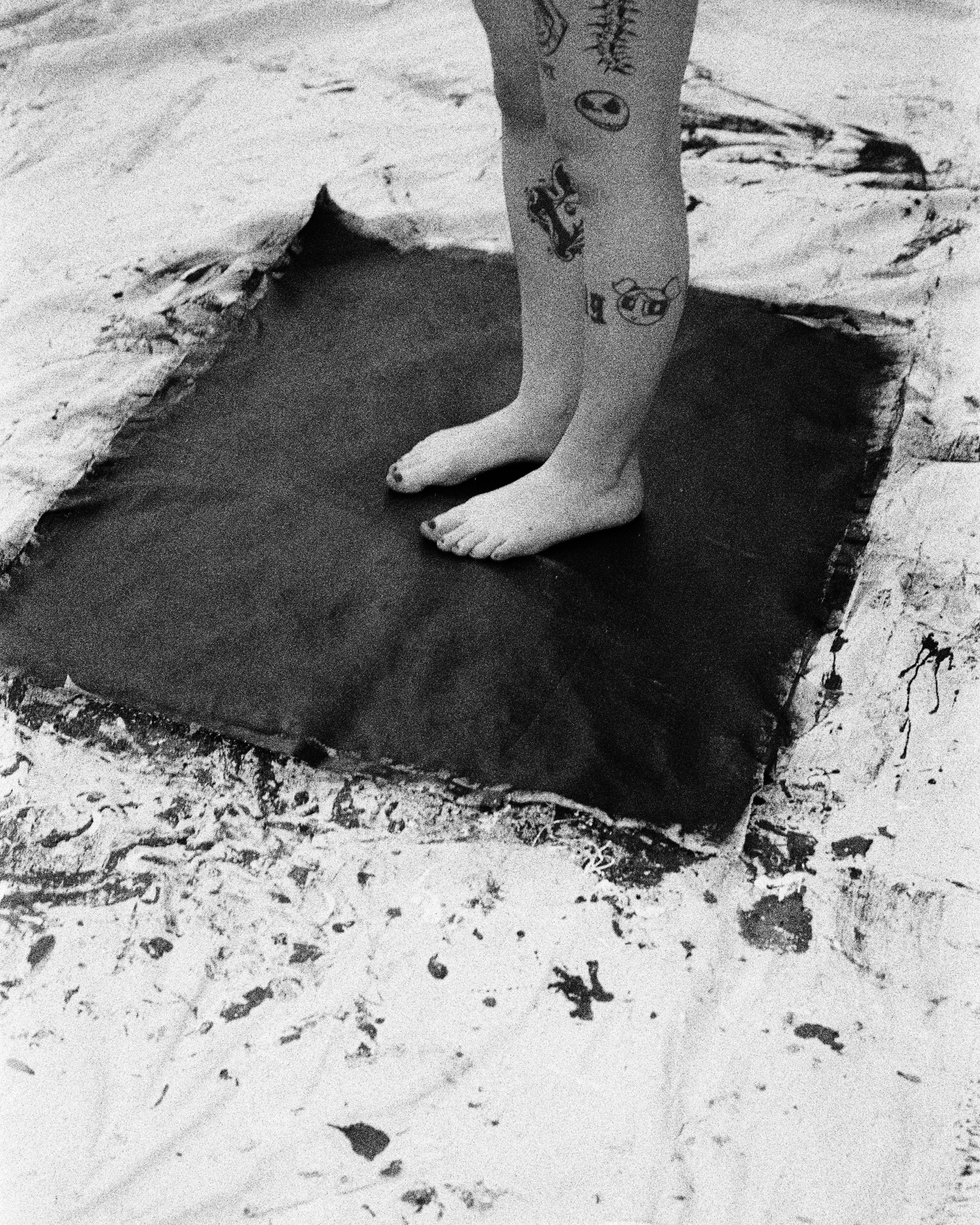
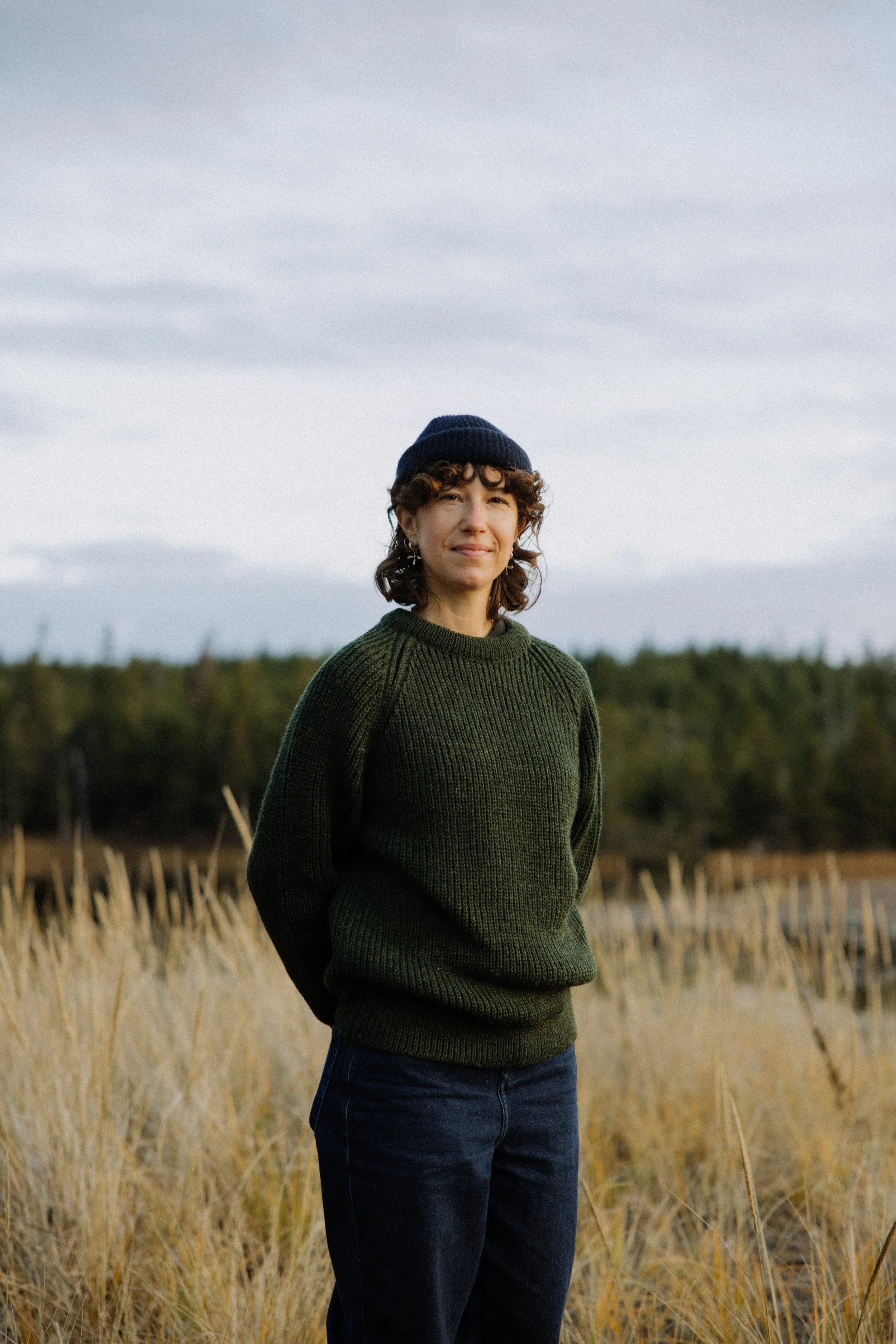
One of my favourite tattoo artists, Edena Sawyer, recently moved her shop there, and I made a point to visit her for some new ink during my residency.
Edena is an incredibly talented artist — down-to-earth, kind, and deeply welcoming. Personally, even after making music for 25 years, I still struggle with imposter syndrome at times. I’ve found that those feelings tend to fade the moment I connect with other artists. Spending time with creators like Edena grounds my practice and reminds me of the shared thread that exists across all creative work.
If you’re looking for a talented artist for your next project, I highly recommend reaching out to Edena.
Has this residency shifted something in the way you see your own practice or future projects?
This residency ultimately led to a shift in how I see my role as a new father. It’s incredibly difficult to spend time away from my son and my family, but I’ve come to realize how important it is for him to also witness this side of me. Even if it means being away for short creative periods, I want him to grow up knowing that part of who I am.
My time at The Parcelles strengthened that understanding and reaffirmed the space I want art to hold in my life. It deepened my desire to be present, to share, and hopefully to inspire my son, whatever path he chooses for himself. I’m leaving with a much clearer sense that protecting my creative practice is also part of the story I’m writing for him.
What’s a small, personal memory from your time here that you’ll bring back home with you?
On my way out of Lac-Beauport, I stopped by Café Noisette and met some of the sweetest people. The coffee was excellent, and the shop was filled with beautiful local products. It felt like the perfect way to close this chapter before heading home.
What role do you think residencies like The Parcelles play in supporting artists today?
The team at The Parcelles are true role models for creative entrepreneurship. There’s no better way to support the arts than by integrating them directly into a business model — and in this case, by offering artists time and space at an accessible cost. It’s a meaningful way to help keep artistic practices sustainable.
Honestly, the world just needs more Catherines and Gabriels!
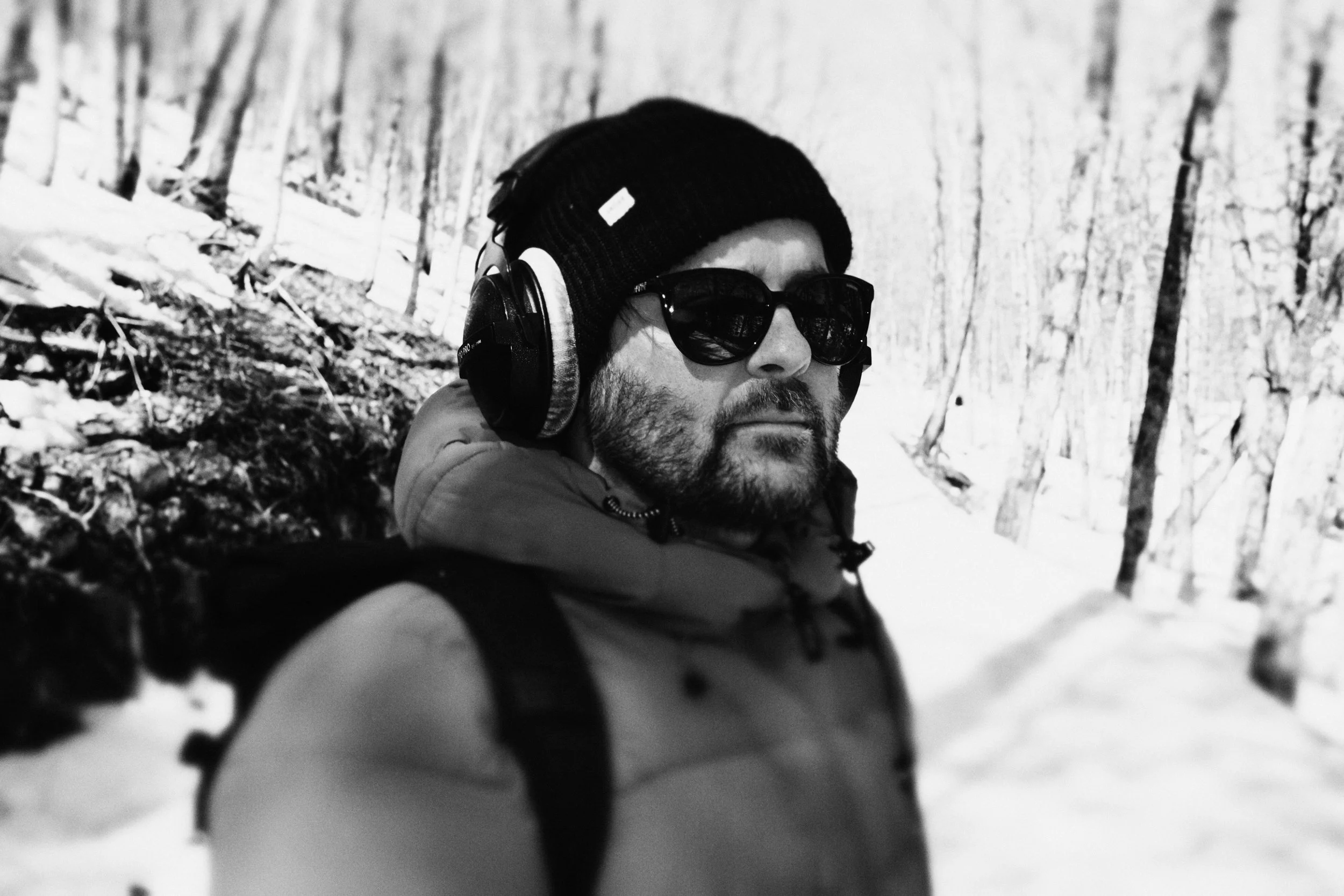
Lawrence’s residency at The Parcelles became more than a space to compose. It offered him time to reflect on how creativity can continue to exist alongside fatherhood, responsibility, and an evolving personal life.
Through field recording, stillness, and long hours of listening, he was reminded that protecting space for art is also a way of staying connected — to himself, to others, and to the story he hopes to pass on to his son.
Follow Maxime Lawrence / @maximelawrence
Portraits by Jean-Christophe Yelle / @jc_yelle