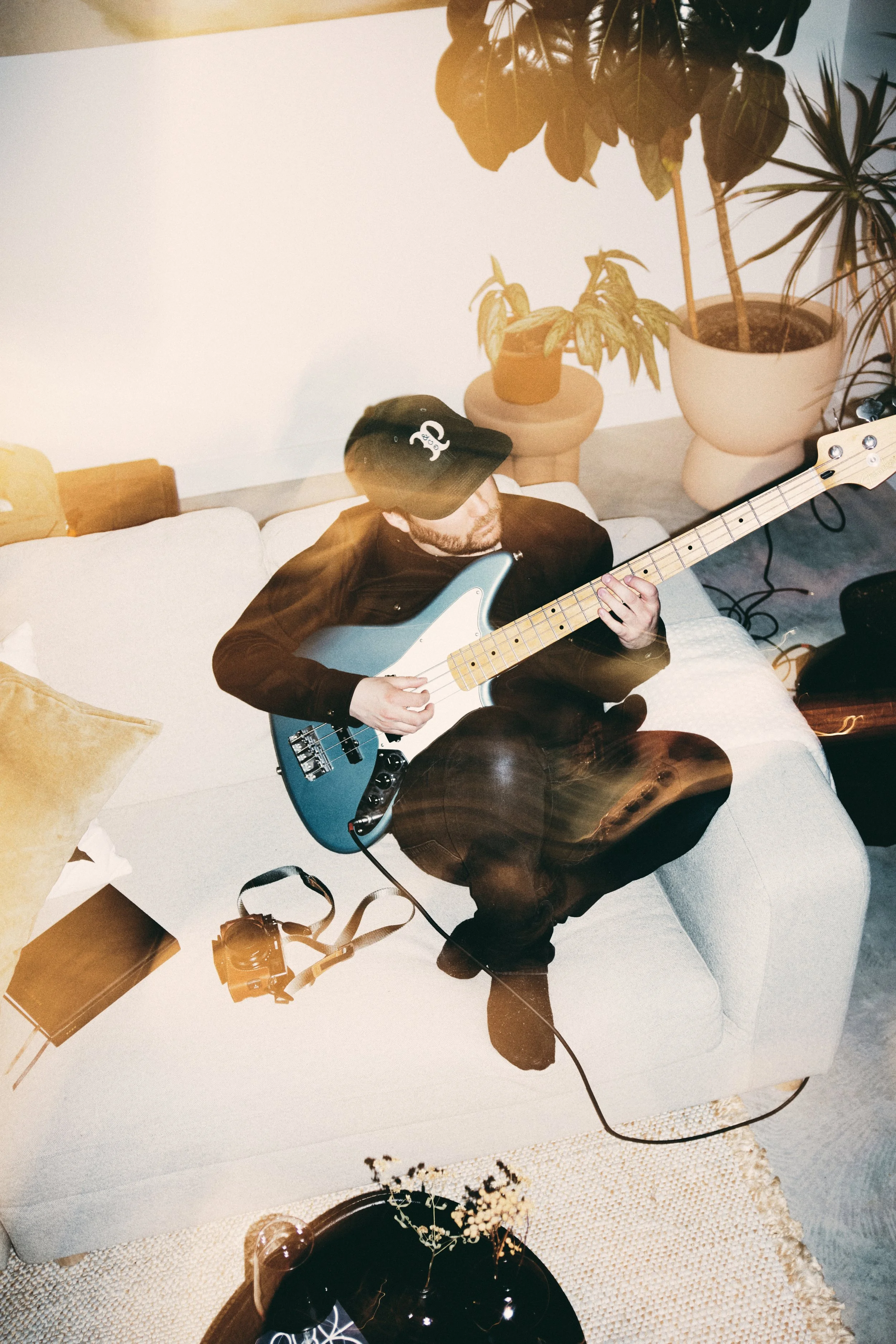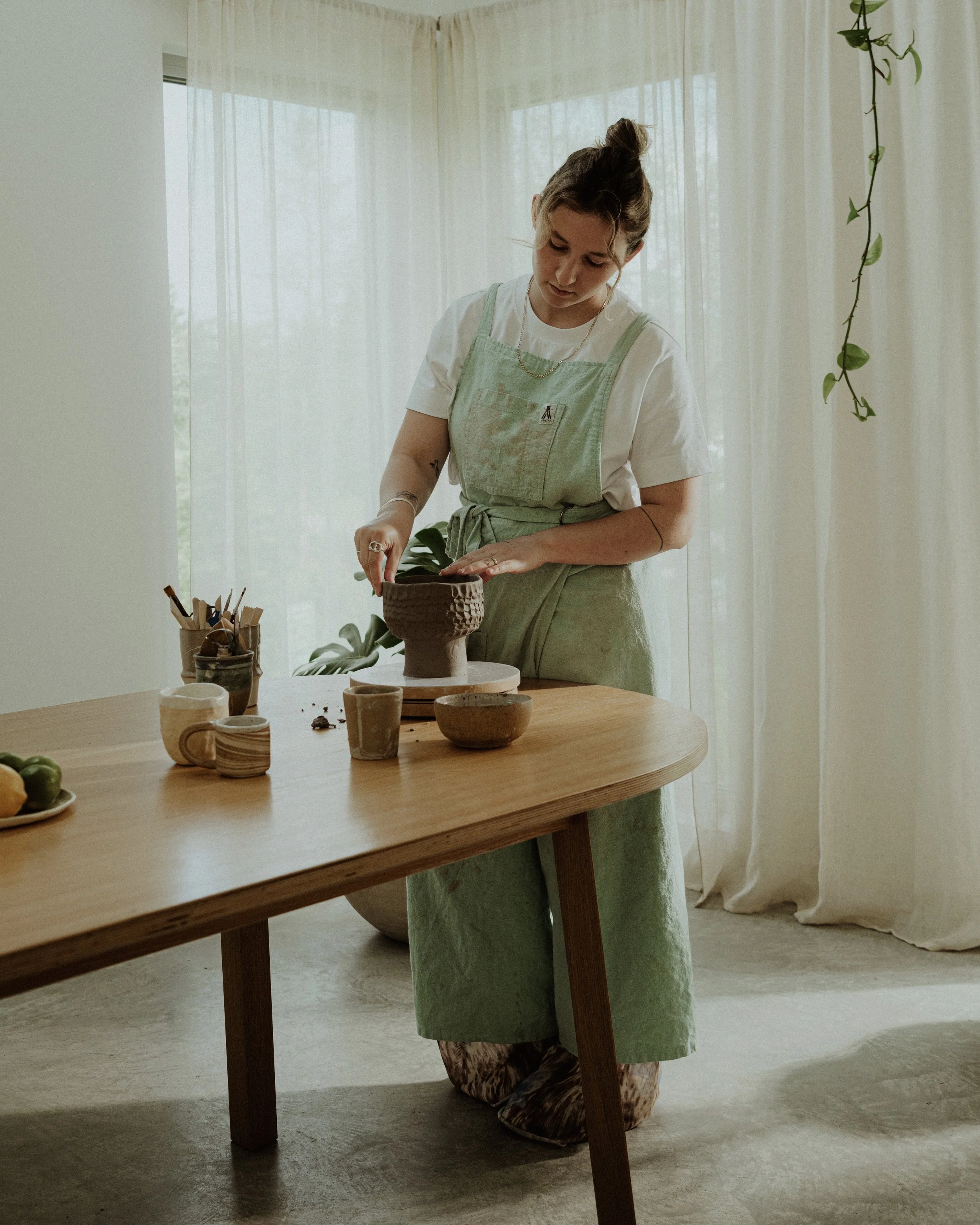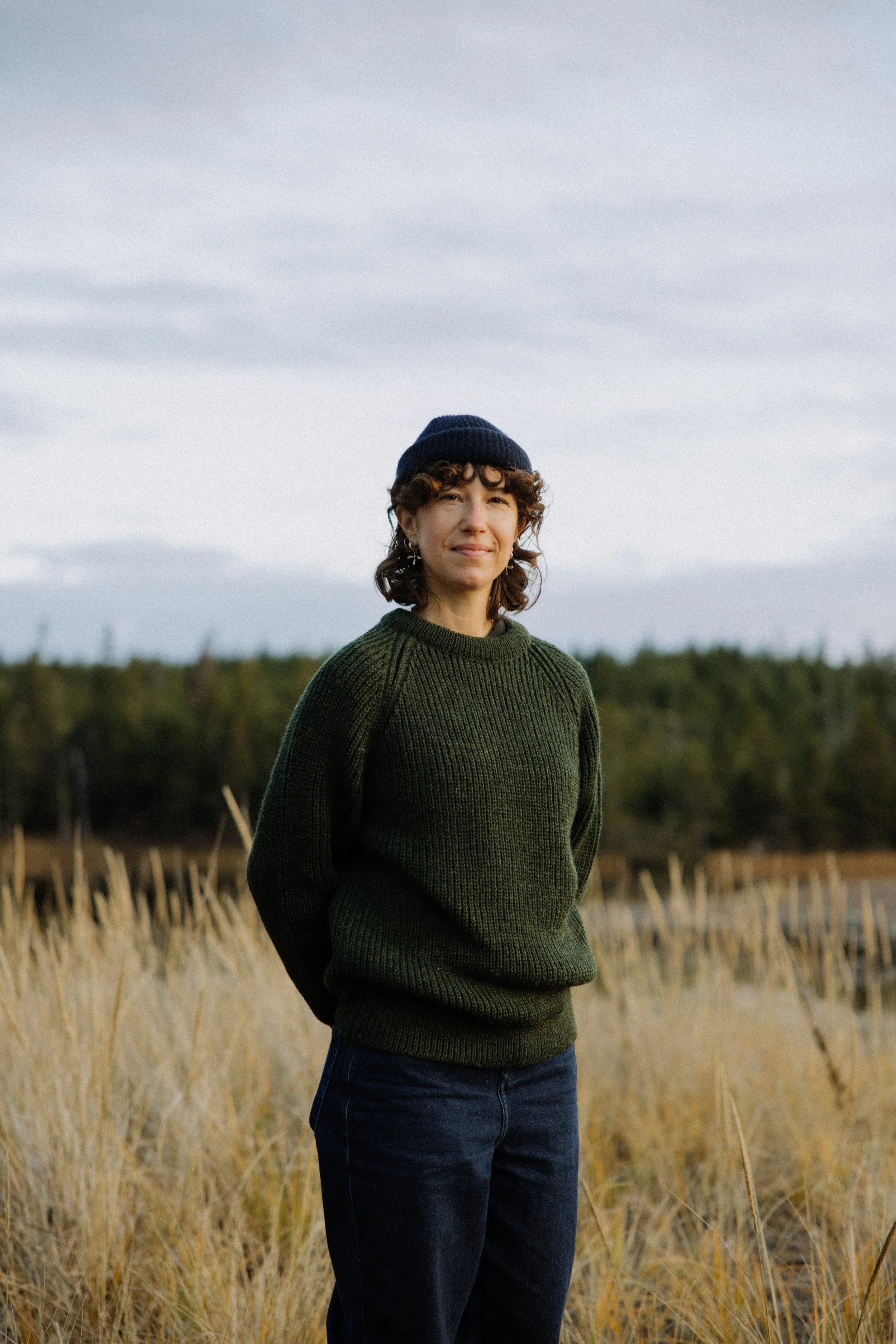
Interview & Photography / Catherine Bernier
In collaboration with Milo & Dexter
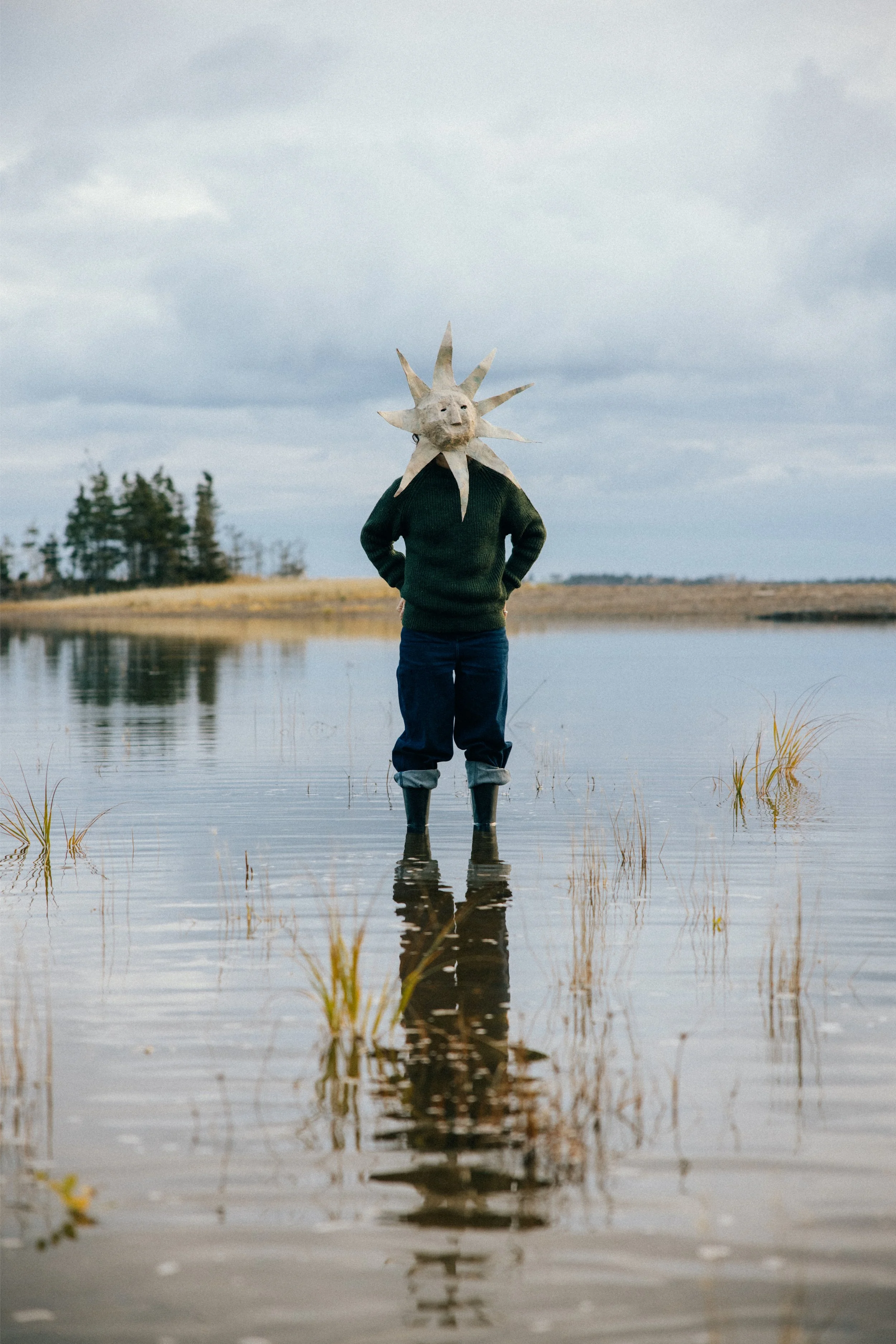
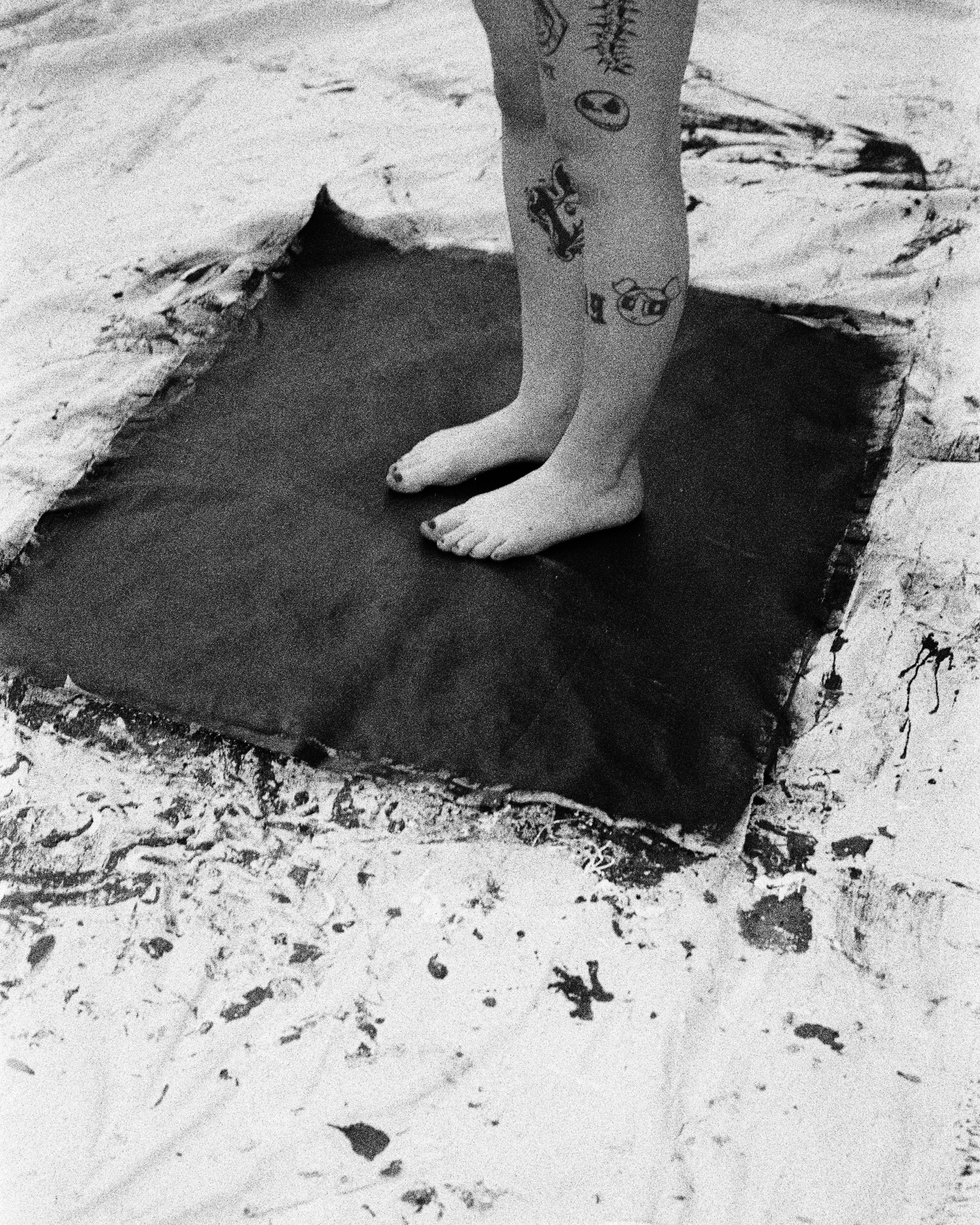
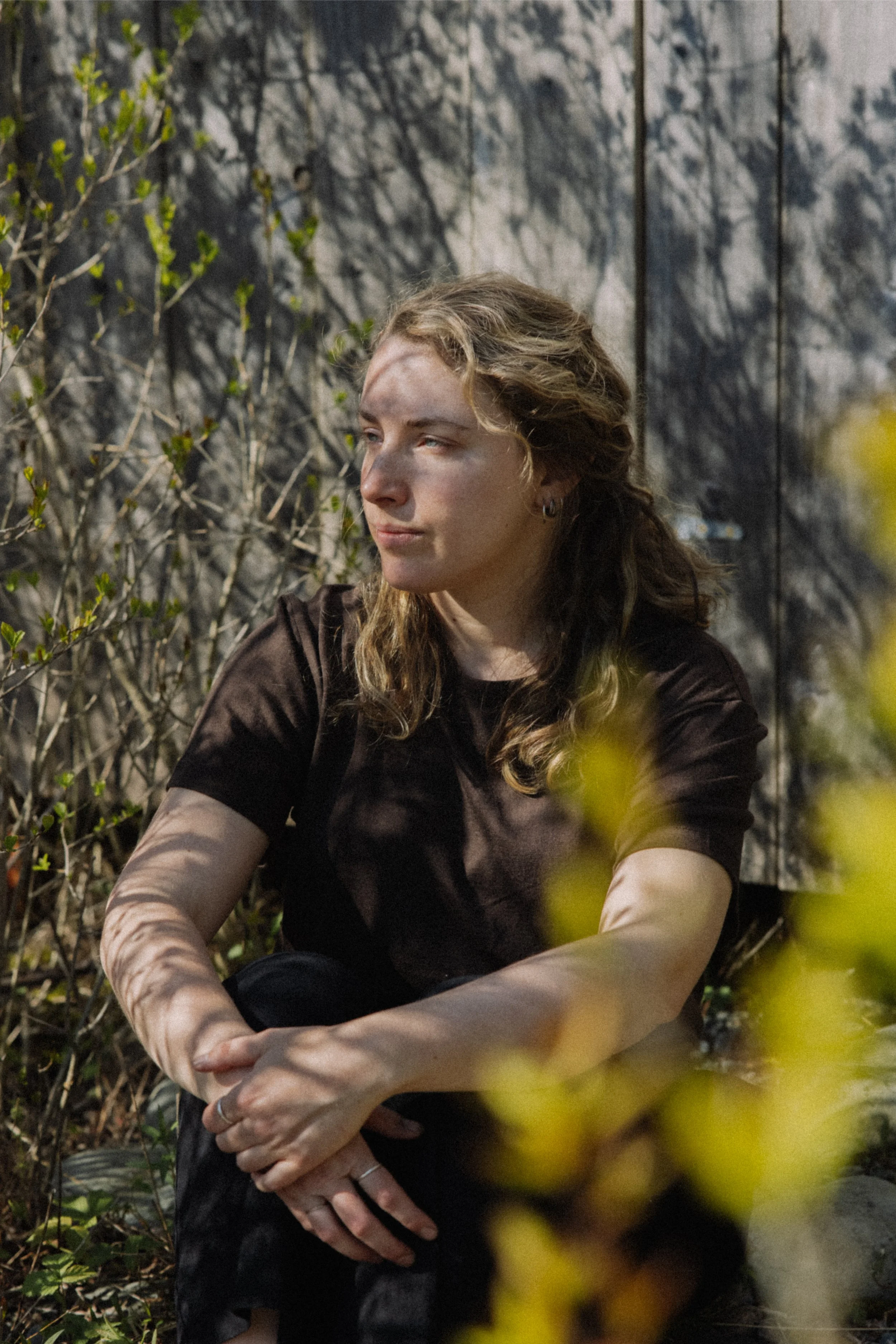
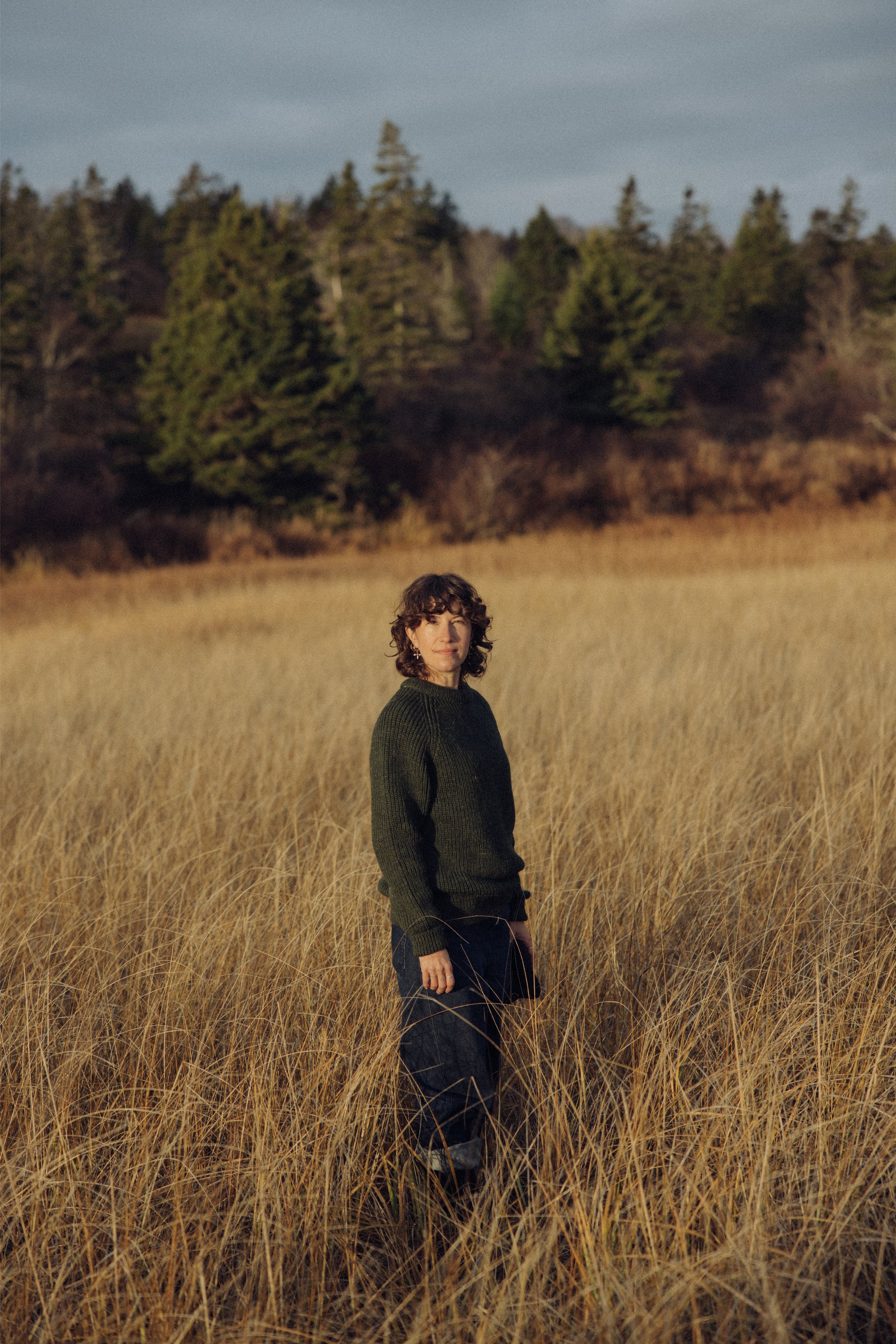
At The Parcelles, artists often arrive carrying multiple threads of a life in creation. For Léonie Lévesque-Robert, these threads move fluidly between visual art, makeup artistry and farming. Her practice unfolds through attention to textures, gestures, and the quiet poetry of the living world.
During her residency in Seaforth in late autumn, Léonie embraced the slower rhythm of November. Between long walks along the coast, observational sketches, and experiments with new materials, she allowed curiosity and intuition to guide her process. What emerged was not a singular project, but a constellation of ideas—an exploration of colour, matter, and the simple act of noticing.
Below, Léonie reflects on her practice, her time at The Parcelles, and the small moments that continue to shape her creative path.

How does your cultural background or personal story shape your practice?
I studied art, and skin quickly became my medium of choice. I’ve now been working for 15 years in film and photography as a makeup artist. For the past three years, I’ve also been a partner in a small organic vegetable farm. And illustration is never very far away.
These different experiences nourish me and lead me to develop a visual language that is simple but evocative, where poetry, material, and gesture meet. My practice explores the textures and rhythms of the living world through drawing, naïve line work, and installation-based experimentation.
It might all seem scattered, but for me, everything intertwines joyfully.
What were your intentions for the residency and how did it unfold?
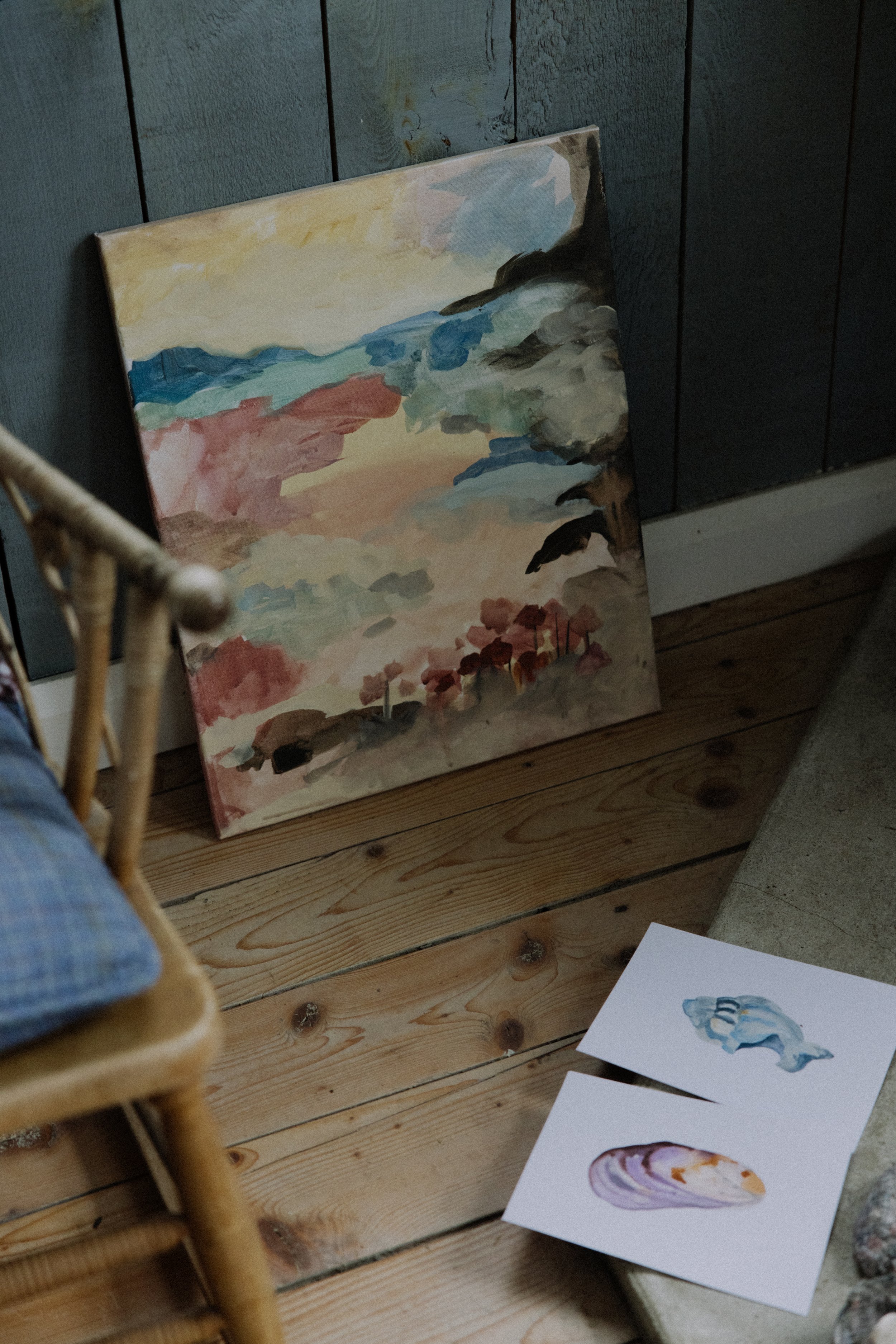
My intention was to reserve a moment dedicated to exploration and play with different mediums, and to spend as much time outside as possible—even though it was November.
The first few days were really intense: I started several projects at once because I wanted to do everything. By the third day, I found a slower rhythm. It felt really good to step out of the productivity cycle. And I spent a lot of time outdoors.
Can you describe a typical day during your residency?
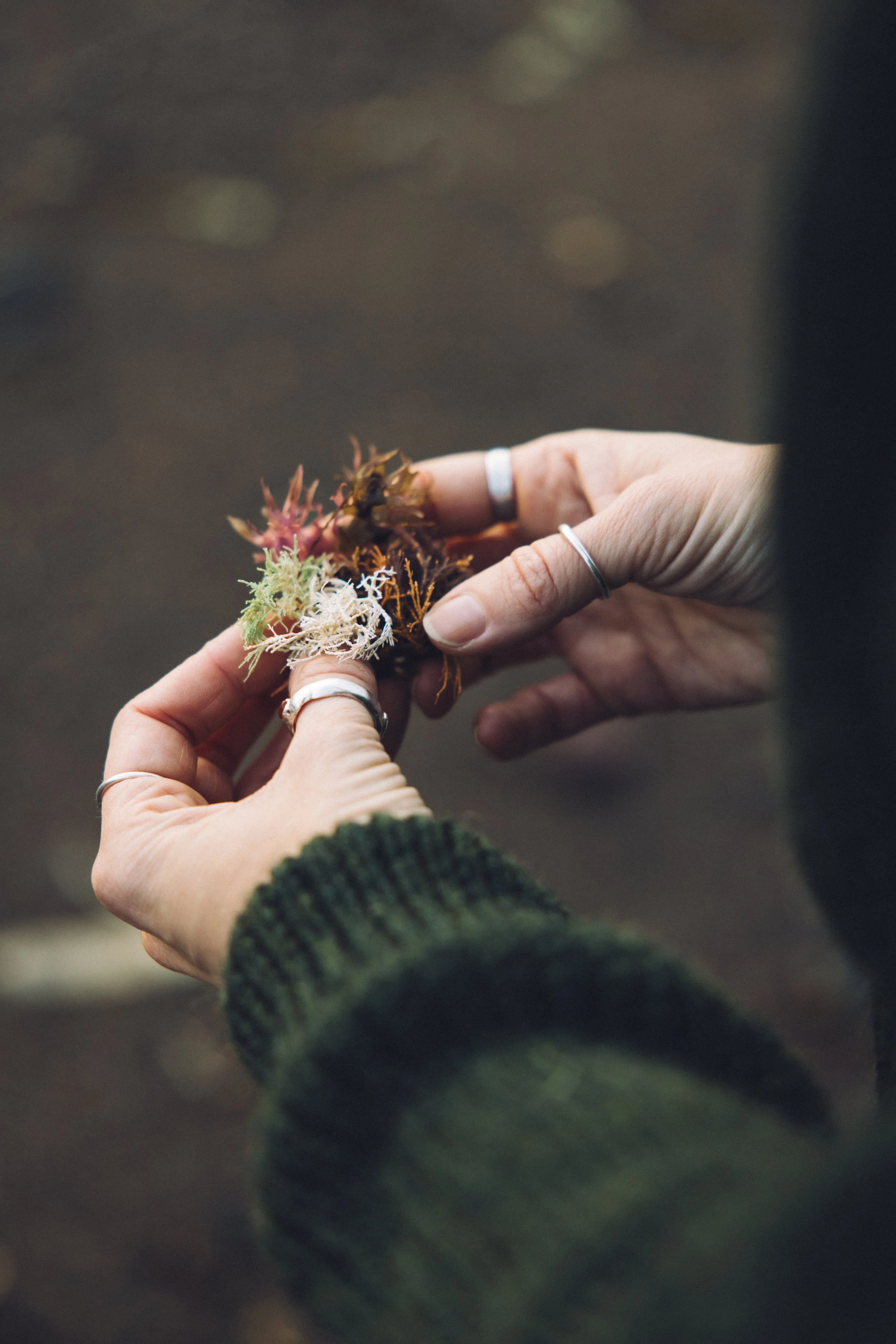
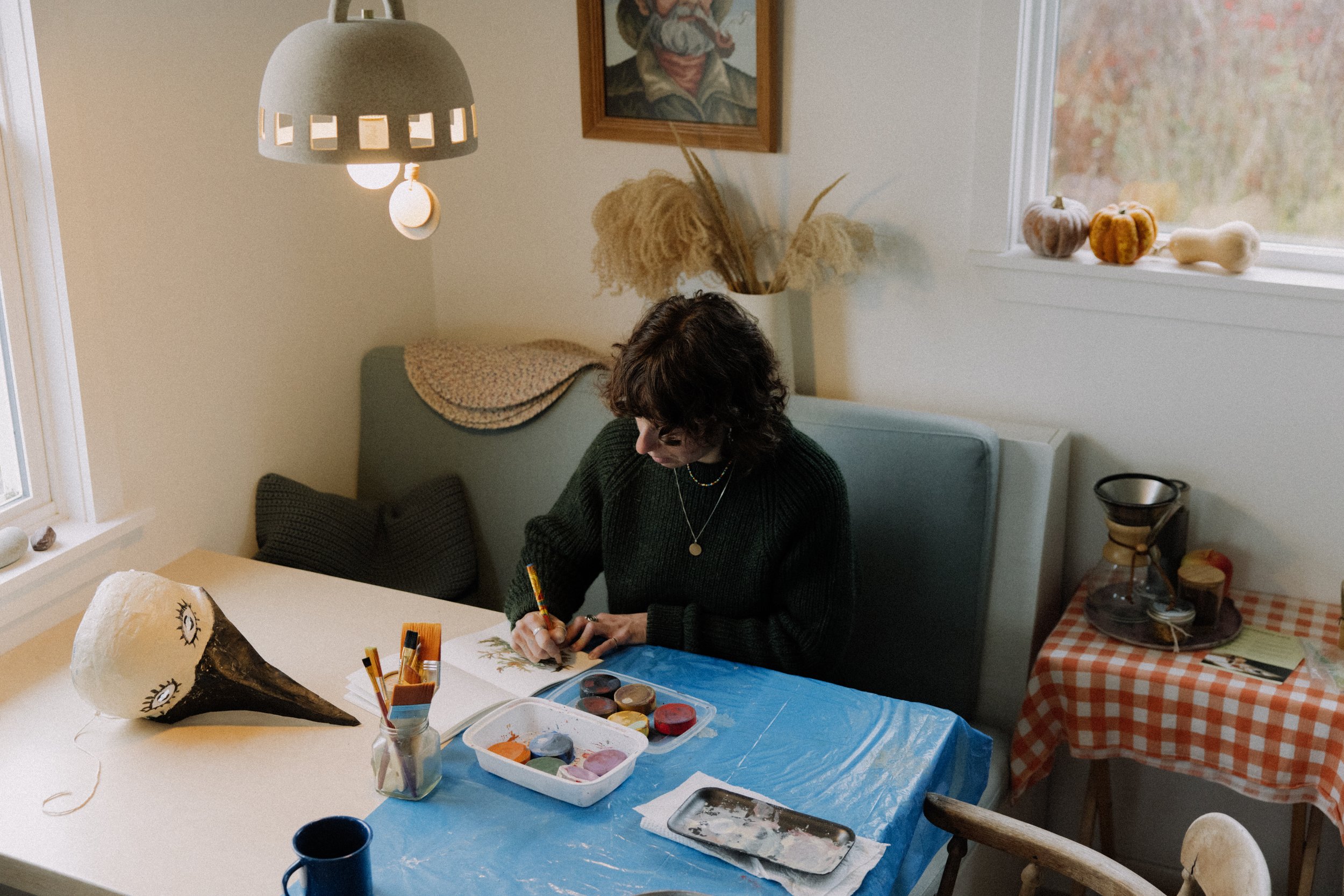
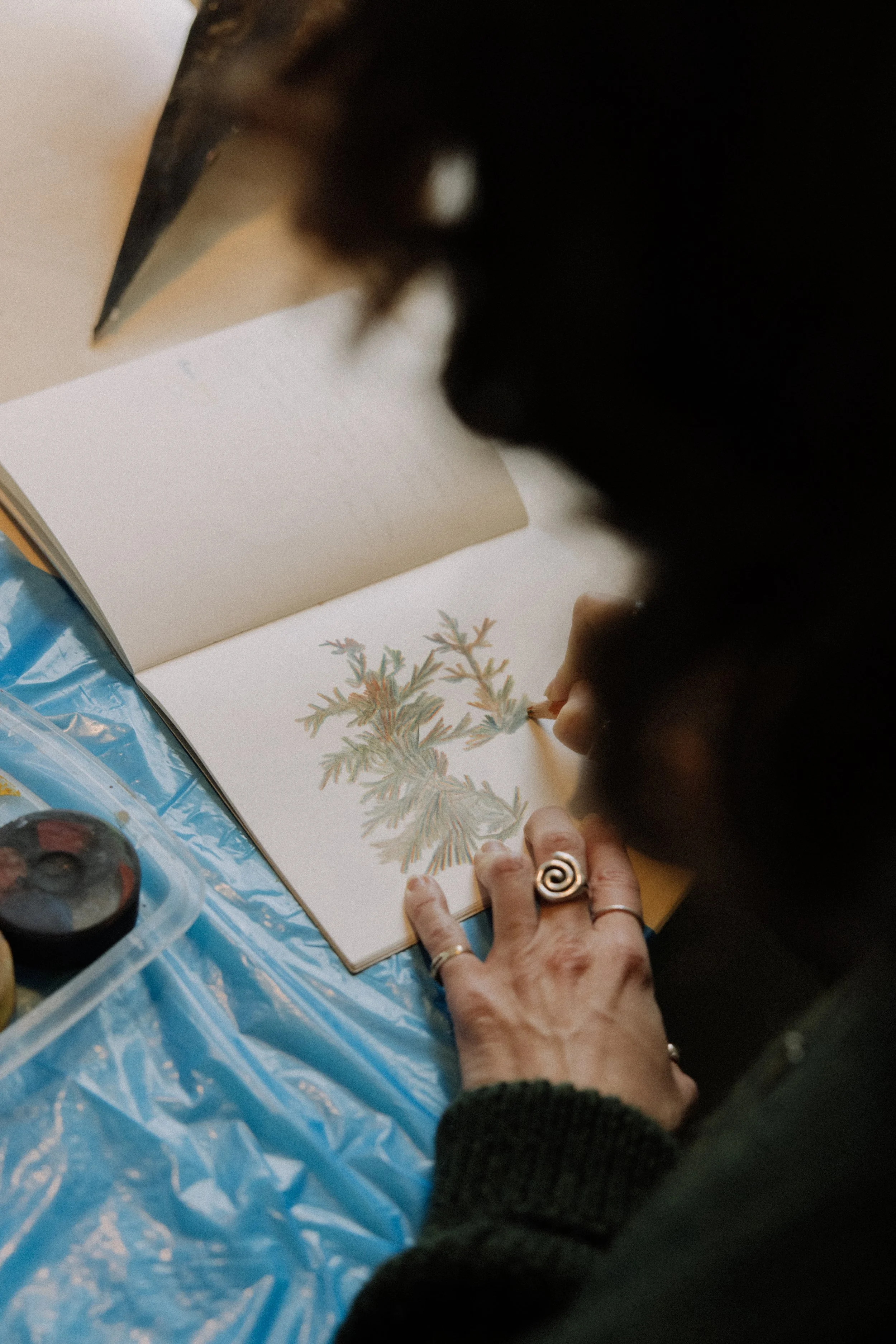
I wake up naturally, without an alarm. I prepare my hojicha tea and go out for my little morning round. I make a few observational drawings and record colours in my notebook.
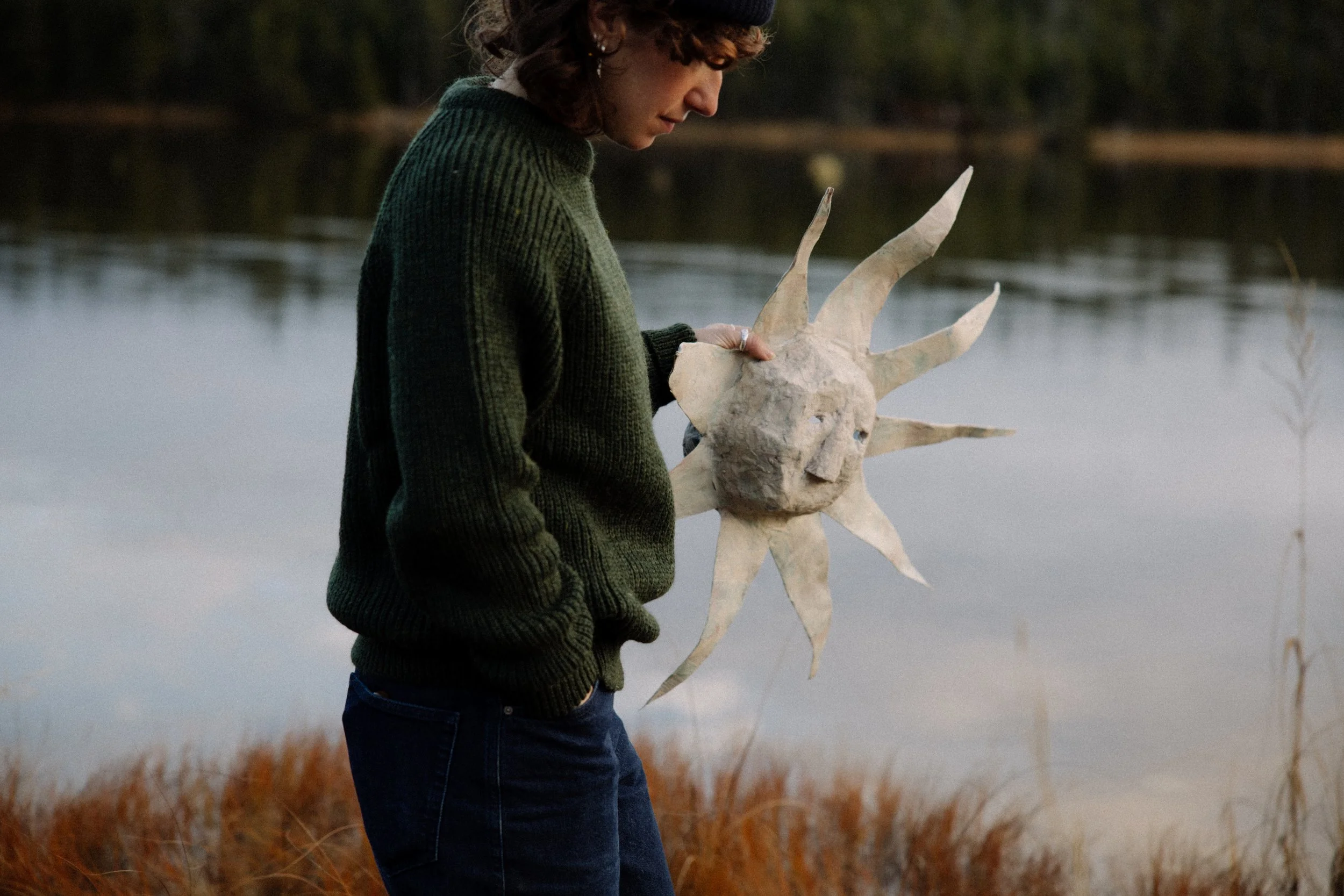
After that, I settle in to work—either advancing a papier-mâché project, painting, or something else. In the late afternoon, when the sun reaches the coastline, I put on my late grandmother’s rain boots and walk down to the ocean.
How has the landscape or atmosphere of Seaforth influenced your creative process?
I was very inspired by the colours and light of November. The changing sky, the holly appearing everywhere as small red dots.
I was immersed in almost complete silence—only the sound of waves and birds. It allowed me to create space within myself and become receptive to ideas and inspiration.
Is there a medium or technique you experimented with that you hadn’t tried before?
Papier-mâché!
“I was immersed in almost complete silence—only the sound of waves and birds. It allowed me to create space within myself and become receptive to ideas and inspiration.”
-Léonie

What has challenged you most during this residency?
My sense of time—which was already not very strong—completely disappeared. I also think I should have brought prepared meals, because when hunger arrived I was often in the middle of a project and had no desire to cook.
How do you see art as a bridge between people, cultures, or generations?
I discovered the artist Maud Lewis at the Nova Scotia Gallery. I was deeply moved by her story and her art.
I don’t have the status of a professional artist, so I’m not eligible for most grants, and sometimes the feeling of being an impostor sneaks in. Seeing the work of this woman—who probably never imagined her paintings would one day be in a museum—reminded me that what truly matters is the creative impulse.
It greatly strengthened my interest in Art Brut.
Has this residency shifted something in the way you see your own practice or future projects?
You have to give time to what you want to see blossom.
What’s a small, personal memory from your time here that you’ll bring back home with you?
The hawk at the top of the pine tree.
The deer on the beach.
The cold day when a thin layer of ice formed on the water and cracked under my steps.
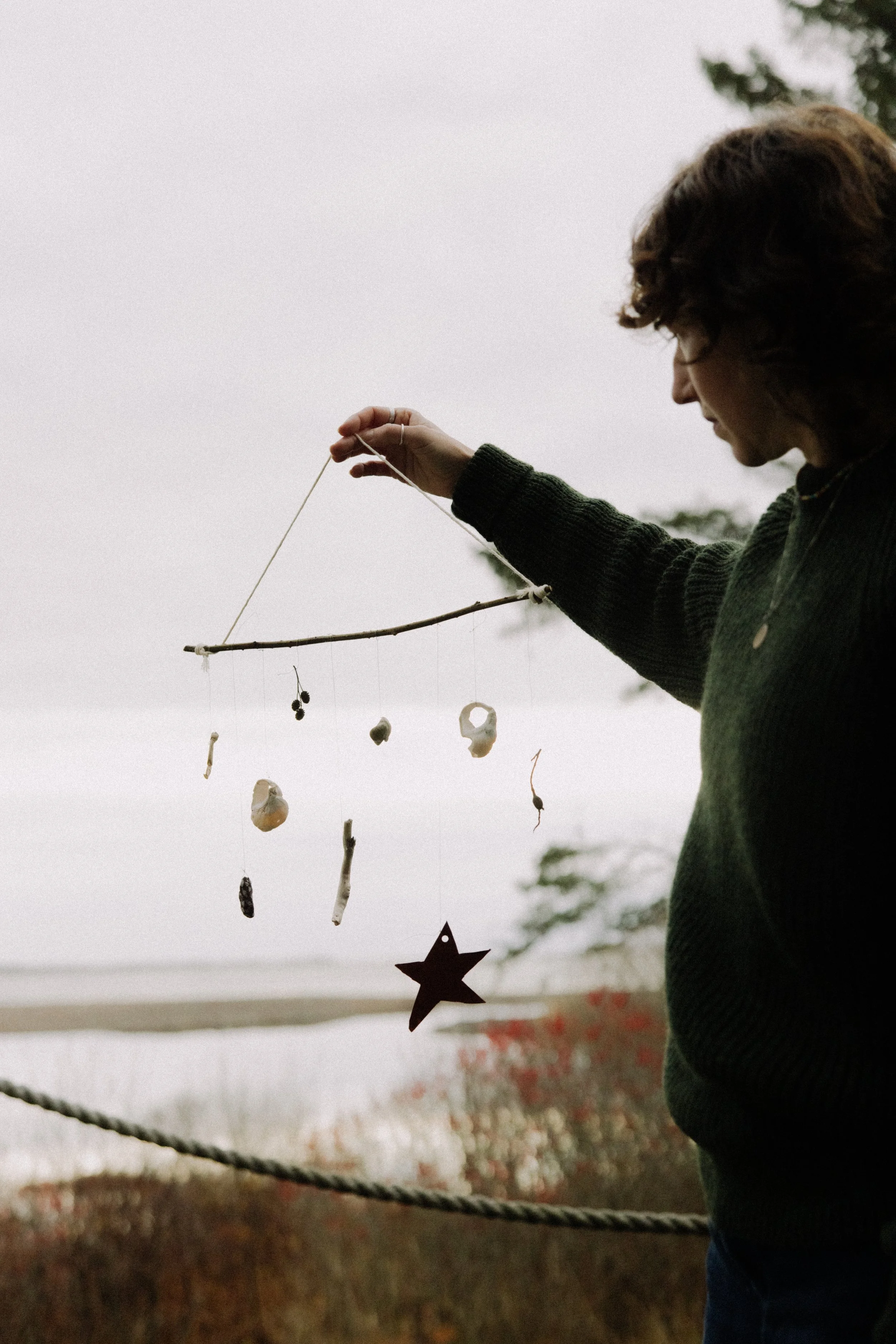
And of course, a few shells at the bottom of my pockets.
What role do you think residencies like The Parcelles play in supporting artists today?
Space and time are the most precious things for nourishing any artistic practice. Offering this kind of pause in an otherwise fast-paced life is truly meaningful.
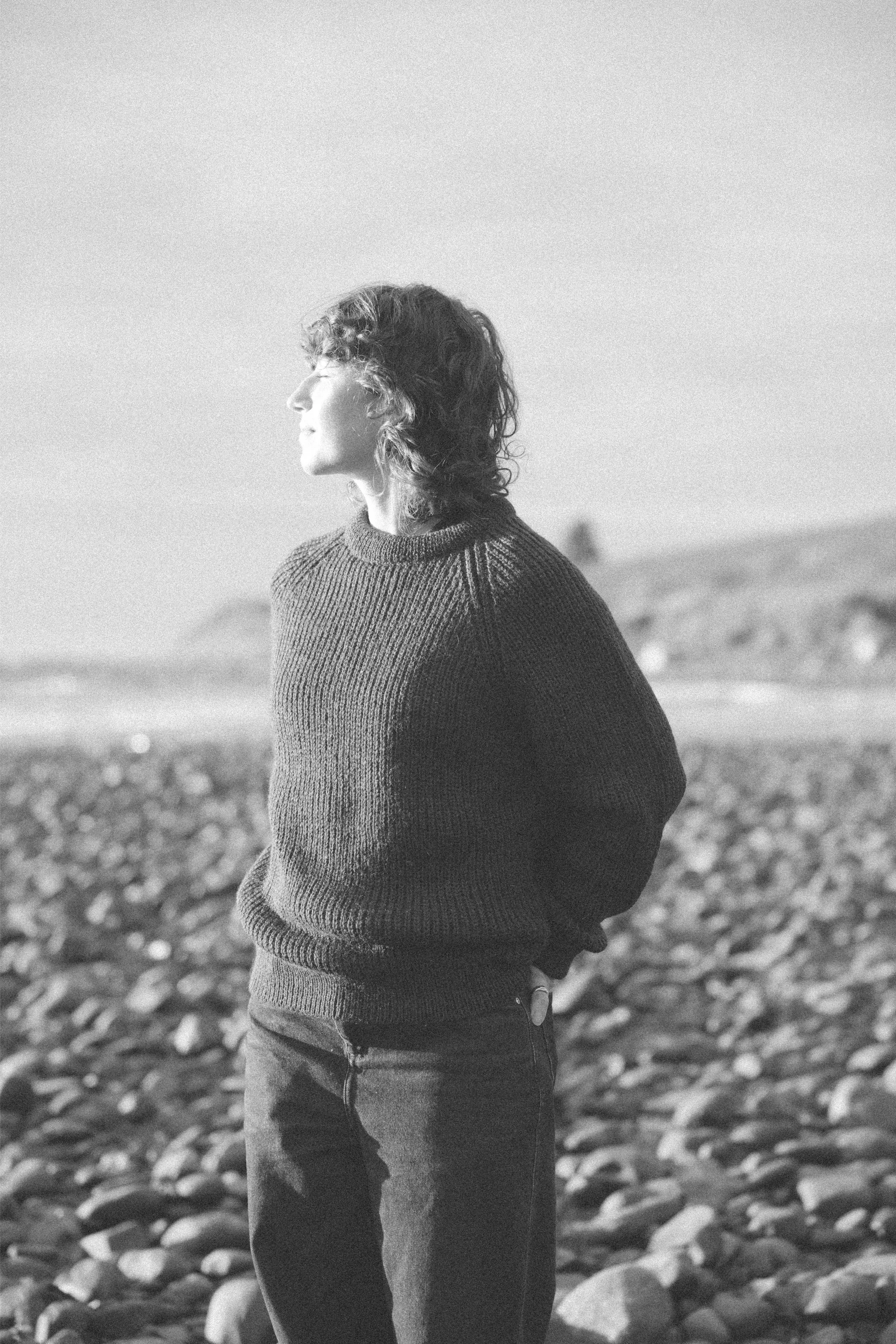
Léonie’s time at The Parcelles was marked not by a single finished outcome, but by a gentle deepening of attention—to colour, to rhythm, to the quiet details of the landscape. Between drawing sessions, experiments with papier-mâché, and long walks along the shoreline, her residency became a space for listening as much as making.
In many ways, her reflections remind us that artistic practice does not always move in straight lines. It meanders, gathers influences, and grows slowly—like the rhythms of the land she observes so closely.
Sometimes, what matters most is simply giving ideas the time and silence they need to emerge.
Follow Léonie Lévesque / @lehonye
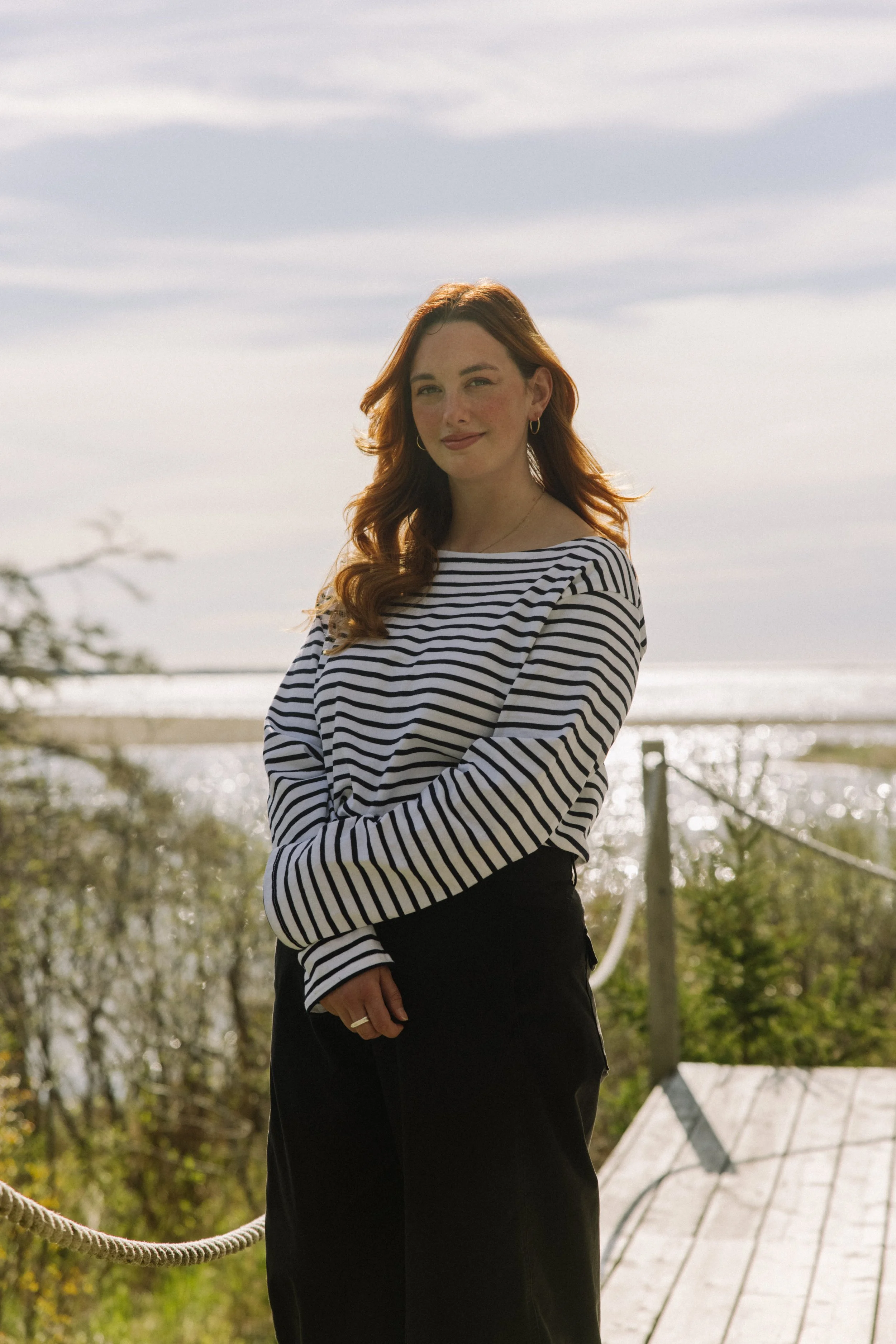
Portraits by Catherine Bernier / @cath.be
Canadian Wool Sweater by Milo & Dexter / @miloanddexter