Rose Côté
Interview by Catherine Bernier
Photography by Youssef Berrouard
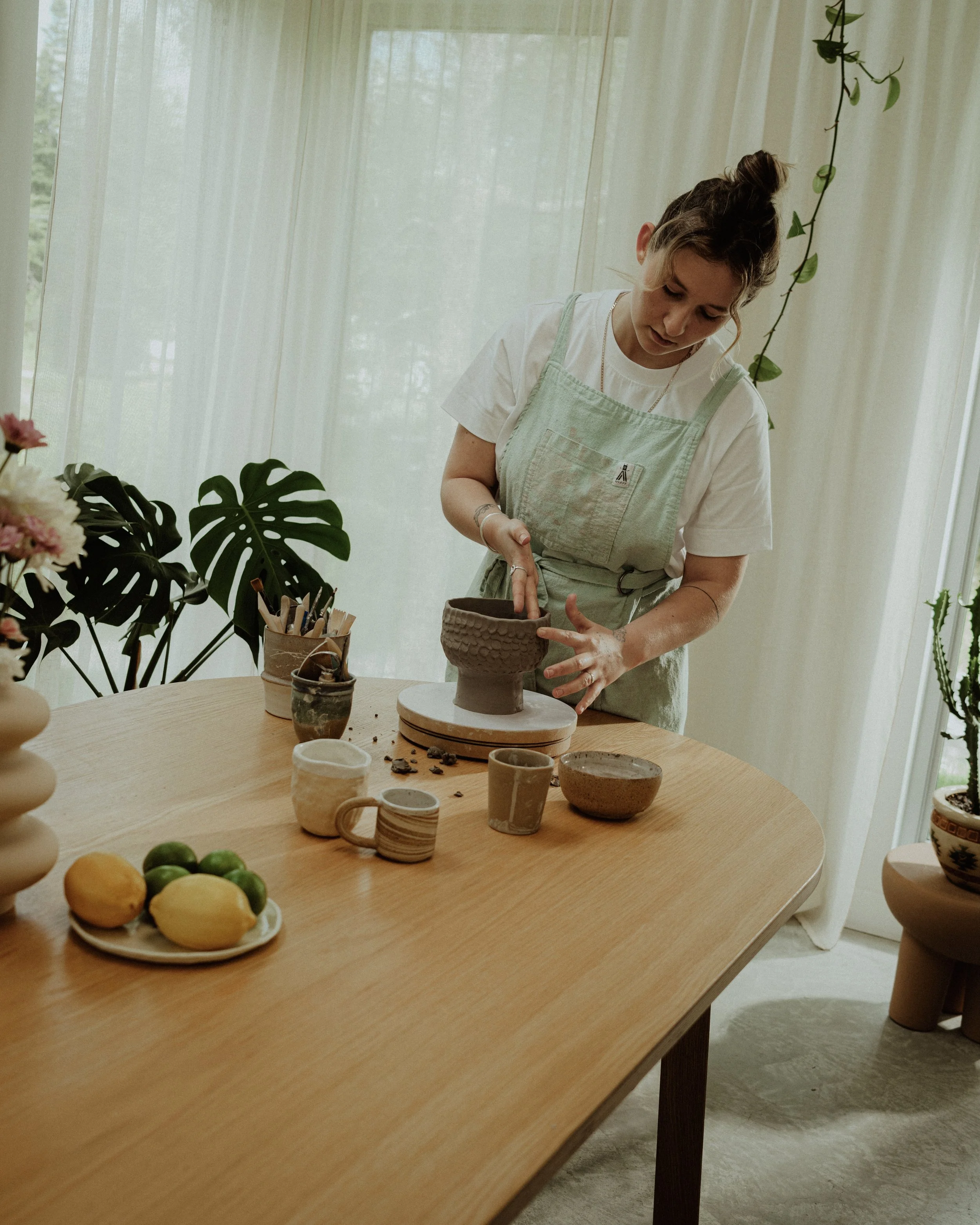
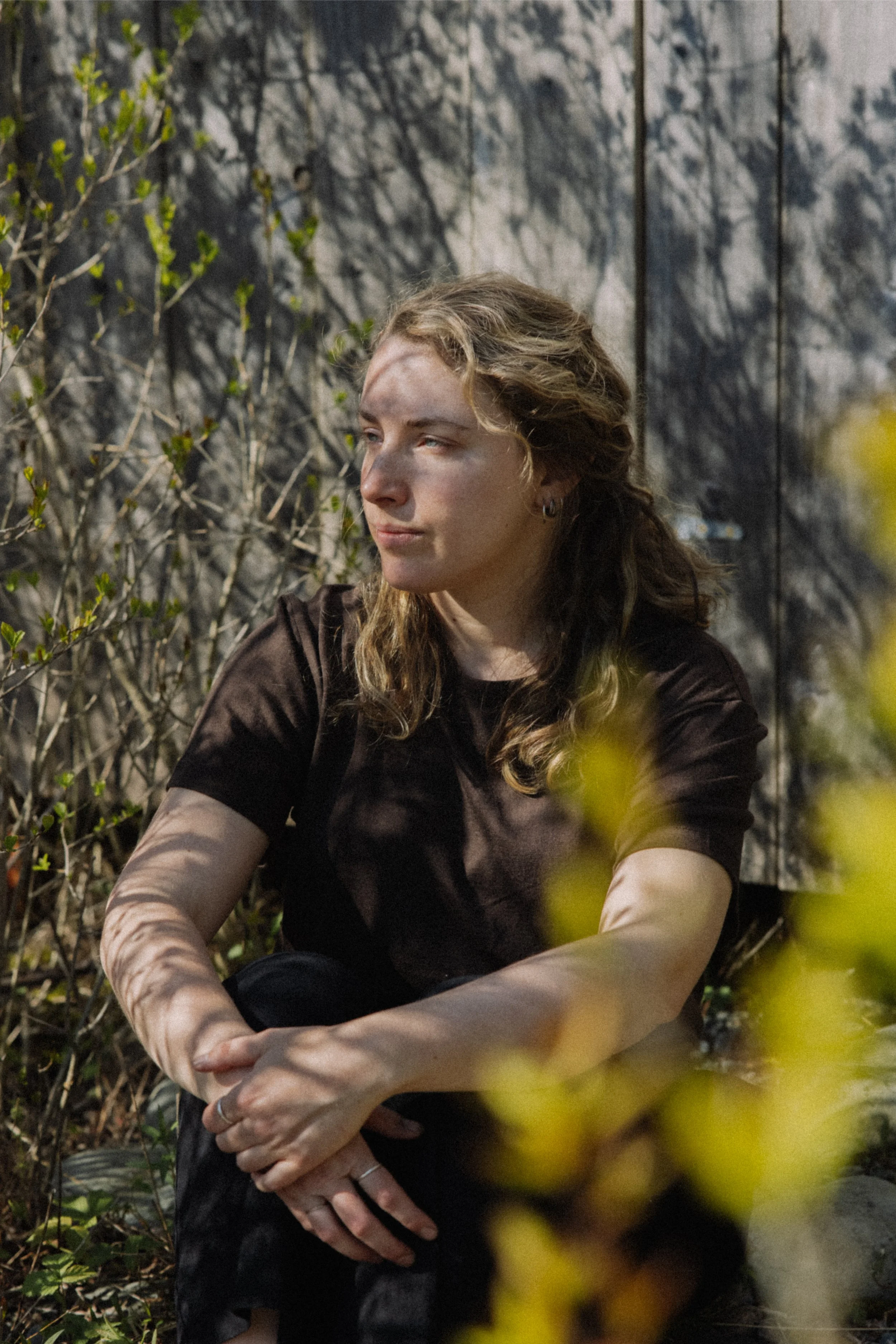
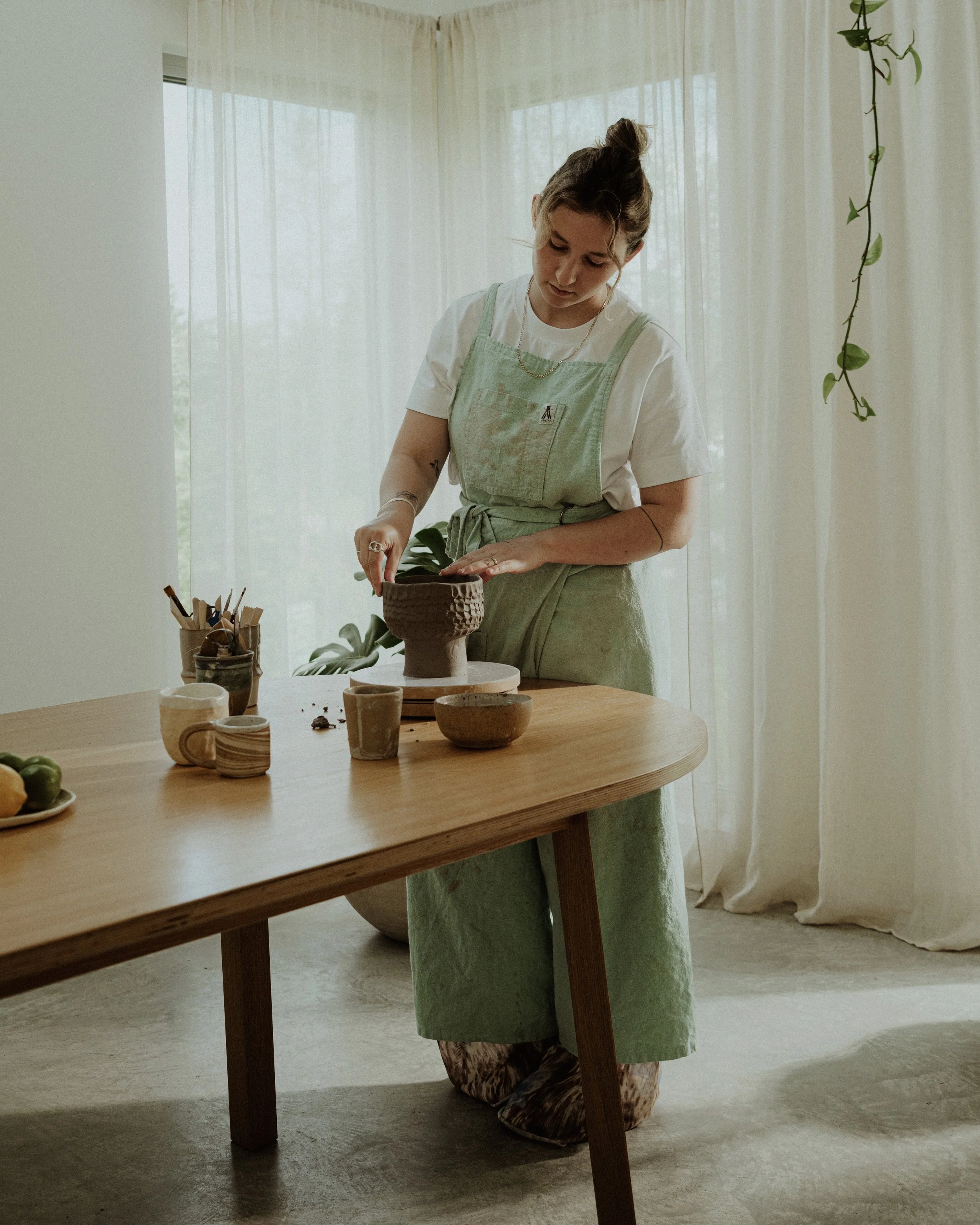
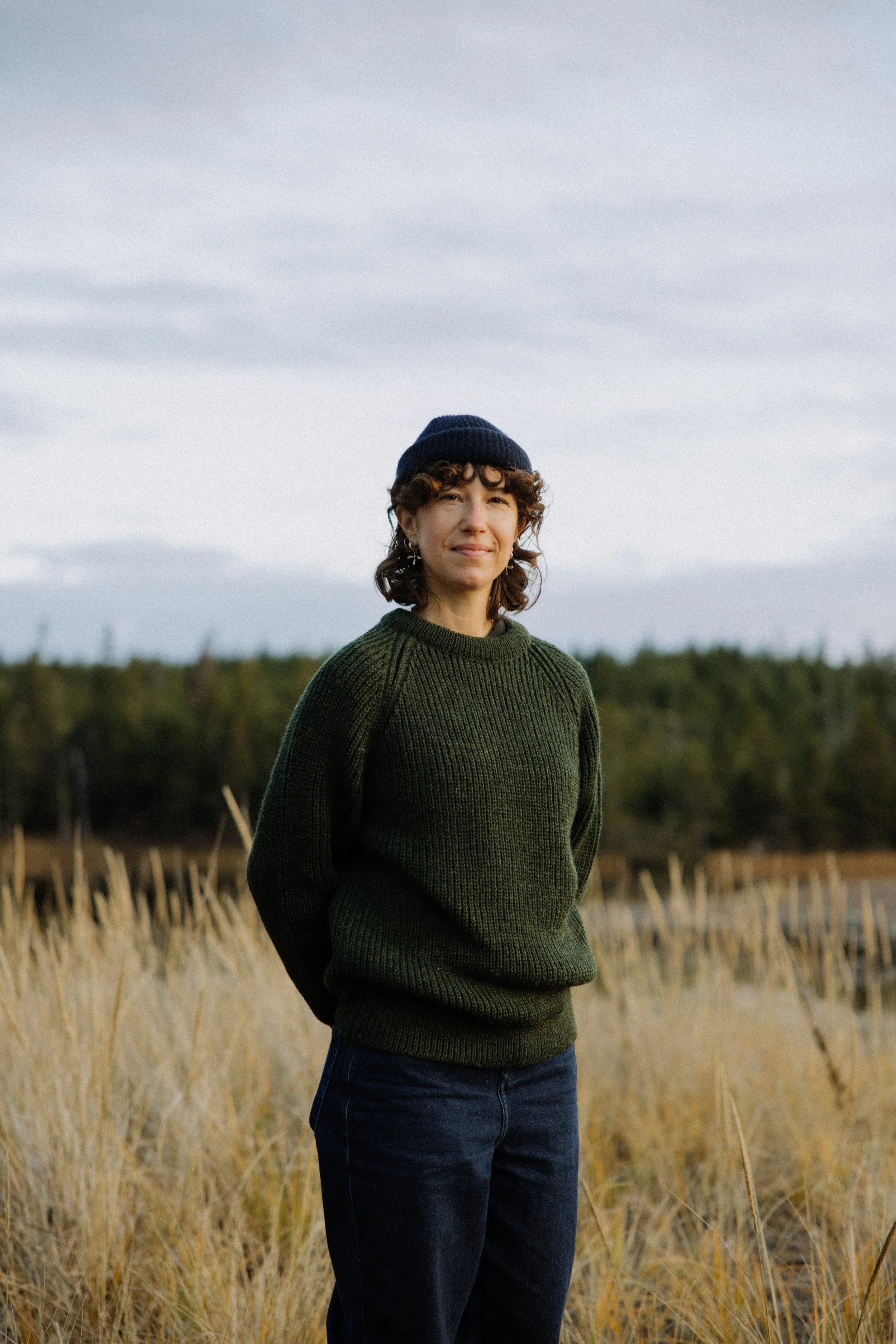
During her residency at The Parcelles in Lac-Beauport, ceramic artist Rose Côté arrived with a practice grounded in working with her hands and staying close to the material.
Through her studio Bouette, she shapes clay into functional pieces that accompany everyday rituals — objects meant to be used, held, and lived with. Her approach embraces texture, irregularity, and a direct connection to nature, keeping the process simple and intentional.
Her time here became an opportunity to slow down, focus on one piece at a time, and document her work, something that’s often hard to do in the rhythm of her daily practice. In this conversation, she shares how this shift influenced the way she creates and reflects on her work.
Tell us about your studio: Bouette.
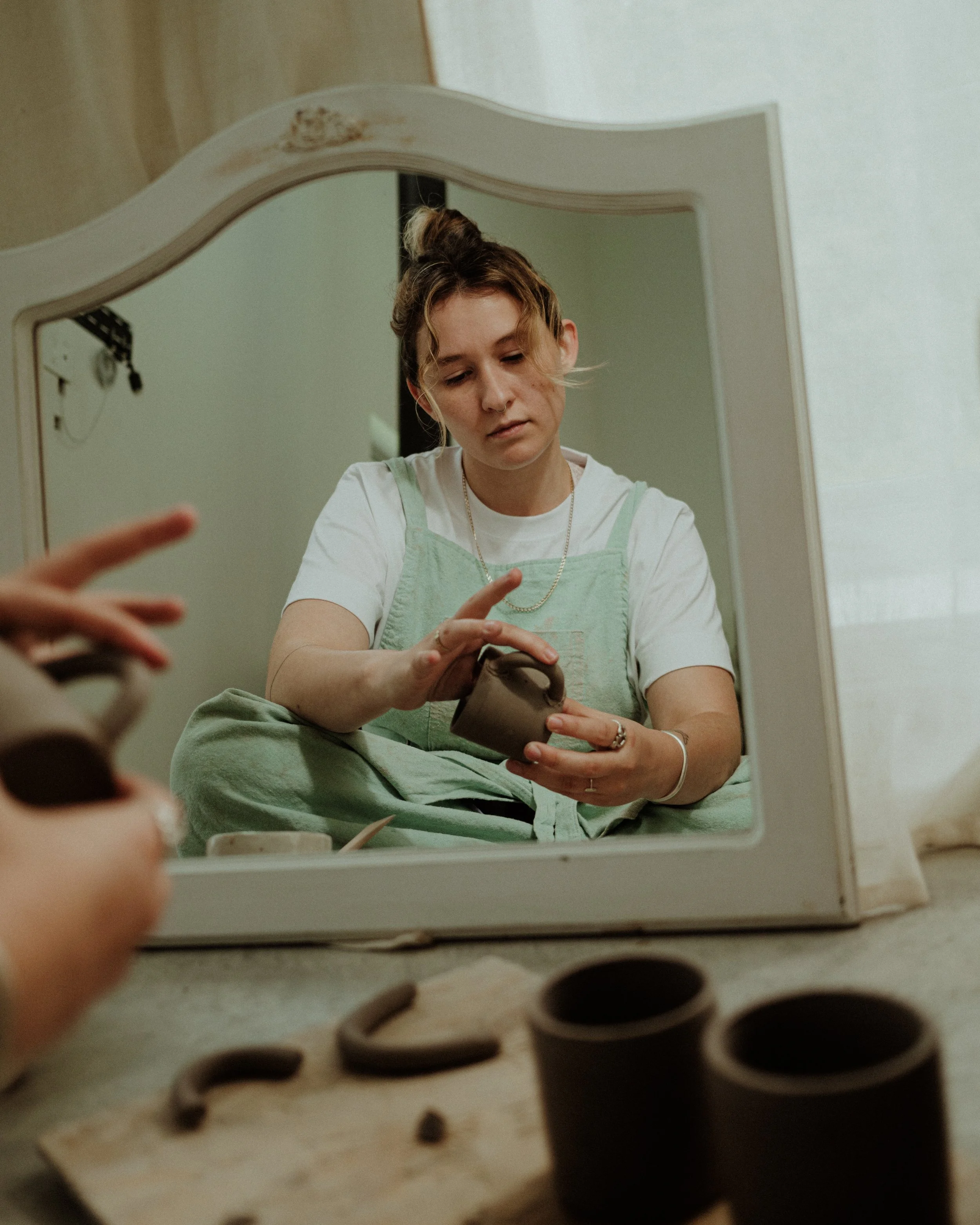
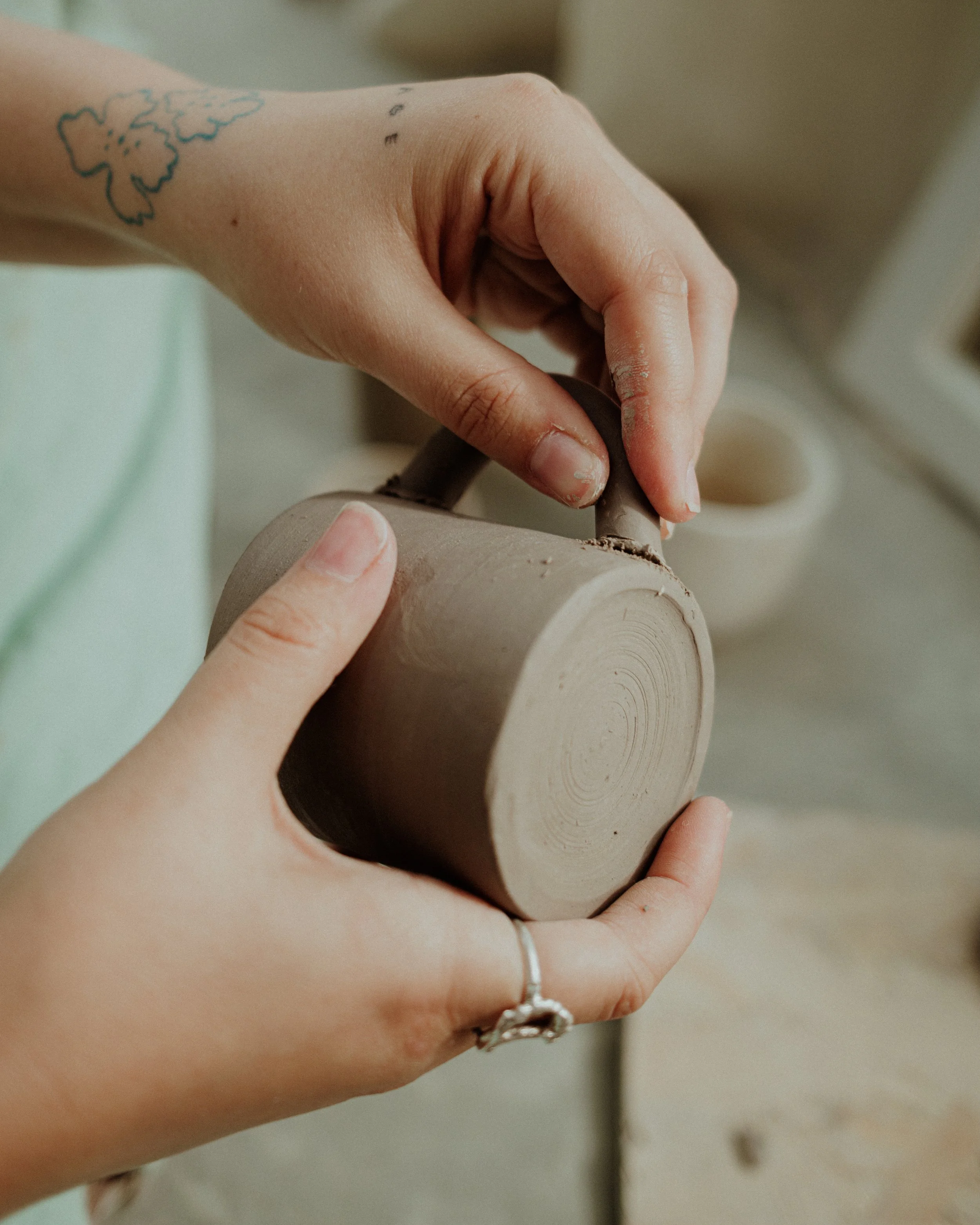
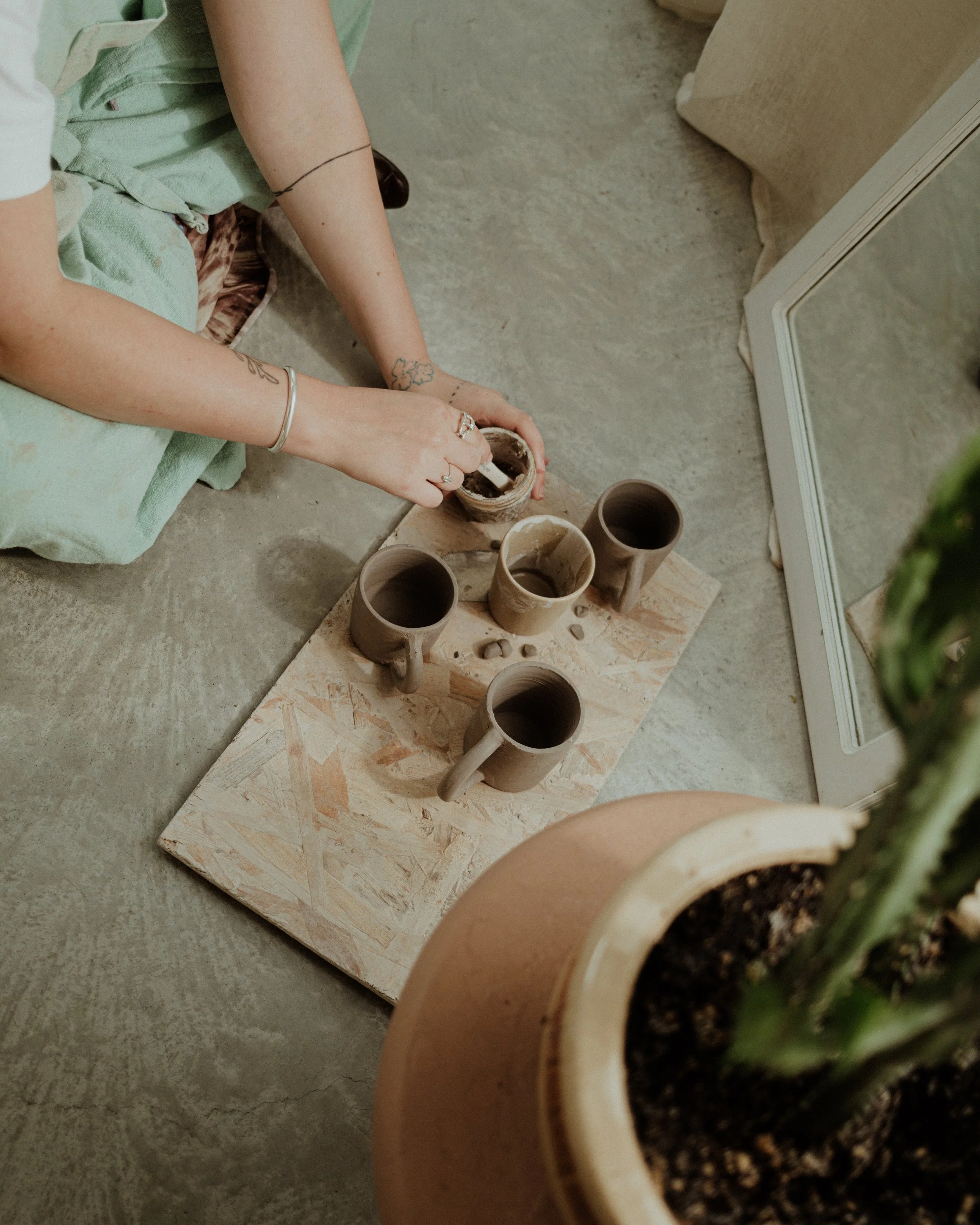
Bouette is a ceramic studio based in Québec, where clay becomes a playground between nature, raw art, and a playful spirit.
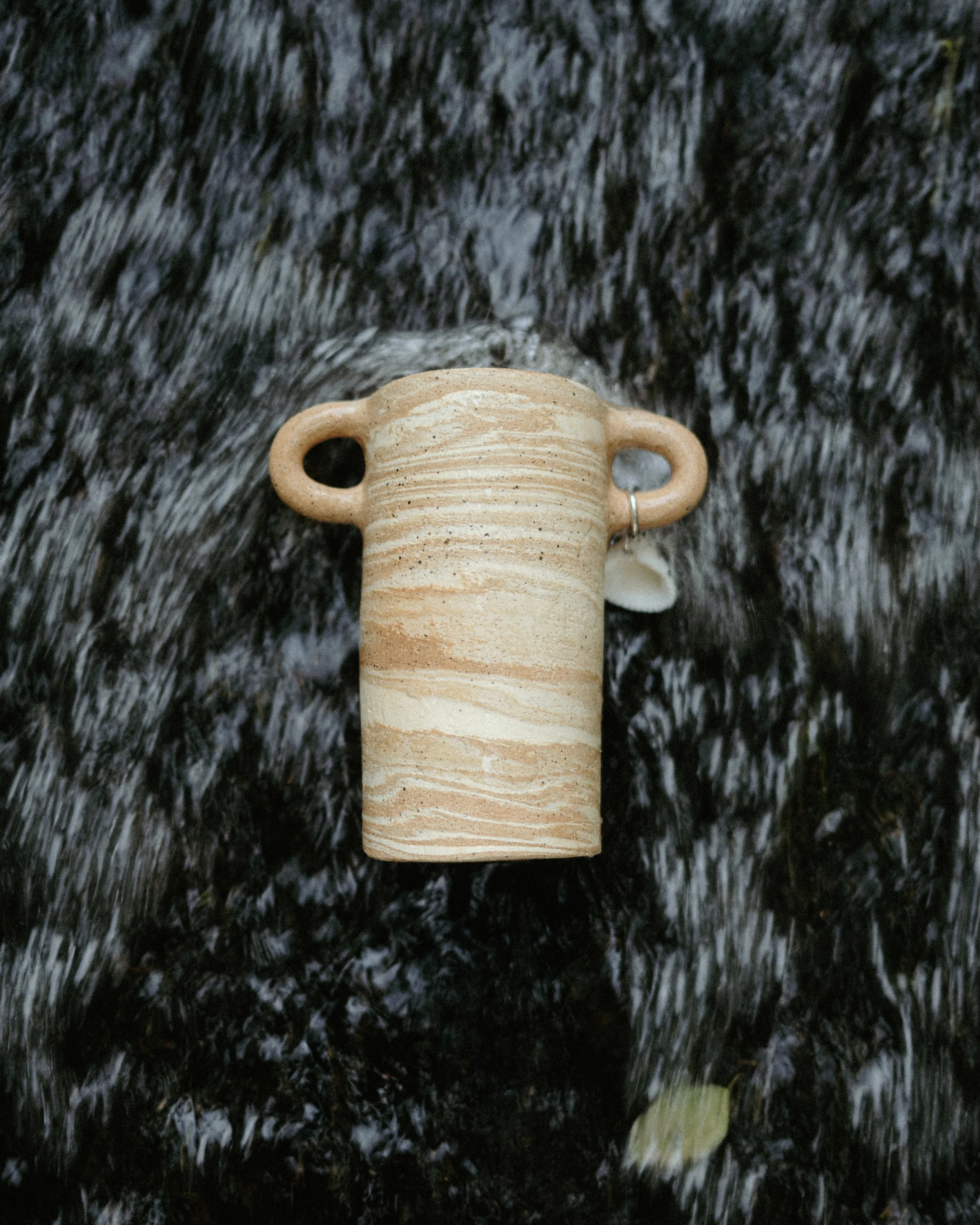
Each piece is shaped by hand and designed to romanticize everyday rituals.
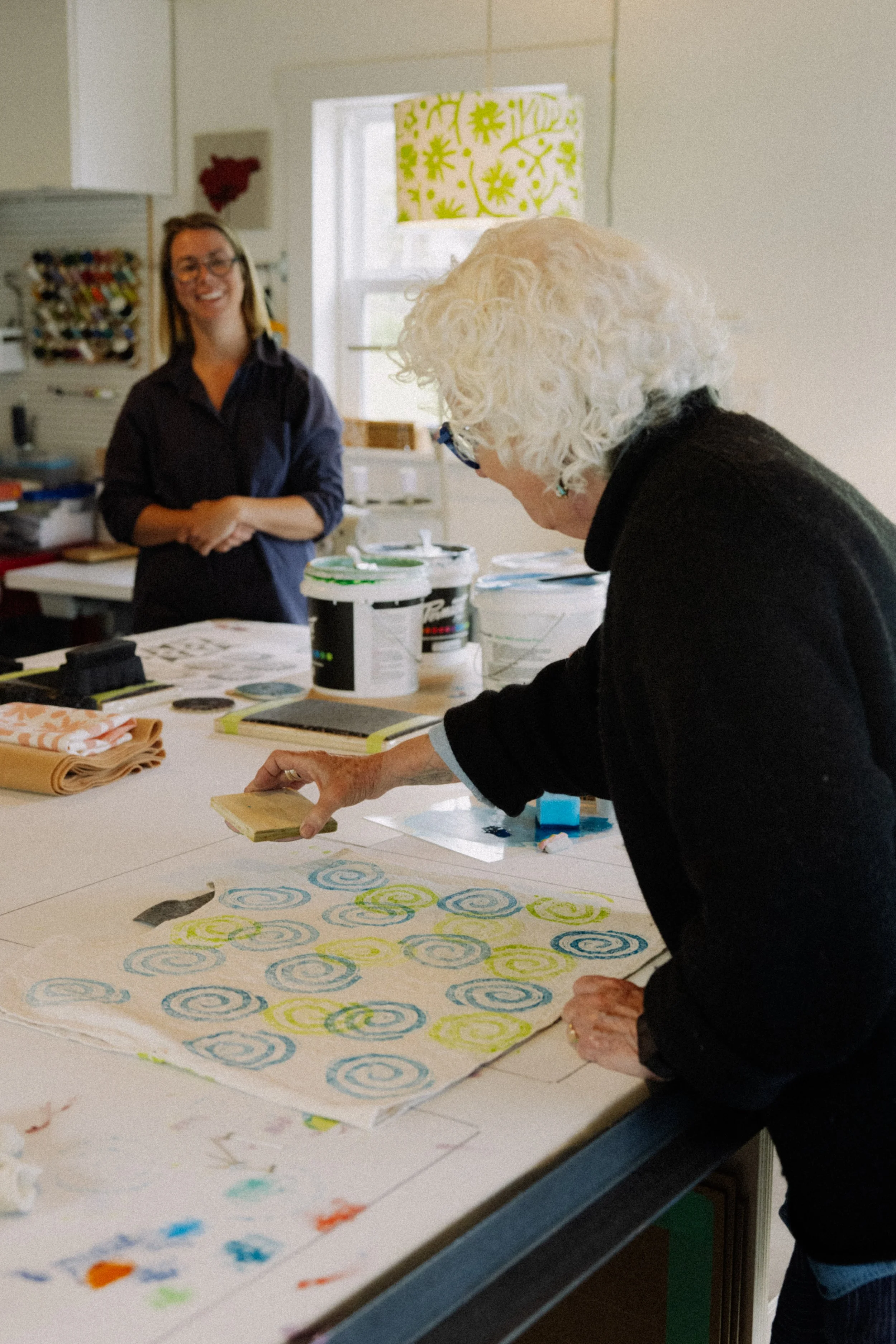
More than a studio, Bouette is a creative community that celebrates traditional crafts, the sharing of knowledge, and collective creation through workshops, events, and collaborations.
How does your cultural background or personal story shape your practice?
I grew up with my Indigenous grandparents by a river, running barefoot through the grass, gathering little stones and catching frogs. Those moments shaped my first connection to creativity: playful, tactile, and free.
As I grew older, I drifted away from that instinct, and it took a period of creative burnout to bring me back to making from scratch. Today, I try to keep my practice simple, grounded, and close to the natural world, embracing imperfections, bumps, and textures that give each piece its own quiet life.
My work is a way of returning to that childhood joy, where creation is intimate, immediate, and deeply human.
What were your intentions for the residency and how did it unfold?
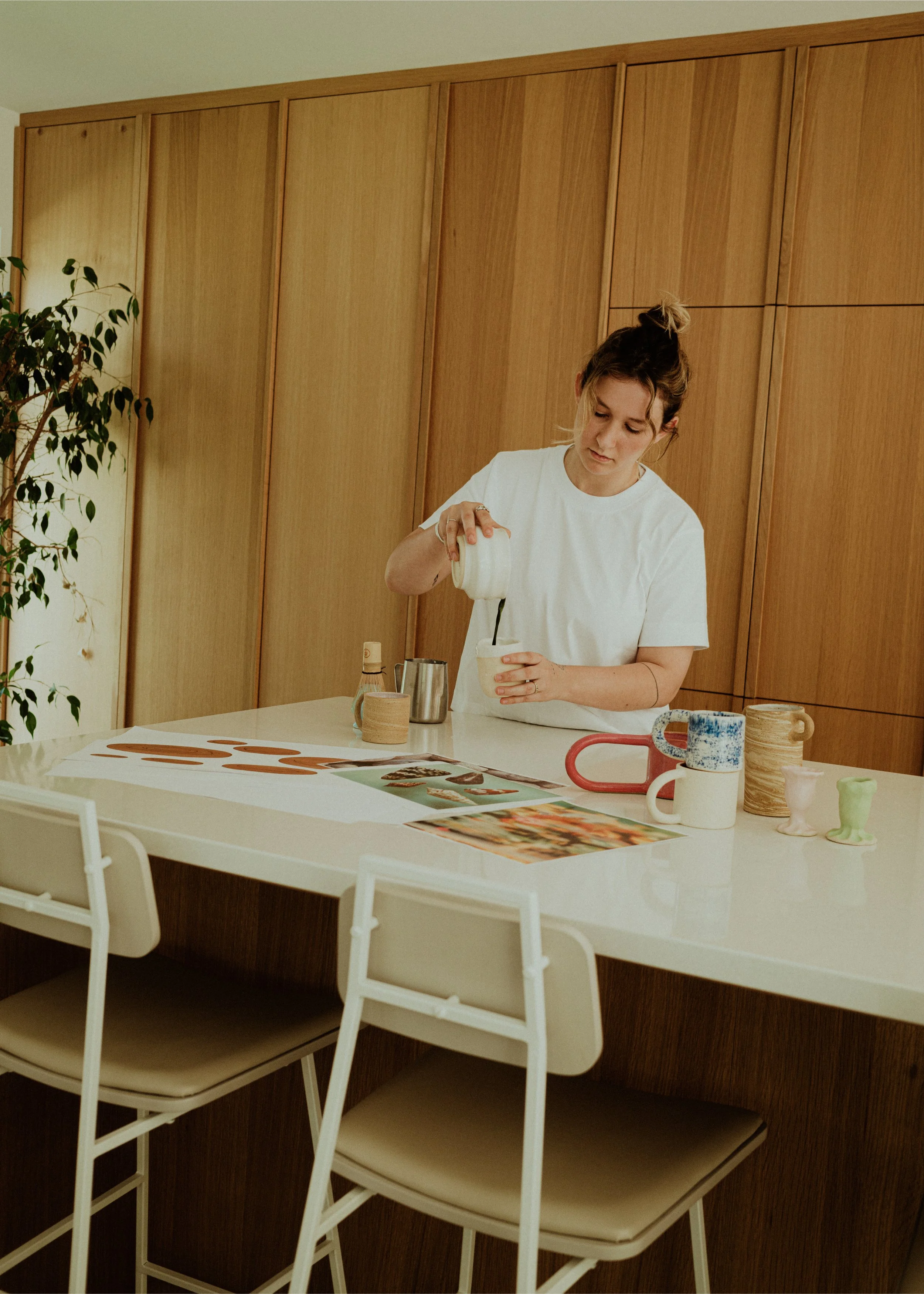
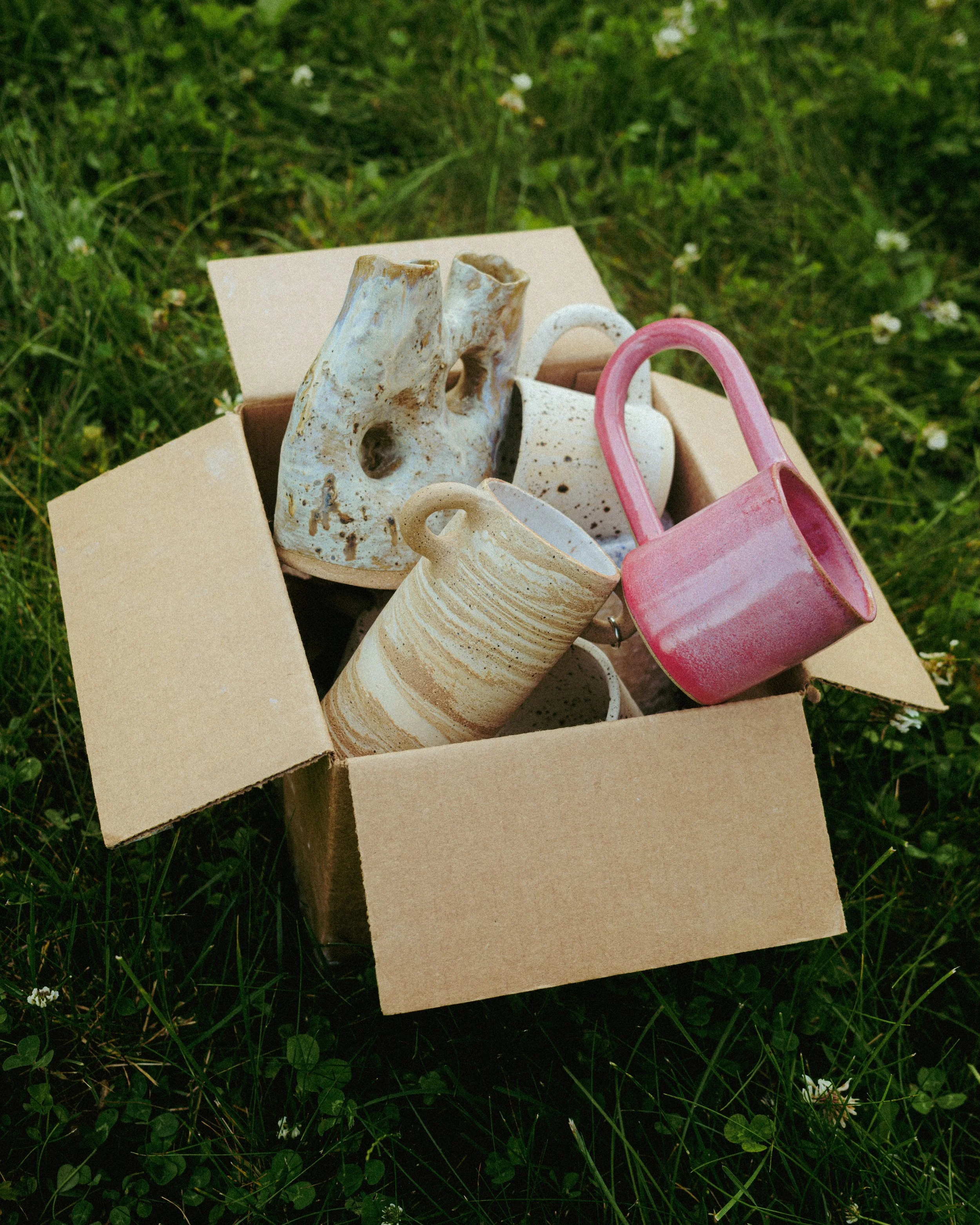
When I first booked the residency, my intention was to take time to document my work. In my daily life, pieces often leave the studio quickly — sold or gifted before I can really pause and capture them. I wanted to create a moment to honour my practice and the objects I make.
Being in a place so aligned with my work made that process very meaningful. The natural surroundings echoed the spirit of my practice and helped me slow down. Through filming and sharing my process, I tried to transmit a sense of calm and presence — a reflection of what making with clay brings me.
Can you describe a typical day during your residency?
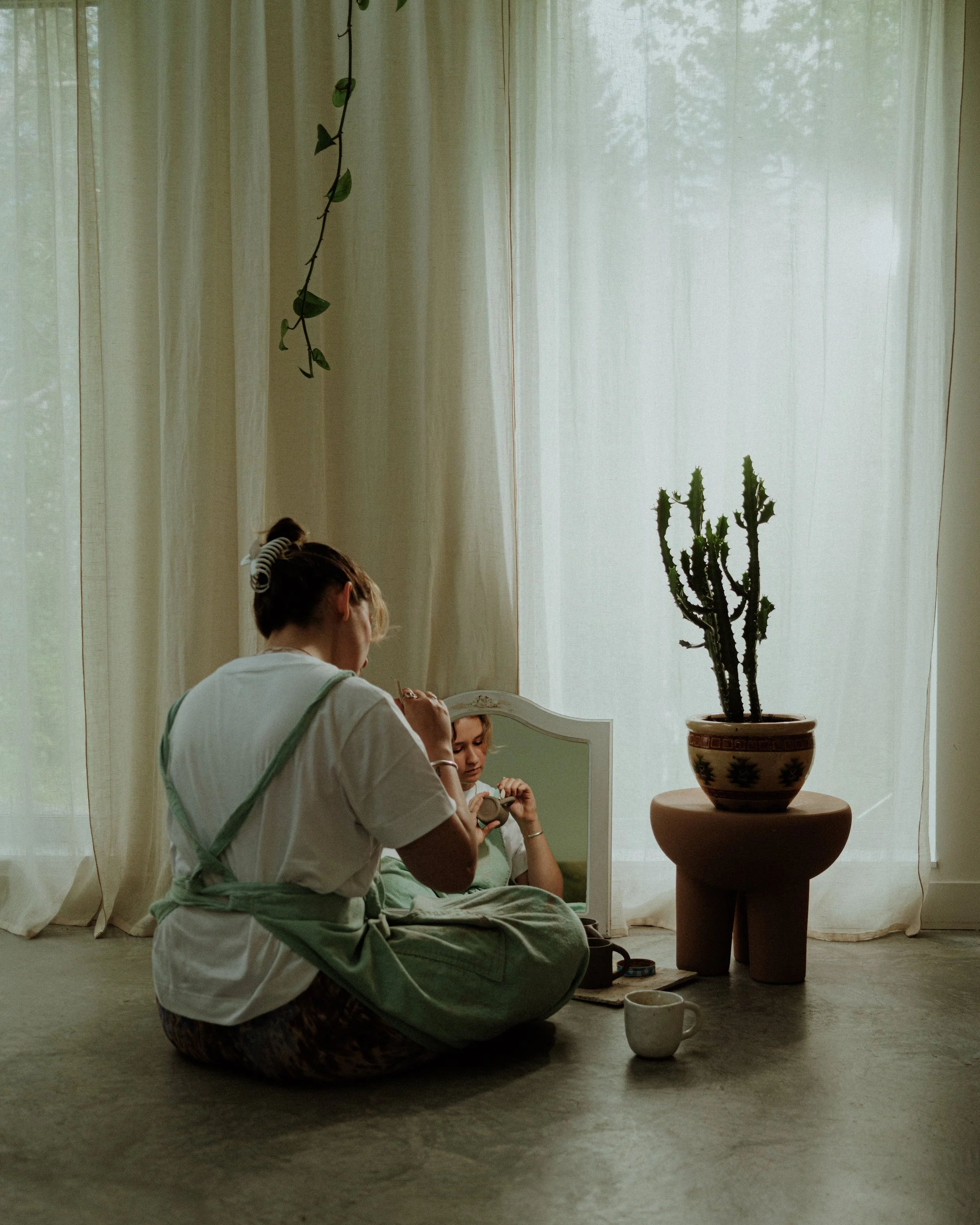
My days followed a very simple rhythm. In the morning, I would sit by the largest window in the house and sketch the piece I wanted to make that day. I wasn’t trying to produce a lot, but rather to create one piece that felt meaningful.
After sketching, I would spend the day working slowly and attentively in the studio. Around lunchtime, a dip in the lake became a non-negotiable ritual — a moment to reset and reconnect with the landscape.
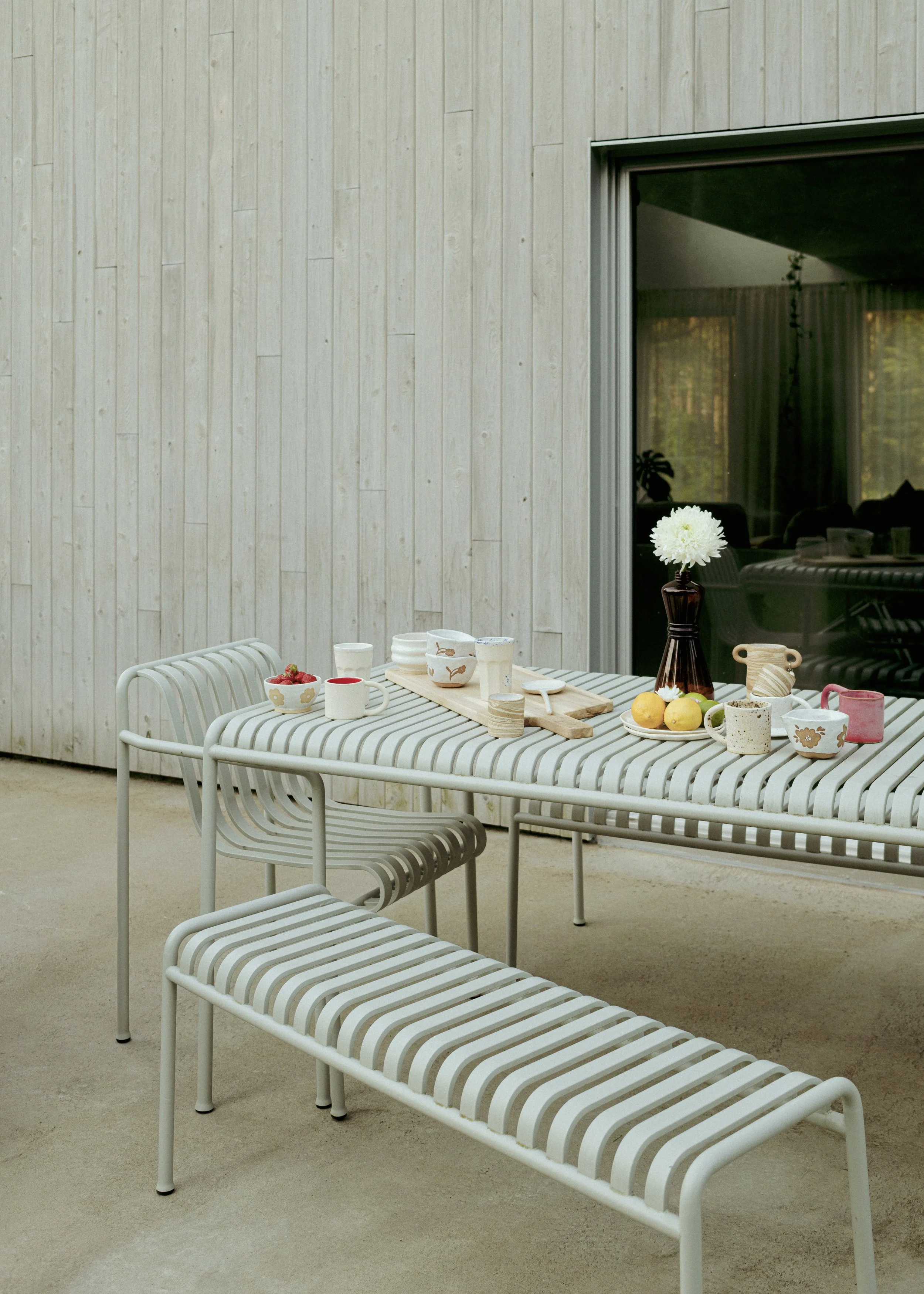
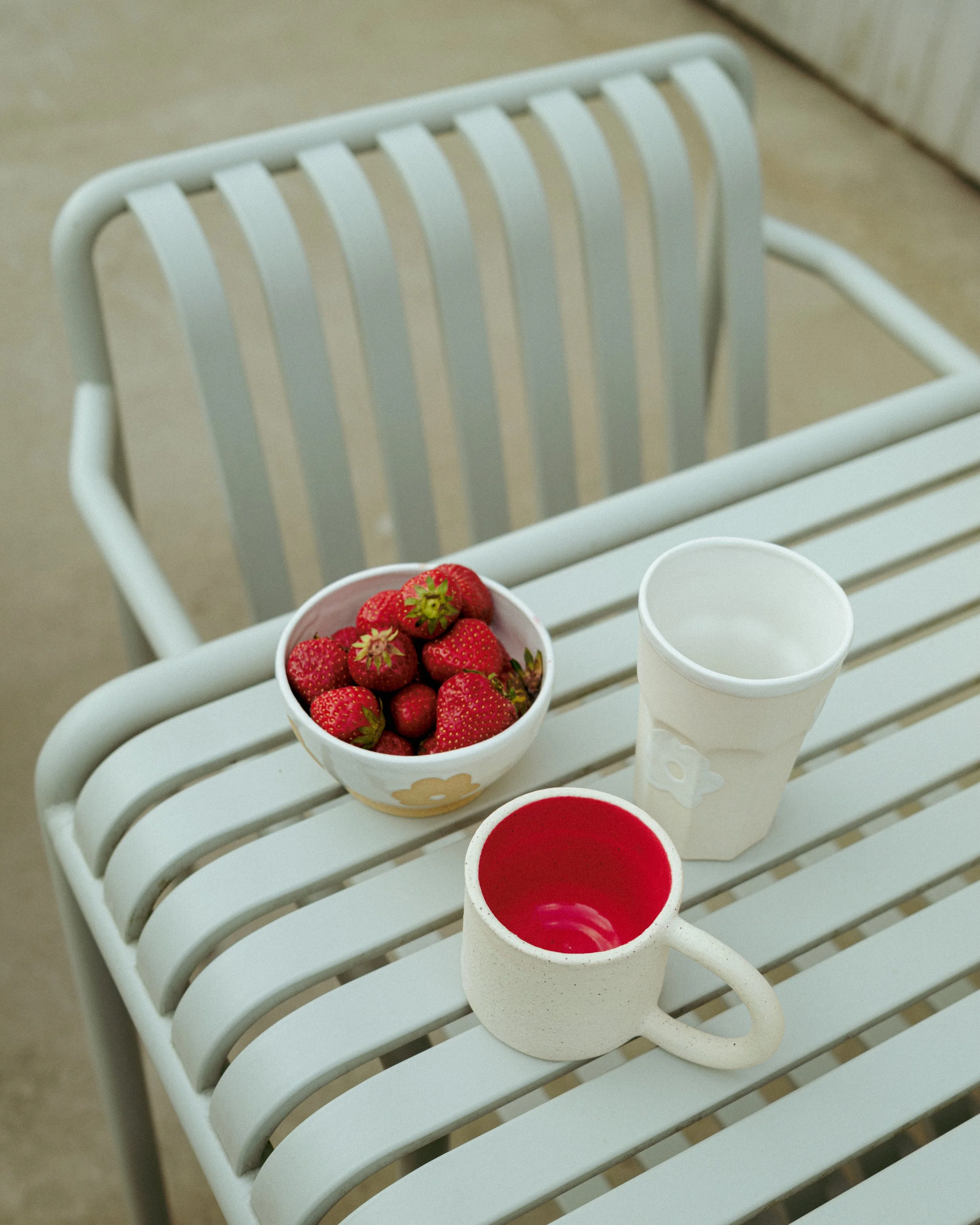
In the evening, I would cook and end the day with a good meal served in my own tableware. It felt like a quiet way of closing the circle between making, living, and using what I create.
How has the landscape or atmosphere of the surrounding influenced your creative process?
The landscape had a very calming presence. Being surrounded by water, open views, and quiet rhythms made it easier to slow down and be fully present.
Without the usual noise and urgency of everyday life, I found myself approaching my process with more patience and intention. The stillness encouraged me to simplify, to focus on one piece at a time, and to trust slower gestures.
It reminded me that my practice doesn’t need to be rushed or overly controlled.
Is there a medium or technique you experimented with that you hadn’t tried before?
Rather than a new material or technique, the real experimentation was in my mindset.
In my everyday practice, it’s easy to think in terms of production — how many pieces are made, how quickly they move. Here, I intentionally let go of those expectations.
Instead, I focused entirely on the creative gesture itself: slowing down, making fewer pieces, and giving full attention to each object. It felt like returning to the core reason I started working with clay — the simple joy of shaping something with my hands, without pressure.
“Beyond the individual experience, residencies nurture a wider ecosystem — one where ideas, practices, and perspectives can grow and circulate. They remind us that creativity needs care, space, and community to truly thrive.”
-Rose
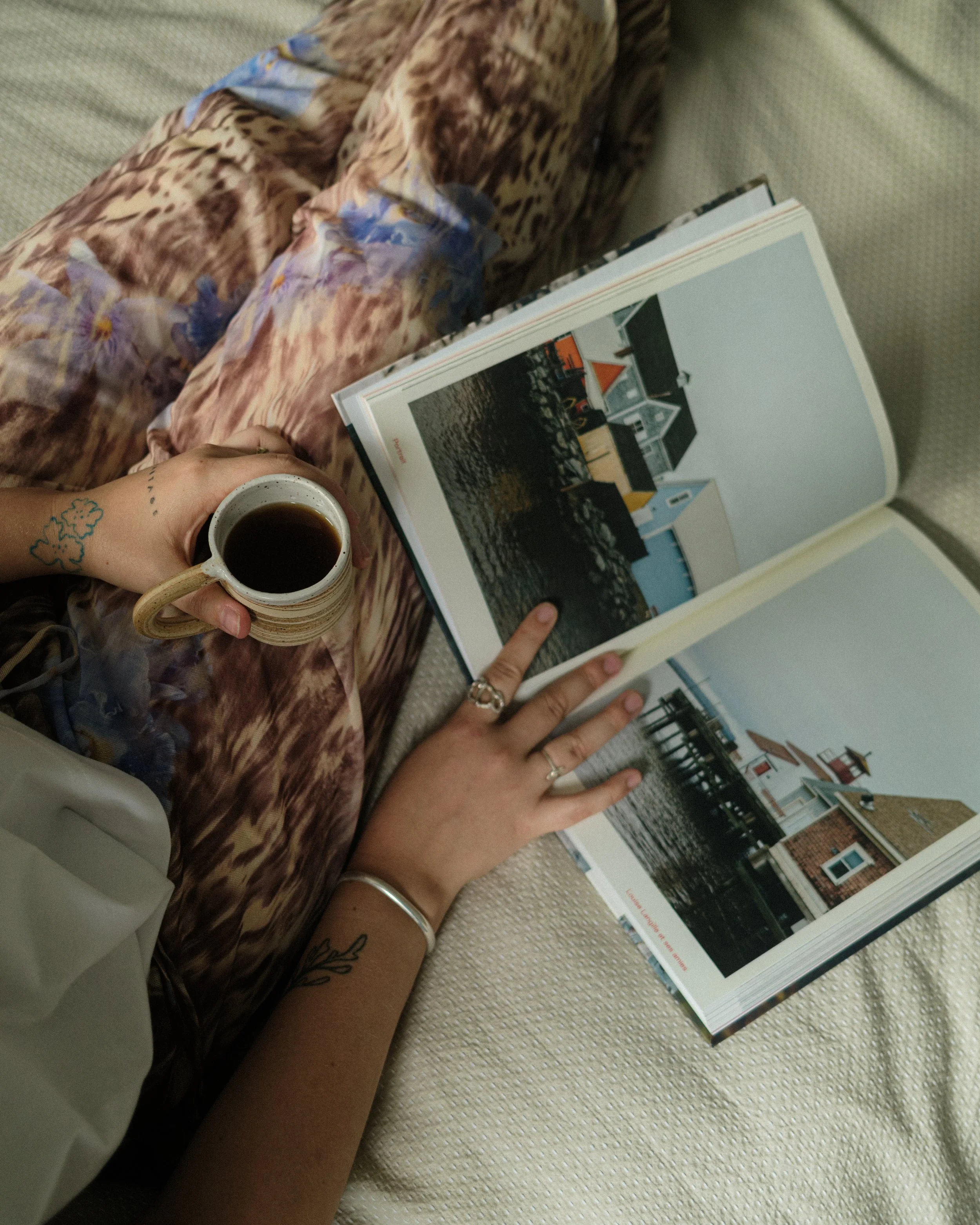
What has challenged you most during this residency?
The stillness. Being away from the city and its constant movement took some adjustment. At first, my mind was still moving at its usual pace.
Gradually, I let that energy settle. I allowed the calm of the place to take over. That transition was challenging at first, but it became one of the most meaningful parts of the residency.
How do you see art as a bridge between people, cultures, or generations?
I believe art can bring people together through shared gestures and knowledge.
In a time where so much happens through screens, returning to manual and traditional practices feels like reconnecting with something deeply rooted in human history.
Clay carries centuries of knowledge and traditions passed down through generations. Through my practice, I try to keep that lineage alive and accessible.
Bouette is not only about my own work — it is about creating a space where people can learn, share, and reconnect with making things by hand. My hope is that what begins here continues to travel into families, communities, and across generations.
Has this residency shifted something in the way you see your own practice or future projects?
It gave me the space to pause and reflect on where I want my practice to go. I rarely take time to step back from projects and collaborations to ask myself what I truly want to focus on.
Being here allowed me to realign. I was able to write things down, clarify my intentions, and reconnect with what feels most meaningful.
It felt like an important moment of grounding.
What’s a small, personal memory from your time here that you’ll bring back home with you?
One small moment I’ll always remember is sketching by the large window. The light, the quiet, and the openness of the space created a deep sense of peace.
What stayed with me most was the feeling of having space — physically and mentally. In the city, my studio is small and full. Here, I had fewer things around me, but so much more room to think, observe, and imagine.
That simplicity felt incredibly freeing.
What role do you think residencies like The Parcelles play in supporting artists today?
They create environments where experimentation, reflection, and slower rhythms are not only possible, but natural.
That kind of space is incredibly valuable, especially in a moment where many artists are balancing creative work with economic realities.
Beyond the individual experience, residencies also nurture a wider ecosystem — one where ideas, practices, and perspectives can grow and circulate. They remind us that creativity needs care, space, and community to truly thrive.
What Rose carries forward from her time at The Parcelles is simple and grounded: making less, but with more attention. Creating one piece at a time, without rushing, and staying close to the feeling that first brought her to clay.
This residency gave her the space to pause, to think clearly about what matters next, and to reconnect with a way of working that feels honest and sustainable. Something she intends to bring back into her daily practice — even once the pace of the city returns.
Follow Bouette Studio / @bouette.studio
Portraits by Youssef Berrouard / @youssefberrouard